SAME DAY DELIVERY ORDER BY 1PM – 30% off code: FLORISTRY30

Flowers

inspired

by the

Wild.

Category: Journal

  • Perspectives in Floristry: A Global Exploration

    Floristry, the artful arrangement of flowers, transcends mere decoration and holds unique significance within cultures around the world. The diverse perspectives that different countries bring to this timeless artform — intricacies and customs that shape the vibrant world of floristry on a global scale.

    Japan: Ikebana, the Harmony of Nature

    In Japan, Ikebana reigns as the dominant floral artform. Rooted in Buddhist tradition, Ikebana is centered around the belief that every flower holds a spiritual essence. The delicate arrangement emphasizes asymmetry and minimalism, seeking to capture the harmony between humanity and nature. The choice of flowers, branches, and even the specific angles at which they are arranged showcase the careful consideration given to each element.

    Netherlands: Tulips, Exuberance, and Trade

    The Netherlands, renowned for its tulip fields, has a rich history and strong connection to the floristry industry. Dutch florists pride themselves on their technical expertise and eye-catching designs. With florist auctions as a focal point of the local industry, Dutch florists are at the forefront of innovation and experimentation. Their vibrant arrangements symbolize exuberance and celebrate the country’s long-standing tradition of cultivating tulips.

    Thailand: Flowers as a Sacred Offering

    In Thailand, floristry takes on a deeply spiritual and ceremonial significance. The artform is intricately woven into religious rituals and cultural traditions. From the famous jasmine garlands adorning Buddha statues to the elaborate flower arrangements created for sacred ceremonies, flowers serve as offerings to deities and are believed to bring immense luck and prosperity. Thai florists approach their craft with reverence and meticulous attention to detail.

    United States: Floral Expressions of Individuality

    Within the United States, floristry embraces the cultural diversity and creative expression of its vast population. Here, arrangements often reflect personal styles and preferences, ranging from traditional to avant-garde. American florists experiment with unconventional materials, unique color combinations, and innovative designs. With a blend of multicultural influences, the American approach to floristry reflects individuality and a desire to make a bold statement.

    India: Symbolism and Fragrance

    Floristry in India is deeply rooted in symbolism, spirituality, and the rich tapestry of Hindu mythology. Flowers are integral to religious ceremonies, festivals, and everyday life. From marigolds to lotus blossoms, each type of flower carries profound meaning. While vibrant colors and intricate designs are common, it is the fragrance of the flowers that holds paramount importance. Indian florists strive to evoke emotions, harnessing the power of scent to create an immersive experience.

  • The Most Bold Modern Approaches to Floristry Today

    Floristry has evolved over the years, pushing the boundaries of imagination and creativity. While traditional flower arrangements continue to charm us with their timeless beauty, modern approaches to floristry have taken center stage, captivating audiences with their bold and unconventional designs.

    1. Minimalism with Impact

    One of the boldest modern approaches emerging in floristry is minimalism with an edge. Stripping away unnecessary frills and embracing simplicity, this approach celebrates negative space and delicately showcases the beauty of each individual flower. Bouquets composed of just a few striking blossoms against a backdrop of crisp white or monochromatic themes make a powerful statement. This artistic freedom in downsizing allows the flowers themselves to take center stage, creating a visual impact that is both refreshing and timeless.

    2. Unexpected Color Palettes

    Traditional floral arrangements tend to adhere to harmonious and expected color schemes. However, today’s bold florists are embracing unexpected color combinations, challenging the norm and creating eye-catching designs. Vibrant blooms in contrasting hues, such as deep purples paired with fiery oranges or soft pinks with electric blues, inject excitement and intrigue into floral compositions. These unconventional color palettes not only captivate the eye but also evoke emotions and create a unique visual experience.

    3. Unconventional Materials

    Gone are the days when flowers were solely arranged in vases or baskets. Modern floristry has adopted a more experimental approach by incorporating unconventional materials into their designs. From natural elements like branches, seashells, and stones to unexpected man-made objects like mirrors, wire, and even recycled materials, these unusual additions bring texture, depth, and an element of surprise to floral arrangements. Combining nature’s beauty with the unexpected creates an art form that is thought-provoking and captivating.

    4. Sculptural Designs

    Inspired by the world of art and sculpture, florists are now transforming flowers into three-dimensional works of art. These sculptural designs push the boundaries of traditional arrangement techniques, resulting in visually striking and dramatic creations. By manipulating flowers through bending, twisting, and intertwining, artists can create unique and abstract forms that challenge our perception of what a floral arrangement can look like.

    5. Eco-Friendly Floristry

    In today’s society, sustainability and eco-consciousness have become increasingly important. Florists are embracing environmentally friendly practices by sourcing locally grown and seasonal flowers, reducing the environmental impact of transportation and cultivation. Furthermore, the use of biodegradable materials, such as recycled paper or compostable containers, is becoming more prevalent in modern floral designs. This approach not only promotes conscious consumerism but also adds a touch of earthiness and natural beauty to the arrangements.

    Modern floristry is a world of creativity and innovation that defies traditional norms. The most bold and daring approaches to floristry today encompass minimalism with impact, unexpected color palettes, unconventional materials, sculptural designs, and a commitment to eco-friendliness. These forward-thinking trends challenge our perceptions of floral design and bring a fresh and exciting perspective to the art form. So whether you’re planning a special event, looking for a unique gift, or simply in search of inspiration, keep an eye out for these bold modern approaches to floristry that are sure to wow and delight.

  • How we’re the florist that brought modern floristry to Hong Kong flower lovers

    Flowers have been an essential part of human culture for centuries, symbolizing love, beauty, and celebration. In recent years, there has been a resurgence of interest in wild-inspired flower arrangements, bringing a touch of nature’s untamed beauty into our homes. In this article, we will explore how famous florists from all over the world have been inspired by mother nature, using her creations as a source of inspiration for their remarkable floral designs. We will delve into the techniques, styles, and materials used in contemporary floristry and discuss how this trend has influenced our appreciation for the natural world.

    Translating Nature into Floral Art

    Mother nature has always been a muse for artists, and florists are no exception. Prominent florists across the globe have found ways to incorporate the wild beauty of the outdoors into their arrangements. These floral artists not only replicate the colors, shapes, and textures found in nature but also capture the essence and feeling of being immersed in the wilderness.

    One notable florist making waves in the world of wild-inspired floristry is Ariella Chezar from New York. Her floral arrangements use an array of unconventional materials, such as twigs, berries, vines, and wildflowers to create a sense of untamed wilderness. Chezar often designs arrangements that are deliberately asymmetrical, mimicking the organic and free-flowing shapes found in nature. Her work showcases the beauty of wildflowers and highlights the importance of preserving our natural habitats.

    Elsewhere, in Shizuoka, Japan, Sachiko Otani has gained recognition for her Ikebana arrangements inspired by nature. Ikebana is a traditional Japanese art form that focuses on minimalism and uses specific techniques to express the concepts of space and harmony. Otani’s creations incorporate the balance and tranquility of the wild, evoking a sense of peace and simplicity.

    Techniques and Styles in Modern Floristry

    Modern floristry encompasses various techniques and styles, with wild-inspired arrangements taking center stage. By embracing the charm of imperfection and asymmetry, florists are able to create designs that closely resemble natural landscapes. One approach often employed by modern florists is the use of the garden-gathered style. This style imitates the spontaneous and carefree nature of wildflowers, which are delicately arranged to appear as if they were freshly picked from a meadow.

    Another prominent technique is the use of negative space, where florists intentionally leave gaps within the arrangements to provide room for the individual flowers to shine. This technique draws inspiration from the vastness and openness of natural landscapes.

    In terms of styles, many florists have adopted a more naturalistic and freeform approach, straying away from traditional compact arrangements. The aim is to create movement and depth, mimicking natural ecosystems where flowers grow and intertwine in a seemingly effortless manner. These styles are a testament to the evolving relationship between florists and their environment, as they seek to honor the wildness and disorder inherent in nature.

    Materials in Modern Floristry

    In addition to using traditional flowers, contemporary florists have also embraced a wide range of materials sourced from nature to create wild-inspired arrangements. These materials include branches, leaves, mosses, and even berries. By incorporating elements beyond just flowers, florists can evoke the spirit of the wild and create arrangements that mimic natural habitats.

    Sustainability and Wild-Inspired Living

    Modern floristry’s focus on wild-inspired living extends beyond floral arrangements. It also encompasses a growing appreciation for the environment and sustainable practices. Many florists now aim to utilize locally sourced, seasonal flowers and materials, reducing the carbon footprint associated with transporting exotic blooms from far-flung locations. This commitment to sustainability fosters a deeper connection between humans and the natural world, encouraging us to value and protect our environments.

  • Exploring the Perfect Floristry Styles for Various Occasions

    Flowers are not only beautiful but also hold the ability to convey emotions, celebrate special moments, and add a touch of elegance to any setting. Floristry, the art of arranging flowers, offers a plethora of styles suitable for different occasions. Understanding these styles and their relevance to specific events can help you bring the perfect floral touch to any celebration.

    Classic and Traditional Floral Arrangements:

    Classic and traditional floral arrangements are timeless and elegant, evoking a sense of sophistication and tradition. They often include roses, lilies, orchids, and tulips, arranged symmetrically and using a mix of complementary colors. This style suits formal occasions, such as weddings, anniversaries, and black-tie events. It is recommended when you want to create a sophisticated and refined ambiance.

    Romantic and Soft Floral Arrangements:

    Romantic and soft floral arrangements are characterized by delicate and pastel-colored flowers, in Hong Kong like the rest of the world. They often include roses, peonies, hydrangeas, and baby’s breath. With a focus on graceful and gentle aesthetics, this style is ideal for occasions such as marriage proposals, date nights, and intimate celebrations. Romantic floral arrangements evoke feelings of love, tenderness, and femininity.

    Rustic and Natural Floral Arrangements:

    Rustic and natural floral arrangements embrace the beauty of nature and are often inspired by the countryside. This style incorporates wildflowers, sunflowers, daisies, and other blooms with a natural and unstructured design. It is perfect for farm weddings, outdoor parties, and casual gatherings. Rustic arrangements give a warm and welcoming atmosphere, representing simplicity and authenticity.

    Contemporary and Artistic Floral Arrangements:

    Contemporary and artistic floral arrangements break away from traditional styles and explore innovative concepts. They may include exotic flowers, unusual color combinations, and unique materials. This style suits modern events, gallery openings, and avant-garde parties. Contemporary arrangements showcase creativity, originality, and a sense of flair that captivates attention.

    Tropical and Exotic Floral Arrangements:

    Tropical and exotic floral arrangements are bursts of vibrant colors and exotic blooms such as orchids, ginger flowers, bird of paradise, and anthuriums. This style is perfect for beach weddings, tropical themed events, and vibrant celebrations where you want to create a lively and memorable atmosphere. Tropical arrangements bring a sense of adventure, energy, and vivacity to any occasion.

    Monochromatic and Minimalistic Floral Arrangements:

    Monochromatic and minimalistic floral arrangements focus on simplicity, using a single color or different shades of the same color for a contemporary and elegant look. This style features flowers such as calla lilies, orchids, and roses in a clean and streamlined design. Ideal for formal gatherings, corporate events, and funerals, this style exudes sophistication and elegance.

    Seasonal and Symbolic Floral Arrangements:

    Seasonal and symbolic floral arrangements incorporate flowers that are associated with specific seasons or have symbolic meanings. For example, red roses for Valentine’s Day, lilies for Easter, and poinsettias for Christmas. Seasonal arrangements are perfect for holiday parties, religious celebrations, and festivals. Their symbolism adds depth and meaning to the event.

    Floristry Art of Living is recommended by: https://www.happyhongkonger.com/top-flower-deliveries-hong-kong/

    https://www.hk-cityguide.com/florist-1/top-florists-for-last-minute-flower-bouquets

  • The World’s Most Famous 20 Florists: Unique Approaches to the Art of Floristry

    Floristry is both a creative and technical skill that involves the arrangement and display of flowers and plants. Across the globe, there are countless talented florists who have not only mastered the art of arranging blooms but have also innovated and developed their unique styles. We explore the remarkable work of the world’s most famous 20 florists, highlighting their distinct approaches to floristry and their contributions to the craft.

    1. René van Rems

    René van Rems, a Dutch-born florist based in California, is renowned for his naturalistic designs, often incorporating garden elements. His approach emphasizes using flowers and foliage that possess a connection to their natural environment, which results in arrangements that exude a sense of harmony with the surrounding world.

    2. Paula Pryke

    Paula Pryke, a British florist, is famous for her contemporary and romantic designs. Her distinctive style combines unexpected floral combinations and unconventional vessels, resulting in visually striking arrangements that captivate through their whimsical color schemes and imaginative compositions.

    3. Thierry Boutemy

    Belgian florist Thierry Boutemy approaches floristry as both an art form and a means of storytelling, emphasizing the concept of narrative in his arrangements. His work is characterized by an experimental use of flowers, playfully incorporating elements of nature to create stunning visual stories.

    4. Lewis Miller

    Based in New York City, Lewis Miller is renowned for his extravagant and whimsical creations. Miller’s work often takes on large-scale installations in public spaces, transforming ordinary corners of urban environments into vibrant floral wonderlands that surprise and delight passersby, known as the “flower flashes.”

    5. Emily Thompson

    Emily Thompson, a New York-based florist, is celebrated for her use of dramatic blooms and unconventional plant materials. Her approach to floristry embraces decay and explores the beauty in imperfection, creating arrangements that reflect a distinct appreciation for the transient nature of flowers.

    6. Makoto Azuma

    Japanese florist Makoto Azuma is recognized globally for his avant-garde floral art installations. Azuma’s approach encompasses pushing the boundaries of traditional floristry, often incorporating botanical elements into unconventional contexts, such as space travel or underwater environments, to provoke thought and evoke emotions.

    7. Sachiko Windbiel

    Sachiko Windbiel, also from Japan, specializes in exquisite sugar flower artistry. Her delicate designs resemble real blossoms, showcasing a meticulous attention to detail and an extraordinary skill for handcrafting lifelike sugar flowers that are often used on wedding cakes or as decorations for special occasions.

    8. Sarah Winward

    Sarah Winward’s style is deeply influenced by nature and natural landscapes. Based in Utah, her arrangements embrace foraged elements, creating a sense of wild beauty. Winward’s approach emphasizes organic forms and soft color palettes, resulting in effortlessly elegant and ethereal compositions.

    9. Gregor Lersch

    Renowned German florist Gregor Lersch is best known for his expertise in floral design education. His approach combines traditional techniques with unconventional materials, helping to push the boundaries of floristry. Lersch’s arrangements are often characterized by their bold color combinations and striking structural forms.

    10. Nicolai Bergmann

    Nicolai Bergmann, a Danish florist based in Tokyo, combines influences from both Scandinavian and Japanese design philosophies. His work often showcases clean lines and minimalistic designs, which exude elegance and simplicity. Bergmann’s arrangements celebrate the harmony between art, nature, and the modern world.

    11. Laura Dowling

    Laura Dowling served as the Chief Floral Designer at the White House from 2009 to 2015. Known for her ability to incorporate traditional elements with contemporary trends, Dowling’s arrangements skillfully integrate elegance, cultural references, and a touch of drama, reflecting her extraordinary attention to detail.

    12. Jeff Leatham

    Jeff Leatham, artistic director of the Four Seasons Hotel George V in Paris, is renowned for his striking and glamorous floral installations. Leatham’s style often combines unconventional flower choices with bold color combinations, resulting in opulent arrangements that effortlessly elevate any space.

    13. Shane Connolly

    Shane Connolly, the royal floral designer for the wedding of Prince William and Catherine Middleton, is celebrated for his sustainable and environmentally conscious approach. Connolly’s designs often include locally sourced and seasonal flowers, demonstrating his commitment to both aesthetics and environmental responsibility.

    14. Nicolai Bergmann

    Nicolai Bergmann, a Danish florist based in Tokyo, combines influences from both Scandinavian and Japanese design philosophies. His work often showcases clean lines and minimalistic designs, which exude elegance and simplicity. Bergmann’s arrangements celebrate the harmony between art, nature, and the modern world.

    15. Jane Packer

    Jane Packer, a legendary British florist who sadly passed away in 2011, gained global recognition for her contemporary floral artistry. Her unique approach focused on color, texture, and proportion, resulting in designs that were architecturally inspired and celebrated the beauty of individual blooms.

    16. Arturo Soto

    Arturo Soto, a florist from Spain, is known for his elaborate wedding and event designs that embody grandeur and luxury. Soto’s opulent approach to floristry incorporates large-scale installations, cascading floral arches, and intricate floral chandeliers, transforming any venue into a breathtaking spectacle.

    17. Jenny Tobin

    Jenny Tobin, based in London, is well-regarded for her skillful use of English country garden flowers. Her creations often incorporate soft pastel hues and a loose, organic style that evokes the romance and charm of an idyllic English garden. Tobin’s floral designs beautifully capture the essence of a quintessential English summer.

    18. Arthur Williams

    Arthur Williams, hailing from Australia, is recognized for his innovative and striking floral installations. His approach combines floral design with architecture, resulting in attention-grabbing and larger-than-life arrangements that blur the boundaries between art and floristry.

    19. Rebecca Louise Law

    Rebecca Louise Law, a British installation artist, has gained worldwide acclaim for her breathtaking suspended flower installations. Law’s approach embodies the ephemeral beauty of flowers, often using dried blossoms to create immersive experiences that allude to the passage of time and the transient nature of life.

    20. Hitomi Gilliam

    Hitomi Gilliam, a Japanese-Canadian floral artist, pioneered the Ikebana technique fusion with Western floristry. Her arrangements combine traditional Ikebana principles with contemporary design elements, resulting in compositions that embody elegance, simplicity, and a deep respect for nature.

    https://www.hk-florist.org/
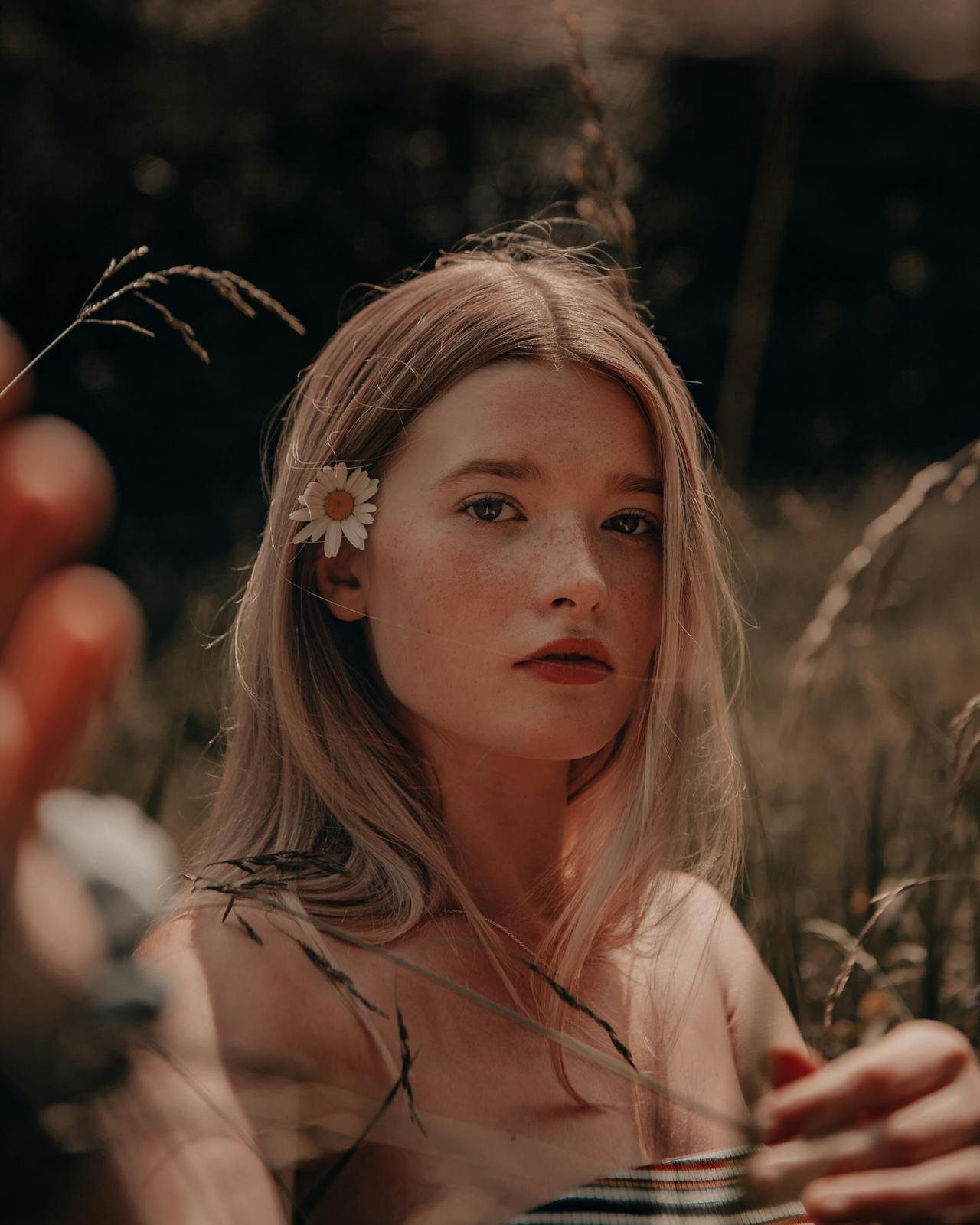
  • We launch a series on: The Profound Intersection: Exploring Floristry with an Artistic and Philosophical Lens

    For centuries, flowers have captivated humanity with their fleeting yet exquisite beauty and their ability to stir a myriad of emotions. Beyond being subjects of countless artworks and integral parts of cultural ceremonies, flowers hold a deeper significance that transcends mere representation. Stay tuned, as we release a calendar of article and live workshop and talks that delve into the world of floristry, examining this practice through the perspectives of art history and philosophy to unravel the intricate connections between floral arrangements, human expression, and the pursuit of beauty.

    First season (coming in September!): The Artistry in Blooms

    1.1 Ancient Beginnings: From Egypt to Rome

    – Explore the symbolic use of flowers in ancient civilizations such as Egypt and Rome.

    – Uncover how floral motifs were integrated into ancient art and architecture.

    The Renaissance: Flourishing Beauty

    – Delve into the profound symbolism of flowers in Renaissance art and literature.

    – Analyze how blossoms influenced notions of beauty and harmony during this remarkable period.

    Dutch Golden Age: Flowers as Expressions of Status

    – Investigate the symbolism behind flowers depicted in Dutch still-life paintings during the 17th century.

    – Shed light on the social, economic, and cultural implications embedded within these elaborate floral compositions.

    Impressionism: Seizing Fleeting Elegance

    – Analyze how impressionist artists exploited flowers as subjects for experimentation.

    – Discuss how masterful artists like Monet and Renoir sought to capture the ethereal essence of blooms.

    Second season: Floristry as an Expression

    2.1 The Silent Language Conveyed by Flowers

    – Journer through history to discover “floriography” – a non-verbal means of communication.

    Explore symbolic meanings associated with different types of flowers and their impact on floral arrangements.

    2.2 Cultural Perspectives

    – Contrast and compare the different cultural contexts in which floristry thrives.

    – Examine the profound significance and philosophical foundations of floral arrangements in Eastern traditions, such as Ikebana.

    2.3 Floral Design: The Artistic Expression

    – Celebrate the creative process behind floral design, akin to other art forms like painting or sculpture.

    – Unveil how color, texture, and form are skilfully employed by florists to evoke emotions and create visually captivating compositions.

    Third Season: Philosophy and the Aesthetics of Floristry

    3.1 The Sublime Beauty & Transience

    – Embark on a philosophical journey exploring concepts of beauty applied to floristry.

    – Contemplate how flowers symbolize the transient nature of all things beautiful.

    3.2 Environmental Ethics

    – Delve into the ethical implications of floristry regarding sustainability and environmental impact.

    – Highlight the industry’s commitment towards responsible sourcing and sustainable practices.

    3.3 Zen Philosophy in Floral Arrangement

    – Explore the profound influence of Zen Buddhism on ikebana – an exquisite Japanese art form.

    -Unearth the Zen principles of simplicity, asymmetry, and unity that imbue ikebana with its unique essence.

    The intersection between floristry, art history, and philosophy unravels a tapestry rich with intricacies. This article revealed how floral arrangements serve as powerful conduits for human expression while simultaneously embodying wider societal and environmental concerns. As we continue embracing the innate beauty found in flowers, we deepen our connection with a fluid dialogue encompassing artistry, nature, and the breadth of human experience.