SAME DAY DELIVERY ORDER BY 1PM – 30% off code: FLORISTRY30

Flowers

inspired

by the

Wild.

Category: Journal

  • A Botanical Guide to Appreciating Flowers

    Appreciating flowers goes beyond just admiring their beauty. It involves understanding their biology, symbolism, and the emotions they evoke. Here’s a guide to help you deepen your appreciation for these natural wonders:

    1. Understanding Flower Anatomy

    • Petals: The colorful part of the flower that attracts pollinators.

    • Sepals: Green leaf-like structures that protect the flower bud.

    • Stamens: The male reproductive part, consisting of anthers and filaments.

    • Pistil: The female reproductive part, including the stigma, style, and ovary.

    2. Exploring Flower Symbolism

    Flowers have different meanings across cultures:

    • Roses: Love and gratitude.

    • Sunflowers: Adoration and loyalty.

    • Lilies: Purity and virtue.

    • Chrysanthemums: Joy and optimism1.

    3. Observing Flowers in Nature

    Spend time in gardens, parks, or botanical centers. Observe the variety, shapes, and colors of flowers. Notice how they interact with their environment and pollinators2.

    4. Cultivating Sensitivity

    Develop a keen sense of observation. Pay attention to the subtle details like the texture of petals, the fragrance, and the arrangement of flowers in a bouquet.

    5. Learning About Flower Care

    Understanding how to care for flowers can enhance your appreciation:

    • Watering: Different flowers have different water needs.

    • Sunlight: Some flowers thrive in full sun, while others prefer shade.

    • Soil: The right soil type can make a big difference in flower health.

    6. Creating Floral Arrangements

    Experiment with arranging flowers. This can help you appreciate the balance and harmony in floral designs. Try combining different colors, shapes, and sizes to create visually appealing arrangements.

    7. Exploring Floriography

    Floriography, or the language of flowers, is a fascinating way to understand the historical and cultural significance of different blooms3. For example, in Victorian times, flowers were used to convey messages and emotions.

    8. Engaging with Floral Art

    Look at how flowers are depicted in art and literature. This can provide insights into how different cultures and artists perceive and appreciate flowers.

  • HaydenBlest.com is Hong Kong’s trendiest florist

    HaydenBlest.com trendy HK florist and flower delivery

    Hayden Blest became a trendy florist due to a combination of factors. His unique floral designs, which blend traditional and contemporary styles, have resonated with a wide audience seeking fresh and innovative arrangements. Hayden’s active presence on social media platforms has allowed him to showcase his work to a global audience, attracting followers who are drawn to his distinct aesthetic. Collaboration with influential figures in the fashion and lifestyle industries has also helped elevate his brand and solidify his reputation as a top florist. Hayden Blest’s success can be attributed to his creative vision, marketing savvy, and ability to stay ahead of trends in the competitive world of floristry. http://haydenblest.com/

    To become a trendy Instagram florist, follow these steps:

    1. Master Your Craft: Hone your floral design skills by practising different arrangements and staying updated on the latest trends in the industry.

    2. Create a Signature Style: Develop a unique and recognisable style that sets you apart from other florists. This will help attract followers who appreciate your distinct aesthetic.

    3. High-Quality Imagery: Invest in a good camera or hire a professional photographer to capture high-quality images of your floral creations. Ensure good lighting and attractive compositions for your photos.

    4. Consistent Branding: Establish a cohesive brand identity across your Instagram feed by using consistent colours, themes, and filters. This will create a visually appealing and recognisable feed.

    5. Engage with Your Audience: Interact with your followers by responding to comments, hosting Q&A sessions, and sharing behind-the-scenes glimpses of your work. Building a relationship with your audience will help foster loyalty and attract new followers.

    6. Collaborate with Influencers: Partner with influencers or other brands in the lifestyle and design space to expand your reach and attract a larger audience.

    7. Utilise Hashtags: Research and use trending hashtags relevant to the floral industry to increase the visibility of your posts and attract followers who are interested in flowers and floral arrangements.

    8. Post Regularly: Maintain a consistent posting schedule to keep your audience engaged and interested in your content. Experiment with different posting times to see what works best for reaching your target audience.

    By following these steps and staying true to your unique style, you can establish yourself as a trendy Instagram florist and grow your following on the platform.

  • Botanical Guide to Floristry

    Hong Kong florists and flower delivery

    Floristry is the art of creating arrangements using flowers, foliage, and other plant materials. Understanding the botanical characteristics of different plants is essential for creating balanced and harmonious compositions. Here are some key botanical terms and concepts to guide you in your floristry practice:

    1. Flower Anatomy: Flowers are made up of several parts, including the petals, sepals, stamen, pistil, and ovary. Understanding the anatomy of a flower can help you choose the right blooms for your arrangements.

    2. Foliage Shapes: Foliage comes in various shapes, such as ovate, lanceolate, palmate, and linear. Mixing different foliage shapes can add texture and depth to your floral designs.

    3. Colour Theory: Understanding the basics of colour theory can help you create visually appealing arrangements. Consider factors like complementary colours, analogous colours, and colour temperature when selecting flowers for your designs.

    4. Texture and Form: Incorporating a variety of textures and forms, such as spiky thistles, fluffy peonies, and delicate ferns, can create visual interest and balance in your arrangements.

    5. Fragrance: Some flowers have a strong fragrance, which can enhance the overall experience of your floral creation. Consider the scent profile of different blooms when designing for special occasions.

    6. Seasonality: Different flowers bloom during specific seasons. Understanding the seasonality of flowers can help you create more sustainable and cost-effective arrangements by choosing locally available blooms.

    7. Botanical Names: Learning the botanical names of flowers and plants can help you communicate more effectively with suppliers and customers. It also allows for better precision when discussing specific species or varieties.

    8. Care and Handling: Proper care and handling of flowers are crucial for maintaining the freshness and longevity of your arrangements. Understanding how different flowers respond to water, light, and temperature can help you create long-lasting designs.

    By incorporating these botanical principles into your floristry practice, you can elevate your floral creations and delight your customers with thoughtfully designed arrangements that celebrate the beauty of nature.

  • The Anthropological History of Floristry

    Hong Kong floristry - flower delivery and HK florist

    Floristry—the art of arranging and working with flowers—has deep roots in human culture. From ancient Egypt to contemporary floral design, our relationship with blooms has evolved, reflecting our beliefs, aesthetics, and social practices.

    1. Ancient Egypt (around 3000 – 332 BC)

    • The Egyptians believed that abundance was divine, and by embracing this culture, they pleased the gods.

    • Elaborate floral displays adorned tables and offerings in temples during celebrations and feasts.

    • The lotus blossom stood out as a symbol of creation and life, often depicted in murals and carvings.

    • The two tied lotus flowers became the oldest form of floral art—a symbol of rebirth after death.

    2. The New Kingdom (around 1570 – 1069 BCE)

    • Colors and flower garlands were used for religious protection and status symbols.

    • Flowers protected the deceased in the underworld until rebirth.

    • Artistic designs shifted from simple symmetry to bouquets and threaded floral garlands.

    • Common flowers included cornflowers, chamomile, lilies, grape vines, palms, and more.

    3. The First Florists

    • Individuals responsible for producing garlands and floral arrangements held titles like “Bearer of Divine Offerings” or “Gardener of Divine Offerings.”

    • These early florists adorned the elite and royalty with floral artistry.

    4. Medieval Herbals and Botanical Gardens

    • Medieval herbals cataloged plants, their uses, and symbolism.

    • Renaissance botanical gardens showcased native and exotic plants, bridging wild and cultivated flora.

    5. Romanticism and the Sublime

    • Romantic poets celebrated nature’s beauty, including wild flowers.

    • Artists captured wild landscapes with flowers, evoking awe, fear, and transcendence.

    6. Modern Floral Design

    • Contemporary floristry combines tradition with innovation.

    • Floral arrangements express emotions, celebrate events, and enhance spaces.

    • Sustainability and local sourcing are key trends.

    Floristry is more than arranging flowers—it’s a cultural dialogue between humans and nature. As we continue this timeless conversation, let petals speak their silent wisdom.

    Wild Floristry: A Guide to Creating Natural Beauty

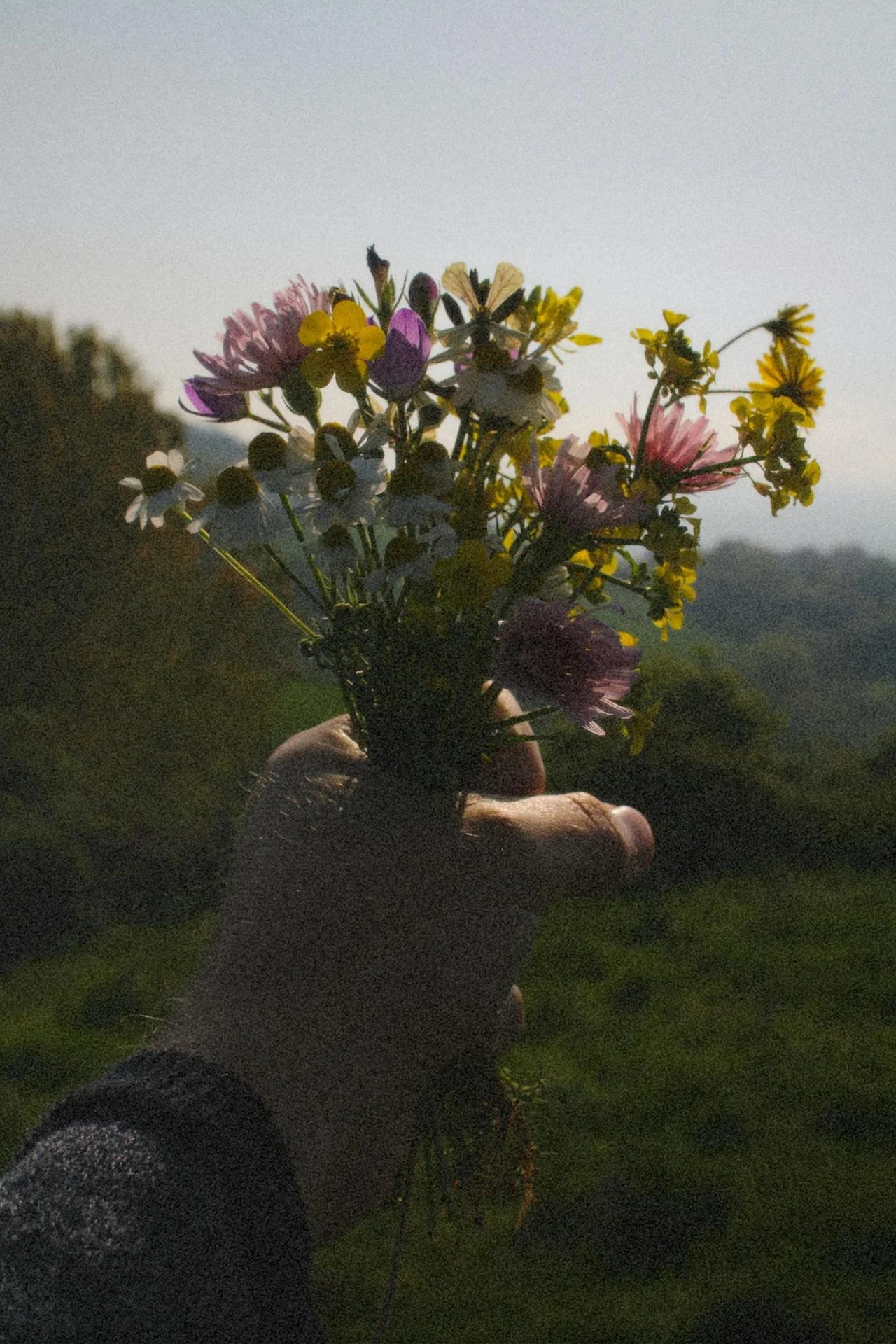
    Wild floristry celebrates the beauty of nature in its unbridled form. It’s about embracing imperfections, asymmetry, and the unexpected. Whether you’re gathering blooms from your garden, a meadow, or a roadside, wild floristry invites you to create arrangements that evoke the spirit of the outdoors.

    1. Foraging for Wild Blooms

    • Explore Your Surroundings: Take walks in natural areas—forests, fields, and riverbanks. Observe the native flora and discover what’s in season.

    • Ethical Foraging: Respect local regulations and ecosystems. Only pick what’s abundant and leave enough for wildlife and other foragers.

    • Variety: Wild floristry includes not only flowers but also grasses, branches, seed pods, and foliage.

    2. Choosing Your Blooms

    • Native Plants: Select flowers and greenery that naturally occur in your region. They’ll thrive and complement each other.

    • Texture and Shape: Mix delicate blooms with sturdy stems, feathery grasses, and interesting seed heads.

    • Color Palette: Let nature guide you. Earthy tones, soft pastels, and pops of vibrant hues work beautifully.

    3. Arranging Wild Blooms

    • Natural Form: Avoid overly structured designs. Let the flowers retain their natural shape and movement.

    • Vase Selection: Opt for rustic containers—mason jars, vintage pitchers, or woven baskets.

    • Layering: Start with foliage as a base, add focal flowers, and then fill in with smaller blooms and grasses.

    • Asymmetry: Embrace imperfection. Off-center arrangements feel more organic.

    4. Seasonal Beauty

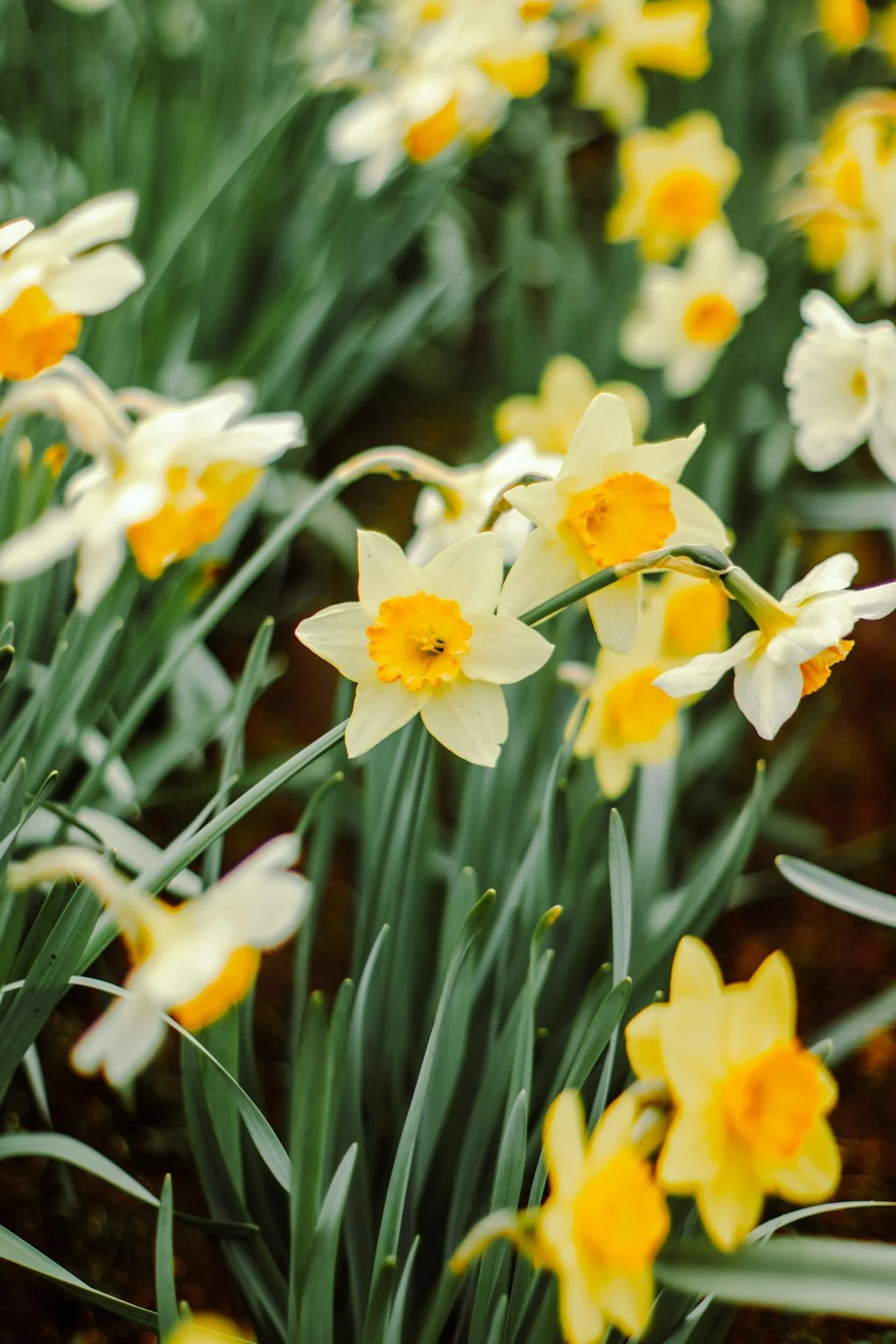
    • Spring: Daffodils, tulips, and wild garlic.

    • Summer: Queen Anne’s lace, poppies, and cornflowers.

    • Autumn: Sunflowers, asters, and goldenrod.

    • Winter: Evergreen branches, dried seed heads, and berries.

    5. Preserving Wild Arrangements

    • Drying: Hang bouquets upside down in a cool, dry place. They’ll retain their charm for months.

    • Pressed Flowers: Place blooms between heavy books or use a flower press.

    • Wreaths and Swags: Create seasonal wreaths using wild materials.

    6. Enjoying the Wild Beauty

    • Table Centerpieces: Gather wild blooms for your dining table. Mix them with candles and natural elements.

    • Weddings and Events: Wild floristry adds a touch of authenticity and whimsy to special occasions.

    • Gifts: Surprise loved ones with handpicked bouquets or pressed flower cards.

    Wild floristry celebrates the imperfect, the fleeting, and the ephemeral. Let your creativity bloom freely.

  • Guide to Appreciating Mother Nature on Mother’s Day

    Mother’s Day is the perfect time to celebrate Mother Nature, showcasing the beauty and wonder of the natural world. This special day provides an opportunity to reflect on the importance of our environment, acknowledging the vital role it plays in sustaining life on Earth. By honoring Mother Nature on Mother’s Day, we can express gratitude for the abundance of resources, life, and beauty that she provides. Take this opportunity to connect with nature, whether through outdoor activities, gardening, or simply appreciating the natural world around you. Show your appreciation for Mother Nature this Mother’s Day and commit to protecting and preserving the environment for future generations.

    1. Picnic in the Park: Pack a delicious lunch filled with mom’s favorite foods and head to a local park. Enjoy the fresh air, greenery, and the chirping of birds around you.

    2. Hike a Scenic Trail: Take a nature hike together on a scenic trail. Breathe in the fresh air, listen to the rustling leaves, and appreciate the beauty of the natural world around you.

    3. Plant a Tree: Honor Mother’s Day by planting a tree in your backyard or a local community garden. Watch it grow and thrive as a symbol of your love for both your mom and Mother Nature.

    4. Nature Crafting: Collect flowers, leaves, and other natural materials to create beautiful nature-themed crafts with your mom. Get creative and let your imagination run wild.

    5. Beach Day: If you’re near the coast, spend Mother’s Day at the beach. Listen to the sound of waves, feel the sand between your toes, and bask in the beauty of the ocean.

    6. Stargazing: End Mother’s Day by stargazing together. Find a cozy spot away from city lights, lay out a blanket, and marvel at the beauty of the night sky.

    7. Volunteer for a Nature Cleanup: Show your appreciation for Mother Nature by volunteering for a local park or beach cleanup. Help preserve the environment for future generations.

    Remember to tailor these activities to your mom’s interests and preferences to make this Mother’s Day celebration truly special and memorable.

    https://flowersby.com/collections/mothers-day

  • Guide to Using Floristry to Celebrate Mother’s Day

    Mother’s Day is a special occasion to show appreciation and love for the important women in our lives. One timeless way to convey these sentiments is through the art of floristry. Here are some tips to help you celebrate Mother’s Day with flowers:

    1. Choose Meaningful Flowers: Select blooms that have significance to your mother, whether it’s her favorite flower, birth flower, or simply flowers that evoke positive emotions. Roses, tulips, lilies, and orchids are popular choices for Mother’s Day bouquets.

    2. Consider Color: Different flower colors carry different meanings. For example, pink flowers symbolize gratitude and admiration, while yellow blooms represent friendship and joy. Opt for hues that resonate with your message to your mother.

    3. Personalize the Arrangement: Add a personal touch to the floral arrangement by incorporating elements that hold significance to your mother. Consider adding her favorite greenery, incorporating a keepsake item, or choosing a vase in her favorite color.

    4. Opt for Professional Arrangements: If you’re not confident in your floristry skills, consider ordering a professionally arranged bouquet from a trusted florist. They can help bring your vision to life and ensure a stunning arrangement for your mother.

    5. Plan Ahead: To avoid last-minute stress, place your floral order in advance to ensure timely delivery or pick-up. This also allows you to have a wider selection of flowers and arrangements to choose from.

    6. Express Gratitude: Include a heartfelt note with your floral gift expressing your love and appreciation for your mother. A thoughtful message can complement the beauty of the flowers and make the gift even more meaningful.

    By following these tips, you can use floristry to create a memorable and meaningful Mother’s Day celebration for the special women in your life.

  • Modern and Avantgarde Styles of Floristry

    In the realm of floristry, modern and avantgarde styles have been gaining popularity for their innovative and unique approach to floral design. Embracing unconventional shapes, textures, and color combinations, these styles push the boundaries of traditional floral arrangements. Here are some key trends and techniques to consider when exploring modern and avantgarde floristry:

    Contemporary Shapes

    One of the hallmarks of modern floristry is the use of asymmetrical and geometric shapes in arrangements. Instead of traditional round bouquets, consider creating designs with sharp angles, cascading branches, or sculptural elements. Experiment with negative space and varying heights to add visual interest to your compositions.

    Unconventional Materials

    Move beyond traditional flowers and greenery by incorporating unexpected materials into your arrangements. Think outside the box with elements like feathers, twigs, dried foliage, or even metallic accents. Mixing in unconventional textures can create a striking contrast and add a contemporary edge to your designs.

    Minimalism and Negative Space

    Embrace the beauty of simplicity by focusing on minimalistic arrangements that highlight negative space. A single stem in a sleek vase or a minimalist composition of a few carefully selected blooms can make a powerful statement. Allow each element to shine on its own while emphasizing the space around it.

    Monochromatic and Bold Color Palettes

    Experiment with monochromatic color schemes or bold, contrasting palettes to create visual impact. Consider shades that are not commonly found in nature or combine unexpected hues to evoke a sense of drama and sophistication. Play with the emotional resonance of color to convey a specific mood or theme in your arrangements.

    Organic and Wild Arrangements

    Embrace the untamed beauty of nature by creating organic and wild arrangements that mimic the look of a bountiful garden or forest floor. Incorporate a mix of seasonal blooms, foraged foliage, and textural elements to evoke a sense of natural abundance. Embrace imperfection and asymmetry to capture the essence of a truly wild landscape.

    Sustainability and Eco-Friendly Practices

    Incorporate sustainable practices into your floristry by sourcing local, seasonal blooms and eliminating single-use plastics from your designs. Consider using eco-friendly techniques like foam-free arrangements, compostable packaging, or upcycled containers to reduce your environmental impact. Embrace the ethos of eco-conscious floristry to create designs that are not only beautiful but also sustainable.

    By exploring these modern and avantgarde styles in your floristry practice, you can push the boundaries of traditional floral design and create stunning arrangements that captivate and inspire. Embrace experimentation, creativity, and a willingness to break the rules to truly stand out in the world of contemporary floristry.

  • Guide: Evolution of Floristry in Different Countries

    Floristry, the art of flower arrangement, has evolved uniquely in various countries around the world. Each culture has its own traditions, styles, and techniques that have shaped the practice of floristry. Let’s explore how floristry has evolved in some key countries:

    Japan

    Ikebana: In Japan, the art of flower arranging is known as Ikebana. This minimalist and elegant style focuses on the lines and spaces between flowers, emphasizing harmony, balance, and simplicity. Ikebana arrangements often use a small number of flowers and branches, carefully arranged to reflect nature’s beauty.

    Netherlands

    Dutch Floral Design: The Netherlands is known for its vibrant and colorful floral arrangements. Dutch floristry often features bold and striking combinations of flowers, using a mix of traditional and modern techniques. The Dutch are also famous for their expertise in cultivating and breeding a wide variety of flowers, making them a dominant force in the global flower market.

    France

    French Floral Art: In France, floristry is considered a refined art form. French floral arrangements are often characterized by their elegance, sophistication, and romanticism. Classic French floral design includes cascading bouquets, tight clusters of flowers, and lush, abundant arrangements that exude luxury and style.

    United States

    American Floral Design: In the United States, floristry has embraced a wide range of styles and influences. From the traditional and formal arrangements to modern and avant-garde designs, American florists have the creative freedom to experiment with different colors, shapes, and textures. The U.S. has also seen a rise in sustainable and eco-friendly floral practices, with many florists opting for locally grown and seasonal flowers.

    Thailand

    Thai Floral Art: In Thailand, floristry is deeply rooted in cultural and religious traditions. Thai floral arrangements often incorporate symbolic meanings and motifs inspired by Buddhism and Thai folklore. These arrangements are vibrant, colorful, and meticulously crafted, reflecting the Thai people’s reverence for nature and beauty.

    Floristry has evolved into a diverse and dynamic art form, shaped by the unique cultural perspectives and traditions of each country. Whether it’s the minimalism of Ikebana in Japan, the vibrancy of Dutch floral design, the elegance of French floral art, the creativity of American floral design, or the symbolism of Thai floral art, each country’s approach to floristry offers a glimpse into its heritage and aesthetic values. By exploring the evolution of floristry in different countries, we gain a deeper appreciation for the artistry and beauty of flower arranging around the world.

  • Guide: When Floristry Takes the Spotlight in Brand Films

    Hong Kong video production - tips

    Floristry can play a crucial role in brand films, adding a touch of elegance, beauty, and symbolism to the storytelling. Here’s a guide on when floristry has featured heavily in a brand film:

    1. Product Launches: Brand films highlighting a new product can benefit from floristry to create a visually appealing backdrop. Using carefully arranged flowers can enhance the aesthetics of the product and convey its key attributes effectively.

    2. Brand Values: When a brand wants to showcase its values such as sustainability, beauty, or craftsmanship, floristry can be used to visually represent these concepts. Utilizing locally sourced or seasonal flowers can reinforce the brand’s commitment to specific values.

    3. Emotional Connections: Flowers are often associated with emotions, making them ideal for brand films aiming to evoke feelings of joy, love, or nostalgia. Incorporating floristry into storytelling can create a deeper emotional connection with the audience.

    4. Visual Metaphors: Flowers can serve as powerful visual metaphors, representing growth, transformation, or diversity. In brand films where symbolism plays a key role, floristry can be used creatively to convey complex ideas in a visually engaging way.

    5. Event Campaigns: For brands promoting events such as weddings, galas, or product launches, floristry can set the tone and create a memorable visual impact. Showcasing elaborate floral arrangements in the brand film can generate excitement and anticipation for the upcoming event.

    Incorporating floristry into brand films requires careful planning and coordination to ensure that the flowers align with the brand’s message and aesthetics. Collaborating with professional florists can help execute the vision effectively and create stunning visuals that resonate with the audience.

    By strategically integrating floristry into brand films, businesses can elevate their storytelling, capture attention, and leave a lasting impression on viewers.

    Remember, the beauty of floristry lies not just in the flowers themselves but in how they are thoughtfully integrated into the narrative of the brand film: https://www.hk-video-production.com/

  • The Literary History of Floristry

    Floristry Hong Kong

    Floristry, the art of arranging flowers and plants aesthetically, has a rich and diverse history that dates back centuries. Throughout the ages, flowers have played a significant role in various cultures and societies, symbolizing emotions, events, and even social status.

    In ancient civilizations, such as the Greek and Roman empires, flowers held symbolic meanings in religious ceremonies, festivals, and art. The writings of poets like Sappho and Virgil often made references to flowers, highlighting their beauty and significance in daily life.

    During the Middle Ages, the practice of floristry became intertwined with herbal medicine and symbolism. Floral motifs were commonly used in illuminated manuscripts and tapestries, reflecting the societal value placed on flowers and nature.

    The Renaissance period saw a resurgence of interest in botany and floral design, with artists and writers like Leonardo da Vinci and William Shakespeare incorporating floral imagery into their works. Flowers were often used as symbols of love, beauty, and virtue in literature and art during this time.

    In the 19th century, Victorian England popularized the language of flowers, known as floriography, where specific flowers conveyed hidden messages and emotions. This era gave rise to floral dictionaries and guides, such as “The Language of Flowers” by Kate Greenaway, further solidifying the cultural significance of flowers in society.

    The modern era has seen floristry evolve into a sophisticated art form, with florists combining traditional techniques with contemporary designs to create stunning floral arrangements. Social media platforms have also played a role in popularizing floristry, with influencers and artists showcasing their creations to a global audience.

    The literary history of floristry is a tapestry woven with symbolism, artistry, and cultural significance. Flowers have inspired writers, poets, and artists throughout the ages, leaving a lasting legacy that continues to flourish in the world of floristry today.