SAME DAY DELIVERY ORDER BY 1PM – 30% off code: FLORISTRY30

Flowers

inspired

by the

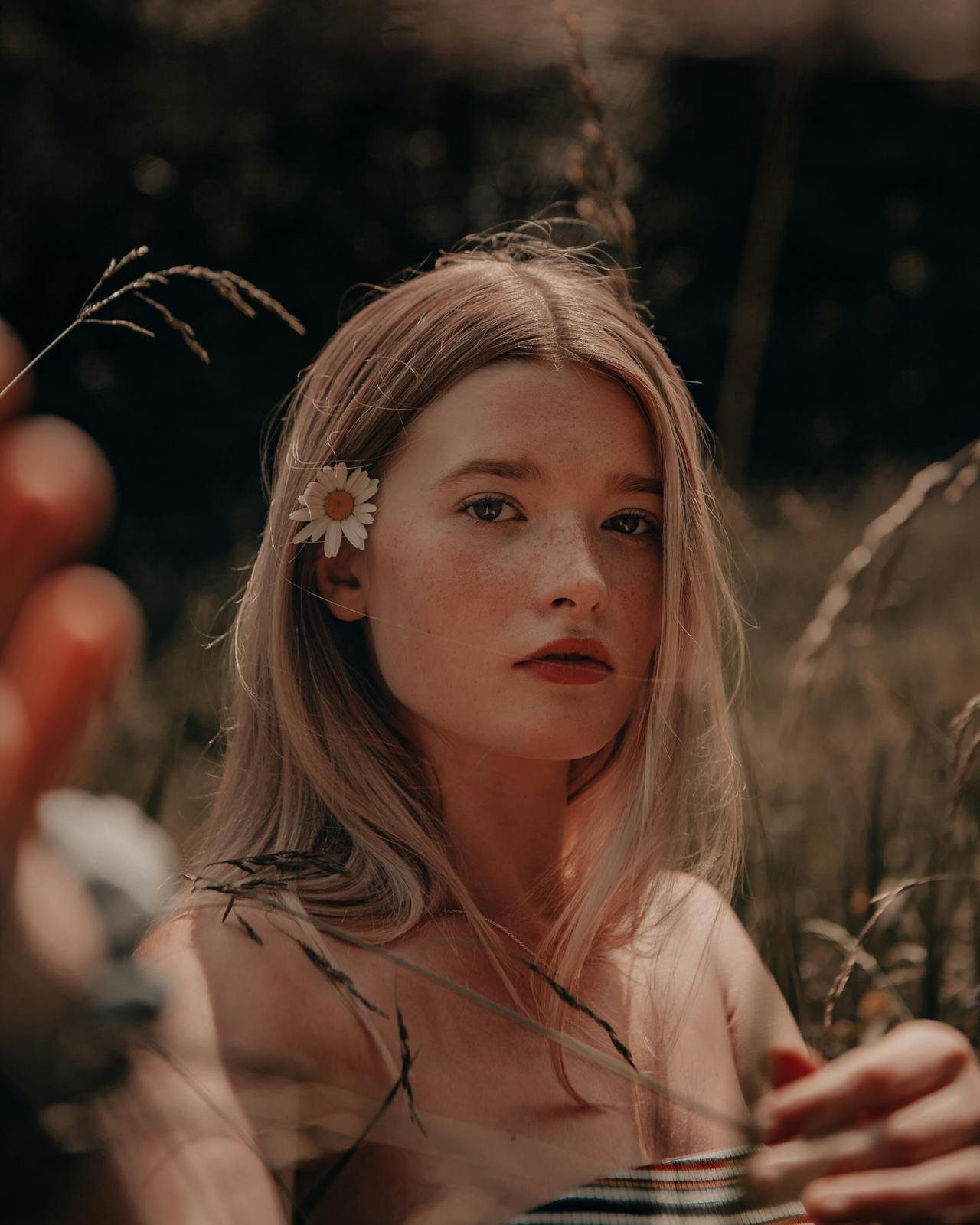
Wild.

Category: Journal

  • 全球不同類型花店的綜合指南

    花卉在全球各地的文化中扮演著重要角色,被用於慶祝、表達愛意、哀悼和裝飾。不同地區發展出獨特的花店風格,以滿足當地顧客的特定需求。本指南將介紹全球各種類型的花店。

    1. 傳統花店

    傳統花店是最常見的花店類型,提供鮮切花、花束、花藝設計及各種場合的花卉裝飾,如婚禮、生日、喪禮和企業活動。這類花店通常提供客製化服務及送花服務。

    示例:

    • 巴黎的精品花店專注於優雅奢華的花藝設計。

    • 日本的花店常專注於「生花」(Ikebana) 插花藝術。

    2. 超市及便利商店花卉專區

    許多超市和便利商店販售預先搭配好的花束和盆栽,使花卉變得更易取得且價格親民。雖然這類花店通常缺乏客製化選項,但它們是臨時購買花卉的便利選擇。

    示例:

    • 英國 Tesco 和美國 Kroger 擁有專門的花卉區域。

    • 日本和台灣的 7-Eleven 便利商店販售小型花束,方便消費者快速選購。

    3. 線上花店

    電子商務的興起催生了線上花店,提供送貨到府服務。顧客可以透過網站或手機應用程式選購花束,許多店家提供當日或次日配送服務。

    示例:

    • 美國的 1-800-Flowers 和 FTD 提供全國範圍的花卉配送。

    • 英國的 Bloom & Wild 提供「信箱花束」,以扁平包裝方式寄送。

    4. 花卉市場

    花卉市場是批發商、零售商和消費者購買鮮花的熱鬧場所,提供種類繁多、價格實惠的花卉,常被花商及活動策劃者光顧。

    示例:

    • 荷蘭的阿爾斯梅爾花卉拍賣市場 (Aalsmeer Flower Auction) 是全球最大的花卉交易市場之一。

    • 泰國曼谷的 Pak Khlong Talad 花市 24 小時營業,提供各式鮮花。

    5. 專業及特色花店

    一些花店專注於獨特的花藝設計,針對特定主題或場合進行創作。例如,這些花店可能專門銷售環保花卉、永生花、異國花種或稀有花卉。

    示例:

    • 紐約的 Eternal Roses 花店專營可保存數年的永生玫瑰。

    • 新加坡的花藝設計師打造現代雕塑風格的花藝作品。

    6. 婚禮及活動花店

    這類花店專門提供婚禮、企業活動及特殊慶典的大型花卉佈置。他們通常會在現場進行布置,打造華麗的花藝裝飾。

    示例:

    • 印度的婚禮花店設計華麗的花卉婚禮亭 (Mandap) 和花環。

    • 義大利的高端婚禮花店提供奢華的目的地婚禮花藝設計。

    7. 街頭花販及快閃花店

    許多城市擁有獨立的街頭花販,販售現成的花束。這些花販提供價格實惠的花束,方便行人隨時購買。

    示例:

    • 倫敦哥倫比亞路花市 (Columbia Road Flower Market) 的街頭花販。

    • 墨西哥城的流動花車販售鮮花如玫瑰與百合。

    8. 園藝中心及苗圃

    園藝中心和苗圃通常設有專門的花卉區,除了銷售切花和花藝設計外,還迎合喜愛園藝的消費者,提供各種園藝植物。

    示例:

    • 英國的 Dobbies Garden Centres 結合花藝與植物銷售。

    • 日本的埼玉花卉公園 (Saitama Flower Park) 提供切花與園藝植物的綜合選擇。

    世界各地的花店多樣化,反映出不同地區的花卉傳統、文化意義及消費者喜好。無論是尋找奢華花束、平價花卉,或是專業設計的花藝作品,各種花店都能滿足您的需求。

    https://zh-hk.hk-florist.org/

  • A Comprehensive Guide to Different Types of Flower Shops Around the World

    Flowers play a significant role in cultures worldwide, used for celebrations, expressions of love, sympathy, and decor. Different regions have developed unique styles of flower shops, each catering to the specific needs of its customers. This florist guide explores the various types of flower shops found across the globe.

    1. Traditional Florists

    Traditional florists are the most common type of flower shop. They offer fresh-cut flowers, bouquets, arrangements, and floral decorations for various occasions such as weddings, birthdays, funerals, and corporate events. These shops often provide customization options and delivery services.

    Examples:

    • Boutique florists in Paris specialize in elegant and luxurious arrangements.

    • Japanese florists often focus on Ikebana, the art of flower arranging.

    2. Supermarket and Convenience Store Flower Stalls

    Many supermarkets and convenience stores sell pre-arranged bouquets and potted plants, making flowers accessible and affordable. While they may lack customization, they are a convenient option for last-minute purchases.

    Examples:

    • Tesco in the UK and Kroger in the USA have floral sections with fresh flowers.

    • 7-Eleven stores in Japan and Taiwan sell small bouquets for quick purchases.

    3. Online Flower Shops

    The rise of e-commerce has given way to online florists that offer home delivery services. Customers can browse various arrangements and place orders through websites or mobile apps, with many shops offering same-day or next-day delivery.

    Examples:

    • 1-800-Flowers and FTD in the USA provide nationwide delivery services.

    • Bloom & Wild in the UK specializes in letterbox flowers, delivered in flat-pack boxes.

    4. Flower Markets

    Flower markets are bustling hubs where wholesalers, retailers, and consumers buy fresh flowers in bulk. They offer a wide variety of flowers at competitive prices and are often frequented by florists and event planners.

    Examples:

    • The Netherlands’ Aalsmeer Flower Auction, one of the largest in the world.

    • Bangkok’s Pak Khlong Talad, a 24-hour flower market with vibrant offerings.

    5. Specialty and Niche Florists

    Some florists specialize in unique flower arrangements tailored to a specific theme or event. These shops may focus on eco-friendly, preserved, exotic, or rare flowers.

    Examples:

    • Eternal Roses in New York City specializes in preserved roses that last for years.

    • Singapore’s floral artisans create modern, sculptural flower arrangements.

    6. Wedding and Event Florists

    These florists focus on large-scale floral decorations for weddings, corporate events, and special celebrations. They often work on-site to set up elaborate installations and centerpieces.

    Examples:

    • Indian wedding florists create grand floral mandaps (wedding canopies) and garlands.

    • Luxury wedding florists in Italy design opulent floral decor for destination weddings.

    7. Street Vendors and Pop-Up Flower Stalls

    Many cities have independent flower vendors who sell bouquets on the streets or at temporary pop-up stands. These vendors provide affordable, ready-made arrangements for passersby.

    Examples:

    • Street florists in London’s Columbia Road Flower Market.

    • Mobile flower carts in Mexico City selling fresh roses and lilies.

    8. Garden Centers and Nurseries

    Garden centers and plant nurseries often have a section dedicated to cut flowers and floral arrangements. These shops cater to gardening enthusiasts and those looking for floral gifts with a horticultural touch.

    Examples:

    • Dobbies Garden Centres in the UK combine floristry with plant sales.

    • Japan’s Saitama Flower Park offers a mix of cut flowers and garden plants.

    The diversity of flower shops around the world reflects the varying floral traditions, cultural significance, and consumer preferences in different regions. Whether you are looking for a luxurious bouquet, a budget-friendly arrangement, or a specialized floral design, there is a flower shop to meet your needs.

    https://www.hk-florist.org/
  • A Florist Guide to Mother’s Day Flowers Through the Ages

    Flowers have always been a symbol of love and gratitude for mothers. As times change, the traditions of giving flowers on Mother’s Day have also evolved. Across different eras and cultures, people have chosen various flowers to express their respect and affection for mothers.

    Ancient Mother’s Day Flowers

    Ancient China

    • Although China traditionally did not have Mother’s Day, filial piety culture encouraged children to express their respect for their mothers through flowers.

    • Peonies symbolized nobility and prosperity and were often offered to mothers.

    • Lotus flowers represented purity and high virtue and were commonly dedicated to mothers in Buddhist traditions.

    Medieval Europe

    • In early European traditions, “Mothering Sunday” was celebrated with fresh flowers and handmade floral wreaths as tokens of love for mothers.

    • Violets and roses symbolized a mother’s gentleness and kindness.

    19th and Early 20th Century

    • The concept of Mother’s Day gained popularity in the 19th century and was officially established in the early 20th century.

    • Carnations became the most iconic Mother’s Day flowers.

      • In 1908, American activist Anna Jarvis first promoted the use of carnations to honor mothers.

      • Red carnations symbolized a living mother, while white carnations were used to commemorate a deceased mother.

    Mid-20th Century

    • Roses and carnations became the most popular Mother’s Day flowers.

    • In Japan and South Korea, giving red carnations became a widespread tradition, while other countries gradually embraced pink and white flowers.

    • Florists began offering specialized Mother’s Day bouquets with increasingly elegant packaging.

    Modern Trends in Mother’s Day Flowers

    • Lilies: Represent purity and maternal love and have become a popular Mother’s Day choice in recent years.

    • Sunflowers: Symbolize warmth and vitality, ideal for mothers with a bright and cheerful personality.

    • Orchids: Elegant and long-lasting, they are considered premium floral gifts, especially in Asia.

    • Preserved Flowers: Symbolizing eternal love, they have become a trendy choice for younger generations.

    • Personalized Bouquets: Many people now customize bouquets based on their mother’s preferences, mixing different types and colors of flowers.

    The tradition of giving flowers on Mother’s Day has evolved over time, from ancient symbolic flowers to modern, exquisitely designed bouquets. Each flower carries deep gratitude and love for mothers. Whether it’s the traditional carnation or the more recent popularity of sunflowers and preserved flowers, floral gifts remain one of the most beautiful ways to express emotions on Mother’s Day.

  • 歷代母親節花卉指南

    鮮花一直是表達母愛與感激的象徵,隨著時代的變遷,母親節送花的習俗也有所演變。不同時代、文化背景下,人們選擇的母親節花卉各具特色,展現了對母親的尊敬與愛戴。

    古代母親節花卉

    中國古代

    • 雖然中國傳統上沒有母親節,但在孝道文化的影響下,子女會以花卉表達對母親的敬意。

    • 牡丹象徵尊貴與繁榮,常被用來獻給母親。

    • 蓮花代表純潔與高尚,是佛教文化中對母親的敬獻之花。

    歐洲中世紀

    • 歐洲早期的「母親主日」(Mothering Sunday)傳統上以鮮花和手工花環表達對母親的愛。

    • 紫羅蘭與玫瑰象徵母親的溫柔與慈愛。

    19 世紀與 20 世紀早期

    • 母親節概念在 19 世紀逐漸流行,並於 20 世紀初正式確立。

    • 康乃馨成為最具代表性的母親節花卉。

      • 1908 年,美國安娜·賈維斯(Anna Jarvis)首次倡導以康乃馨紀念母親。

      • 紅色康乃馨象徵母親健在,白色康乃馨則用來悼念已故的母親。

    20 世紀中葉

    • 玫瑰與康乃馨共同成為母親節熱門選擇。

    • 日本與韓國流行贈送紅色康乃馨,而部分國家則逐漸接受粉色與白色花卉。

    • 花店開始提供專門的母親節花束,包裝越發精美。

    現代母親節花卉趨勢

    • 百合:象徵純潔與母愛,近年來成為母親節熱門花卉。

    • 向日葵:代表陽光與活力,適合熱情開朗的母親。

    • 蘭花:優雅而長壽,被視為高級花卉禮品,特別受亞洲地區喜愛。

    • 永生花:象徵永恆的愛,成為年輕世代的新選擇。

    • 個性化花束:許多人會根據母親的喜好搭配花束,如混合不同種類與顏色的花卉。

    母親節送花的傳統歷經時代變遷,從古老的象徵花卉到現代精緻的花束,每種花卉都承載著人們對母親的感謝與愛。無論是傳統的康乃馨,還是近年流行的向日葵與永生花,花朵始終是母親節最美的情感表達方式。

  • 厄瓜多最著名的花卉指南

    厄瓜多是全球最重要的花卉生產國之一,以高海拔花田、全年充足的陽光和肥沃的火山土壤聞名。這些條件造就了色彩鮮豔、品質卓越的花卉。無論你是花卉愛好者,還是想尋找獨特的花材,以下是厄瓜多最著名的花卉介紹。

    1. 玫瑰 – 厄瓜多花卉的皇冠寶石

    厄瓜多的玫瑰享譽全球,以花朵碩大、色彩鮮明、花莖修長而聞名。由於種植於安第斯山脈的高海拔地區,厄瓜多玫瑰比其他國家的玫瑰更具持久性,顏色也更加濃郁。

    特色:

    • 超過 500 種不同品種

    • 色彩豐富,包括罕見的藍玫瑰和彩虹玫瑰

    • 花朵大且花莖堅韌

    最佳用途:

    • 高端花束

    • 婚禮與特殊活動

    • 國際花卉市場

    2. 蘭花 – 厄瓜多的國花

    厄瓜多擁有超過 4,000 種原生蘭花,被譽為「蘭花天堂」。這些異國情調的花朵遍布全國不同的生態環境,從亞馬遜雨林到安第斯雲霧森林,都能發現它們的蹤跡。

    特色:

    • 形狀、大小、顏色多樣

    • 許多品種極為罕見,僅存於厄瓜多

    • 部分蘭花具有獨特的香氣

    最著名的品種:

    • 嘉德麗雅蘭(Cattleya) – 大而鮮豔,常用於胸花或花束

    • 石斛蘭(Epidendrum) – 花朵小巧,常見於厄瓜多森林中

    • 猴面蘭(Dracula) – 奇特造型,有些品種的花朵形似猴臉

    最佳用途:

    • 植物園與蘭花收藏

    • 室內裝飾花卉

    • 異國風情花藝設計

    3. 鶴蕉花(Heliconia) – 熱帶艷麗之花

    鶴蕉花擁有亮麗的紅、橘、黃色花苞,生長於厄瓜多的熱帶低地與雲霧森林。其獨特造型使其成為熱帶花卉佈置的焦點。

    特色:

    • 造型獨特,形似鳥喙

    • 作為切花使用時壽命極長

    • 吸引蜂鳥和其他授粉昆蟲

    最佳用途:

    • 熱帶風情花藝設計

    • 景觀造景與庭院種植

    • 生態友善花園

    4. 阿爾斯特羅美利亞(Alstroemeria) – 祕魯百合

    雖然阿爾斯特羅美利亞原產於祕魯,但在厄瓜多也廣泛種植。這種花朵擁有斑點花瓣,顏色多變,象徵友誼與繁榮。

    特色:

    • 壽命長,可維持約兩週

    • 顏色多樣,包括粉紅、紫色、橘色等

    • 適應性強,適合不同氣候環境

    最佳用途:

    • 混合花束設計

    • 宴會與慶典裝飾

    • 送給朋友與親人的祝福花卉

    5. 向日葵 – 充滿陽光的快樂花卉

    厄瓜多的向日葵不僅用於觀賞,還被廣泛種植作為農產品。由於全年日照充足,這些花朵可持續開放,並生長出巨大而鮮黃的花盤。

    特色:

    • 大型黃色花瓣,花心深色

    • 可生長得極為高大

    • 象徵幸福與正能量

    最佳用途:

    • 夏日花藝設計

    • 庭院景觀美化

    • 活力四射的花束

    6. 滿天星(Gypsophila) – 最完美的搭配花卉

    厄瓜多是全球滿天星的主要出口國之一。這種輕盈、雲霧狀的小花常作為花束的襯花,但也能單獨呈現出極簡之美。

    特色:

    • 小巧白色花朵,輕盈夢幻

    • 是許多花束設計中的理想填充花

    • 象徵純潔與天真

    最佳用途:

    • 新娘捧花與婚禮佈置

    • 花環與髮飾設計

    • 乾燥花藝作品

    7. 馬蹄蓮(Calla Lily) – 優雅高貴之選

    馬蹄蓮適應厄瓜多涼爽的高地氣候,因此成為該國的重要出口花卉之一。其流線型的喇叭狀花朵散發出簡約高貴的氣息。

    特色:

    • 花瓣光滑流暢,外型高雅

    • 常見純白色,也有粉紅、紫色、黃色等品種

    • 象徵純潔、優雅與重生

    最佳用途:

    • 婚禮捧花與儀式花藝

    • 葬禮與紀念活動花束

    • 高端花藝設計

    厄瓜多憑藉其豐富的生物多樣性與理想的種植條件,成為全球花卉產業的領導者。無論是享譽國際的玫瑰、稀有珍貴的蘭花,還是熱帶風情的鶴蕉花,每一朵花都展現出厄瓜多大自然的魅力。

    你最喜歡哪種厄瓜多花卉?你是否想參觀當地的花卉農場?

  • A Florist Guide to the Most Famous Flowers Grown in Ecuador

    Ecuador is one of the world’s most important flower producers, known for its high-altitude farms, year-round sunshine, and fertile volcanic soil. These conditions create the perfect environment for growing vibrant, high-quality flowers. Whether you’re a flower enthusiast or looking for unique blooms, here are the most famous flowers grown in Ecuador.

    1. RosesThe Crown Jewel of Ecuadorian Flowers

    Ecuador is world-famous for its roses, which are prized for their large blooms, vivid colors, and long stems. Grown at high altitudes in the Andes, Ecuadorian roses have a longer vase life and more intense hues than those from other countries.

    Unique Features:

    • Over 500 different varieties

    • Rich, vibrant colors, including rare shades like blue and rainbow

    • Extra-large heads and long, sturdy stems

    Best Uses:

    • Luxury bouquets

    • Weddings and special events

    • International flower markets

    2. OrchidsEcuador’s National Flower

    With over 4,000 native orchid species, Ecuador is considered a paradise for orchid lovers. These exotic flowers thrive in the country’s diverse ecosystems, from the Amazon rainforest to the Andean cloud forests.

    Unique Features:

    • A vast variety of colors, shapes, and sizes

    • Some species are incredibly rare and only found in Ecuador

    • Many have unique fragrances

    Most Famous Species:

    • Cattleya – Large, vibrant flowers often used in corsages

    • Epidendrum – Small, delicate blooms commonly found in Ecuadorian forests

    • Dracula – Bizarre and dramatic, some resembling monkey faces

    Best Uses:

    • Botanical gardens and collectors

    • Indoor decorative plants

    • Exotic flower arrangements

    3. HeliconiasTropical Beauties

    Heliconias are bold, exotic flowers with bright red, orange, or yellow bracts. They thrive in Ecuador’s tropical lowlands and cloud forests, adding a striking visual appeal to gardens and floral designs.

    Unique Features:

    • Distinctive, sculptural shape resembling bird beaks

    • Extremely long-lasting as cut flowers

    • Loved by hummingbirds and pollinators

    Best Uses:

    • Tropical-themed floral arrangements

    • Landscaping in warm climates

    • Wildlife-friendly gardens

    4. AlstroemeriasThe Peruvian Lily

    Though originally from Peru, Alstroemerias are widely cultivated in Ecuador. These delicate, multi-colored flowers have speckled petals and symbolize friendship and prosperity.

    Unique Features:

    • Long vase life (up to two weeks)

    • Available in a rainbow of colors, including pink, purple, and orange

    • Resilient and adaptable to different climates

    Best Uses:

    • Mixed flower bouquets

    • Event decorations

    • Gifts for friends and loved ones

    5. SunflowersBright and Cheerful Blooms

    Ecuadorian sunflowers are grown for both ornamental and commercial purposes. Thanks to the country’s year-round sunshine, these flowers bloom consistently, producing large, golden heads.

    Unique Features:

    • Large, bright yellow petals with dark centers

    • Can grow exceptionally tall

    • Symbolize happiness and positivity

    Best Uses:

    • Summer floral arrangements

    • Outdoor gardens

    • Decorative bouquets

    6. Gypsophila (Baby’s Breath)The Perfect Filler Flower

    Ecuador is one of the top exporters of Gypsophila, a delicate white flower commonly used in bouquets. Despite its light and airy appearance, it’s highly resilient and long-lasting.

    Unique Features:

    • Small, cloud-like white flowers

    • Used as a filler flower to complement larger blooms

    • Represents purity and innocence

    Best Uses:

    • Bridal bouquets and wedding decorations

    • Floral crowns

    • Preserved and dried flower arrangements

    7. Calla LiliesElegance in a Flower

    Calla lilies thrive in Ecuador’s cool highland climates, making them a popular export. Their sleek, trumpet-shaped blooms exude sophistication and grace.

    Unique Features:

    • Elegant, smooth-petaled flowers

    • Typically found in white, but also available in pink, purple, and yellow

    • Symbolize beauty, purity, and rebirth

    Best Uses:

    • Wedding bouquets

    • Funeral arrangements

    • Luxury floral designs

    Ecuador’s rich biodiversity and ideal growing conditions make it a global floral powerhouse. Whether it’s the world-renowned roses, rare orchids, or tropical heliconias, the country’s flowers bring color and beauty to markets worldwide.

    Which of these Ecuadorian flowers is your favorite? Would you love to visit a flower farm in Ecuador?

  • 亞洲最佳賞花健行路線

    亞洲擁有一些世界上最壯觀的花卉景觀。從喜馬拉雅山的杜鵑谷到日本的櫻花小徑,這片大陸為自然愛好者提供了多種健行體驗。以下是一些亞洲最美的賞花健行路線,值得一探。

    1. 印度花之谷

    • 地點: 印度北阿坎德邦

    • 最佳旅遊時間: 7月至9月

    • 亮點: 作為聯合國教科文組織世界遺產,花之谷覆蓋著數千種高山花卉,包括藍罌粟、報春花和蘭花。該地區還棲息著雪豹和喜馬拉雅雉等稀有野生動物。

    2. 富士山櫻花健行,日本

    • 地點: 日本富士吉田市

    • 最佳旅遊時間: 4月

    • 亮點: 此條健行路線可欣賞粉色櫻花襯托富士山的絕美景色,特別是忠靈塔(Chureito Pagoda)一帶更是著名的拍攝地。

    3. 雪嶽山國家公園,南韓

    • 地點: 南韓江原道

    • 最佳旅遊時間: 4月(杜鵑花季)與10月(秋季楓紅)

    • 亮點: 春季時,雪嶽山國家公園的步道被粉紅杜鵑花覆蓋,壯麗的山峰、瀑布和茂密森林使其成為韓國最佳健行地之一。

    4. 四季彩之丘,日本

    • 地點: 日本北海道

    • 最佳旅遊時間: 7月至9月

    • 亮點: 這座景色壯麗的花田以其彩虹般的花卉田野聞名,包括薰衣草、向日葵和波斯菊,丘陵地形讓健行變得輕鬆愉悅。

    5. 太魯閣峽谷白楊步道,台灣

    • 地點: 台灣太魯閣國家公園

    • 最佳旅遊時間: 3月至5月

    • 亮點: 白楊步道蜿蜒穿越壯觀峽谷、瀑布,春季時野花盛開,這座國家公園還以其豐富的蝴蝶與鳥類生態聞名。

    6. 香格里拉魯冰花田,中國

    • 地點: 中國雲南省

    • 最佳旅遊時間: 5月至6月

    • 亮點: 香格里拉周邊的山丘覆蓋著繽紛的紫色與藍色魯冰花,這條健行路線可欣賞壯麗的草原、傳統藏族村落與雪山景觀。

    7. 泰國因他農國家公園

    • 地點: 泰國清邁

    • 最佳旅遊時間: 12月至2月

    • 亮點: 泰國最高峰擁有迷霧森林、杜鵑花及罕見的泰國櫻花。Kew Mae Pan 自然步道是賞花者的熱門選擇。

    8. 尼泊爾杜鵑花健行路線

    • 地點: 尼泊爾安納普納與蘭塘地區

    • 最佳旅遊時間: 3月至4月

    • 亮點: 春季時,尼泊爾的健行步道因五彩繽紛的杜鵑花綻放而生機盎然。Ghorepani Poon Hill 健行與蘭塘谷健行是賞花的最佳選擇。

    9. 日立海濱公園,日本

    • 地點: 日本茨城縣

    • 最佳旅遊時間: 4月(粉蝶花)與9月(掃帚草)

    • 亮點: 此公園以春季覆蓋整座山丘的粉藍色粉蝶花與秋季的火紅掃帚草聞名。

    10. 馬來西亞金馬崙高原苔蘚森林

    • 地點: 馬來西亞彭亨州

    • 最佳旅遊時間: 全年皆適合,但乾季(3月至9月)最佳

    • 亮點: 此高原步道擁有獨特的花卉,包括蘭花、豬籠草及罕見的蕨類。濃霧環繞的苔蘚樹林營造出神秘氛圍。

    賞花健行愛好者小貼士:

    • 事先查詢花季與天氣條件,以確保最佳賞花體驗。

    • 尊重當地保育措施,避免採摘花卉。

    • 穿著合適的健行裝備,並攜帶足夠的水與點心。

    探索這些花卉遍佈的亞洲健行路線,不僅能讓你大飽眼福,還能帶來難忘的大自然體驗。

  • The Best Flower Hikes in Asia

    Asia is home to some of the world’s most breathtaking floral landscapes. From vibrant rhododendron valleys in the Himalayas to lush cherry blossom trails in Japan, the continent offers a variety of hiking experiences for nature enthusiasts. Here are some of the best flower hikes in Asia that you should explore.

    1. Valley of Flowers, India

    • Location: Uttarakhand, India

    • Best Time to Visit: July to September

    • Highlights: A UNESCO World Heritage Site, the Valley of Flowers is blanketed with thousands of species of alpine flowers, including blue poppies, primulas, and orchids. The valley is also home to rare wildlife like the snow leopard and Himalayan monal.

    2. Mount Fuji Cherry Blossom Hike, Japan

    • Location: Fujiyoshida, Japan

    • Best Time to Visit: April

    • Highlights: This hike offers stunning views of Mount Fuji framed by pink cherry blossoms (sakura). The Chureito Pagoda area is especially famous for its iconic scenery.

    3. Seoraksan National Park, South Korea

    • Location: Gangwon Province, South Korea

    • Best Time to Visit: April (azaleas) and October (fall foliage)

    • Highlights: During spring, the trails of Seoraksan National Park are filled with vibrant pink azaleas. The park’s dramatic peaks, waterfalls, and lush forests make it one of Korea’s best hiking destinations.

    4. Shikisai-no-Oka, Japan

    • Location: Hokkaido, Japan

    • Best Time to Visit: July to September

    • Highlights: This scenic flower hill is famous for its rainbow-like flower fields, featuring lavender, sunflowers, and cosmos. The gentle rolling landscape makes it an easy and picturesque hike.

    5. Baiyang Trail, Taroko Gorge, Taiwan

    • Location: Taroko National Park, Taiwan

    • Best Time to Visit: March to May

    • Highlights: The Baiyang Trail winds through dramatic gorges, waterfalls, and blooming wildflowers in the spring season. The park is also known for its diverse butterfly and bird species.

    6. Lupine Fields of Shangri-La, China

    • Location: Yunnan Province, China

    • Best Time to Visit: May to June

    • Highlights: The rolling hills around Shangri-La are covered in vibrant purple and blue lupines. The hike offers breathtaking views of meadows, traditional Tibetan villages, and snow-capped peaks.

    7. Doi Inthanon National Park, Thailand

    • Location: Chiang Mai, Thailand

    • Best Time to Visit: December to February

    • Highlights: Thailand’s highest peak is known for its misty forests, rhododendrons, and rare Siamese sakura blossoms. The Kew Mae Pan Nature Trail is a popular choice for flower lovers.

    8. Rhododendron Trek, Nepal

    • Location: Annapurna and Langtang regions, Nepal

    • Best Time to Visit: March to April

    • Highlights: Nepal’s trekking trails come alive with colorful rhododendron blooms in spring. The Ghorepani Poon Hill trek and Langtang Valley trek are among the best for flower viewing.

    9. Hitachi Seaside Park, Japan

    • Location: Ibaraki Prefecture, Japan

    • Best Time to Visit: April (nemophila) and September (kochia)

    • Highlights: This famous park offers a breathtaking view of blue nemophila flowers covering vast hills in spring and fiery red kochia bushes in autumn.

    10. Cameron Highlands Mossy Forest, Malaysia

    • Location: Pahang, Malaysia

    • Best Time to Visit: Year-round, but best during the dry season (March to September)

    • Highlights: The highland trails are home to unique flora, including orchids, pitcher plants, and rare ferns. The misty moss-covered trees create a mystical atmosphere for hikers.

    Final Tips for Flower Hike Enthusiasts:

    • Check bloom seasons and weather conditions before planning your hike.

    • Respect local conservation efforts and avoid picking flowers.

    • Wear appropriate hiking gear and bring enough water and snacks.

    Exploring these flower-filled trails in Asia will not only offer a feast for the eyes but also an unforgettable experience in nature’s embrace.

  • 香港開業送花的注意事項與禁忌指南

    在香港,送花作為開業祝賀的禮物是非常常見的,象徵著祝願生意繁榮與成功。然而,遵循適當的禮儀非常重要,以確保您的花卉禮物合適且能獲得正面的回應。以下是送開業花卉時的注意事項與禁忌指南。

    注意事項(送開業花卉的最佳做法)

    1. 選擇吉祥的花卉

    • 蘭花(蘭花) – 代表高雅、繁榮與長壽。

    • 向日葵(向日葵) – 象徵成功、活力與光明的未來。

    • 牡丹(牡丹) – 與財富與榮譽相關。

    • 百合花(百合花) – 象徵和諧、幸福與商業的順利發展。

    • 紅玫瑰(紅玫瑰) – 代表吉祥與慶祝。

    2. 選擇吉利的顏色

    • 紅色與金色 – 代表繁榮與幸福,非常適合生意成功的祝賀。

    • 黃色與橙色 – 象徵財富與好運。

    • 紫色 – 代表尊貴與威望,適合高端商業場合。

    3. 考慮花卉的規模

    • 大型花柱 是開業典禮的理想選擇,能夠留下深刻印象。

    • 確保花卉安排 顯眼且放置在入口處,以吸引積極的能量。

    4. 附上祝賀卡片

    • 一張紅色或金色的祝賀卡非常重要,常見的祝賀語包括:

      • “生意興隆,財源廣進”

      • “大展鴻圖,蒸蒸日上”

      • “開業大吉”

    5. 提前送達花卉

    • 確保花卉在 開業當天早晨 送達,這樣可以讓花卉在入口處展示,達到最佳效果。

    禁忌事項(送開業花卉時需要避免的錯誤)

    1. 避免送不適當的花卉

    • 白色菊花(白菊花) – 與喪禮和哀悼有關。

    • 紫丁香或白色花卉(白色或淺紫色花卉) – 常與追思服務相關。

    • 枯萎或萎靡的花卉 – 這些花卉象徵著厄運與失敗。

    2. 避免不吉利的顏色

    • 白色與藍色 – 在中國文化中,這些顏色常與悲傷與哀悼相關。

    • 黑色 – 象徵不幸,絕對不應該用於慶祝場合。

    3. 不要使用不吉利的數字

    • 四朵花或四個花束 – 數字「4」在廣東話中與「死」()發音相似,屬於不吉利的數字。

    • 七朵花 – 在某些文化中,與哀悼有關。

    4. 避免送太小或不起眼的花卉

    • 開業是一個重要的場合,小型花束可能會顯得不夠誠意。

    • 選擇 大而顯眼的花卉擺設,表達對新業務的強大支持。

    5. 不要送遲花

    • 如果花卉 在開業典禮之後 送達,將失去這個舉動的積極影響。

    • 最好確保花卉在 上午或中午之前 送達。

    遵循這些 注意事項與禁忌,您可以確保您的開業花卉禮物傳達正確的祝福,並祝新業務蓬勃發展。

  • Do’s and Don’ts of Sending Grand Opening Flowers in Hong Kong

    Sending flowers for a grand opening is a common practice in Hong Kong, symbolizing well wishes for prosperity and success. However, following proper etiquette is crucial to ensure your floral gift is appropriate and well-received. Here’s a guide on the do’s and don’ts of sending grand opening flowers in Hong Kong.

    Do’s (Best Practices for Sending Grand Opening Flowers)

    1. Choose Auspicious Flowers

    • Orchids (蘭花) – Represents elegance, prosperity, and longevity.

    • Sunflowers (向日葵) – Symbolizes success, vitality, and a bright future.

    • Peonies (牡丹) – Associated with wealth and honor.

    • Lilies (百合花) – Signifies harmony, happiness, and smooth business growth.

    • Red Roses (紅玫瑰) – Represents good fortune and celebration.

    2. Pick Lucky Colors

    • Red & Gold – Represents prosperity and happiness, perfect for business success.

    • Yellow & Orange – Symbolizes wealth and good luck.

    • Purple – Represents dignity and prestige, great for high-end businesses.

    3. Consider the Size of the Arrangement

    • Large standing flower arrangements are ideal for grand openings to make a strong impression.

    • Ensure the bouquet is eye-catching and placed near the entrance to attract positive energy.

    4. Include a Congratulatory Message

    • A red or gold card with a positive message is essential. Common phrases include:

      • “生意興隆,財源廣進” (Wishing your business prosperity and abundant wealth!)

      • “大展鴻圖,蒸蒸日上” (May your business flourish and grow continuously!)

      • “開業大吉” (Wishing you a successful grand opening!)

    5. Send Flowers Early

    • Arrange for delivery on the morning of the grand opening to ensure they are displayed at the entrance for maximum impact.

    Don’ts (Mistakes to Avoid When Sending Grand Opening Flowers)

    1. Avoid Inappropriate Flowers

    • White Chrysanthemums (白菊花) – Associated with funerals and mourning.

    • Lilac & White Flowers (白色或淺紫色花卉) – Often linked to memorial services.

    • Drooping or Withering Flowers – Symbolizes bad luck and failure in business.

    2. Avoid Unlucky Colors

    • White & Blue – In Chinese culture, these colors are often associated with sadness and mourning.

    • Black – A symbol of misfortune and should never be used for a celebratory event.

    3. Do Not Use Unlucky Numbers

    • 4 Flowers or Arrangements – The number “4” sounds like “death” (死, ) in Cantonese.

    • 7 Flowers – Can symbolize mourning in certain contexts.

    4. Avoid Small or Modest Arrangements

    • A grand opening is a big occasion, and small bouquets may appear insincere.

    • Opt for a large, prominent floral stand to show strong support for the new business.

    5. Do Not Deliver Too Late

    • Sending flowers after the grand opening ceremony loses the impact of the gesture.

    • Aim for morning delivery or at the latest, before noon.

    By following these do’s and don’ts, you can ensure that your grand opening floral gift sends the right message of success and good fortune.