SAME DAY DELIVERY ORDER BY 1PM – 30% off code: FLORISTRY30

Flowers

inspired

by the

Wild.

Category: Journal

  • 情人節玫瑰花顏色象徵意義指南

    情人節是關於愛、浪漫和表達情感的節日,而玫瑰則是愛情的象徵。選擇玫瑰的顏色能夠傳達不同的訊息,因此挑選合適的玫瑰顏色來表達你的心意非常重要。以下是情人節玫瑰花顏色及其象徵意義的指南:

    1. 紅玫瑰:經典的愛的象徵

    象徵意義:深沉的愛、激情、慾望和浪漫。

    • 為何選擇紅玫瑰:紅玫瑰是情人節最具代表性的花卉,代表著最深沉的愛和激情。送紅玫瑰能夠表達強烈而真摯的感情。無論你是長期伴侶還是正在約會的人,紅玫瑰都是表達深愛的完美選擇。

    2. 粉紅玫瑰:喜愛與欣賞

    象徵意義:感激、欣賞、快樂和甜美。

    • 為何選擇粉紅玫瑰:粉紅玫瑰適合表達感謝、欣賞和愛慕之情,比紅玫瑰來得溫柔。它們傳遞出更柔和的情感,若你希望表達對某位重要人物的欣賞和喜愛,但又不想表現出過於浪漫的情感,粉紅玫瑰是個理想選擇。

    3. 白玫瑰:純潔與新開始

    象徵意義:純潔、無辜、新的開始和紀念。

    • 為何選擇白玫瑰:白玫瑰常被與純潔和無辜聯繫在一起,適合用來象徵新戀情的開始或純潔的愛。白玫瑰也常用於紀念特殊時刻,如訂婚或紀念故人。

    4. 黃玫瑰:友誼與快樂

    象徵意義:友誼、幸福、快樂和慶祝。

    • 為何選擇黃玫瑰:黃玫瑰並不通常用於表達浪漫的愛情,而是適合用來表達友誼、快樂和幸福。如果你希望慶祝一段友誼,或向某位特別的人表達感謝和欣賞,黃玫瑰能傳達溫暖和快樂。

    5. 橙玫瑰:熱情與慾望

    象徵意義:熱情、慾望和活力。

    • 為何選擇橙玫瑰:橙玫瑰充滿活力和能量,代表著比粉紅或黃玫瑰更強烈的激情,但又不如紅玫瑰那麼深沉。如果你想表達對某人的愛慕和渴望,或是想傳遞一些興奮與激情,橙玫瑰是一個理想的選擇。它們也非常適合那些讓你感到熱情或充滿活力的人。

    6. 紫玫瑰:魅力與一見鍾情

    象徵意義:魅力、迷戀和一見鍾情。

    • 為何選擇紫玫瑰:紫玫瑰帶有神秘和迷人的色彩,常被與一見鍾情或強烈的吸引力聯繫。它們是夢幻般的玫瑰,代表著你對某人的深刻迷戀。如果你希望表達自己對某人從一見鍾情的感覺,紫玫瑰是獨特又富有詩意的選擇。

    7. 藍玫瑰:神秘與難以觸及

    象徵意義:神秘、難以觸及和非凡。

    • 為何選擇藍玫瑰:藍玫瑰稀有且神秘,象徵著難以觸及或獨一無二的存在。藍玫瑰通常並不在大自然中常見,卻能夠給人留下深刻的印象,象徵著理想化或與眾不同的愛。如果你想表達一種與眾不同的愛情,藍玫瑰是非常適合的選擇。

    8. 桃玫瑰:真誠與感激

    象徵意義:真誠、感激和欣賞。

    • 為何選擇桃玫瑰:桃玫瑰柔和且高雅,代表真誠和感激。它們是向某人表達感謝、欽佩或真心欣賞的理想選擇,特別是當你想以一種溫暖的方式表達對某人的感激之情時,桃玫瑰是完美的花卉。

    9. 綠玫瑰:成長與重生

    象徵意義:成長、繁榮和重生。

    • 為何選擇綠玫瑰:綠玫瑰象徵著成長、新的開始和和諧。它們適合送給那些你看重並希望和他們一起成長的人。若你想表達關係的發展或期待未來的美好,綠玫瑰是非常適合的選擇。

    10. 黑玫瑰:結束與新開始

    象徵意義:告別、結束、重生和新開始。

    • 為何選擇黑玫瑰:黑玫瑰通常與哀悼相關聯,但它們也能代表一個章節的結束和另一個章節的開始。如果你希望表達轉變或在經歷困難後展開新生活,黑玫瑰可以是一個強烈且富有象徵意義的選擇。這適合那些欣賞深刻象徵和戲劇性姿態的人。

    玫瑰顏色的搭配象徵更多意義

    • 紅白玫瑰:團結與和諧,將熱情與純潔融合。

    • 紅粉玫瑰:激情的欣賞,將深愛與喜愛結合。

    • 黃紅玫瑰:愛與友誼的慶祝,或者浪漫關係中的快樂。

    • 粉白玫瑰:優雅、純潔和感激,適合表達對某人溫柔的心意。

    選擇合適的玫瑰花顏色,能讓你在情人節更加精確地表達情感。無論是用紅玫瑰來傳達深愛,還是用粉玫瑰來表達欣賞,每一種顏色都有其特定的象徵意義。最重要的是,玫瑰代表的是你對那個特別的人的真誠心意,無論選擇哪種顏色,這份心意才是最珍貴的。

  • Best rose colours for Valentine’s Day symbolism

    Valentine’s Day is all about love, romance, and expressing emotions, and roses are the ultimate symbol of affection. The color of the rose you choose can convey different messages, making it important to pick the right one to express your feelings. Here’s a guide to the best rose colors and their symbolism for Valentine’s Day:

    1. Red Roses: The Classic Symbol of Love

    Symbolism: Deep love, passion, desire, and romance.

    • Why Choose It: Red roses are the quintessential Valentine’s Day flower. They represent the deepest feelings of love and passion. Giving red roses communicates a powerful, heartfelt emotion. Whether you’re in a long-term relationship or just starting to date, red roses are perfect for expressing deep love.

    2. Pink Roses: Affection and Admiration

    Symbolism: Gratitude, admiration, joy, and sweetness.

    • Why Choose It: Pink roses are ideal for showing appreciation, affection, and admiration without the intensity of red. They convey softer, more tender emotions, making them a great choice if you want to express admiration for someone you care about deeply but aren’t necessarily in a romantic relationship with.

    3. White Roses: Purity and New Beginnings

    Symbolism: Purity, innocence, new beginnings, and remembrance.

    • Why Choose It: White roses are often associated with purity and innocence. They’re perfect for a new relationship, symbolizing a fresh start or the purity of your feelings. White roses are also given to celebrate milestones like engagements or to express remembrance for a loved one.

    4. Yellow Roses: Friendship and Joy

    Symbolism: Friendship, happiness, joy, and celebration.

    • Why Choose It: Yellow roses aren’t typically seen as romantic, but they’re perfect for expressing friendship, joy, and happiness. If you’re celebrating a platonic bond or want to show appreciation for someone special, yellow roses can convey warmth and cheerfulness.

    5. Orange Roses: Enthusiasm and Desire

    Symbolism: Passion, enthusiasm, and energy.

    • Why Choose It: Orange roses are vibrant and energetic, representing a more intense passion than pink or yellow roses but not as deep as red. If you want to express admiration or desire with a touch of excitement, orange roses are a great choice. They’re also perfect for someone you feel enthusiastic or excited about.

    6. Lavender Roses: Enchantment and Love at First Sight

    Symbolism: Enchantment, fascination, and love at first sight.

    • Why Choose It: Lavender roses are for the dreamy romantic. These roses carry a mystical and enchanting quality, often associated with love at first sight. If you’re falling for someone or want to express the magical aspect of your relationship, lavender roses are a unique and thoughtful choice.

    7. Blue Roses: The Mystery of the Unattainable

    Symbolism: Mystery, the unattainable, and the extraordinary.

    • Why Choose It: Blue roses are rare and mysterious, symbolizing the idea of the unattainable or something uniquely special. While blue roses aren’t as commonly found in nature, they make a bold statement, representing an idealized or unique love. If you’re looking to stand out and convey something special and one-of-a-kind, blue roses are a great option.

    8. Peach Roses: Sincerity and Appreciation

    Symbolism: Sincerity, gratitude, and appreciation.

    • Why Choose It: Peach roses are soft and elegant, representing sincerity and appreciation. They’re perfect if you want to express your genuine gratitude and admiration for someone in a heartfelt, non-romantic way. These roses are ideal for thanking someone for their kindness or support.

    9. Green Roses: Growth and Renewal

    Symbolism: Growth, fertility, and renewal.

    • Why Choose It: Green roses symbolize growth, new beginnings, and harmony. They’re ideal for someone you see a future with or someone who has been a source of inspiration in your life. If you want to show that your relationship is blossoming or that you’re looking forward to growing together, green roses are an excellent choice.

    10. Black Roses: The End and New Beginnings

    Symbolism: Farewell, endings, rebirth, and new beginnings.

    • Why Choose It: While black roses are often linked to mourning, they can also symbolize the end of one chapter and the beginning of another. If you’re looking to convey transformation or the idea of a new start after hardship, black roses can make a dramatic, meaningful gift. They’re best suited for a person who appreciates deep symbolism and dramatic gestures.

    Rose Color Combinations for Extra Meaning

    • Red and White Roses: Unity and togetherness, blending passion and purity.

    • Red and Pink Roses: Passionate admiration, blending deep love with affection.

    • Yellow and Red Roses: Celebration of love and friendship, or the joy of a romantic relationship.

    • Pink and White Roses: Elegance, innocence, and gratitude, perfect for someone who deserves a soft, thoughtful gesture.

    Choosing the right rose color for Valentine’s Day allows you to express your feelings in a more nuanced way. Whether you want to convey deep love with red roses or admiration with pink, there’s a color that fits every kind of relationship and emotion. The most important thing is that the roses reflect how you feel about the person you’re gifting them to—no matter the color, the thought behind the gesture is what counts the most.

  • 花藝歷史指南

    Mauve

    from HK$1,980.00

    花藝,作為一門設計和擺放花卉的藝術,歷經了悠久的發展,與人類文化、藝術及傳統息息相關。花卉的美麗和象徵意義一直是人類表達的重要部分,無論是在儀式中、作為禮物,還是僅僅作為裝飾品。以下是一份花藝歷史指南,追溯其從古代文明到現代花卉安排的發展歷程。

    1. 古代文明:花卉藝術的起源

    古埃及(公元前1500年)

    花藝的歷史可以追溯到古埃及,當時花卉在宗教和儀式活動中扮演著重要角色。埃及人用花卉來進行祭祀,向神明獻上花卉,並且在防腐和葬禮儀式中也有使用。蓮花在古埃及文化中尤為重要,象徵著生命與重生。

    在花卉擺放方面,古埃及人偏好簡單對稱的設計,通常將花卉放入花瓶中,以象徵豐饒與和諧。百合、紙莎草和蓮花等是當時常見的花卉,象徵純潔與美麗。

    古希臘與古羅馬(公元前500年–公元500年)

    古希臘人和古羅馬人同樣欣賞花卉的美麗,並將其融入日常生活的各個方面。希臘人用花卉裝飾雕像、廟宇和祭壇,而羅馬人則在節日和宴會上大量使用花卉。像玫瑰和紫羅蘭等花卉是愛情、美麗和生育的象徵。

    “花環”的概念是最早的花藝安排之一。獲勝的運動員、戰士和被尊敬的人會佩戴由月桂、桃金孃和常春藤等花卉編成的花環,象徵著榮譽、成就和神聖的祝福。

    2. 中世紀:信仰與財富的象徵

    基督教與教會的影響

    在中世紀,花藝變得更加正式,並與宗教象徵密切相連,尤其是在基督教儀式中。花卉被用來裝飾教堂,尤其是在宗教節日、婚禮和其他慶典中。中世紀的花卉使用經常具有象徵意義,例如玫瑰代表聖母瑪利亞,百合象徵純潔,而紫羅蘭與謙遜有關。

    這一時期的花卉也是財富的象徵,因為只有富人才能夠擁有大量且精緻的花卉裝飾。花卉在儀式中的使用變得更加精緻,香草和花朵被用來裝飾基督教祭壇,並開始以平衡與秩序為原則來排列花卉。

    3. 文藝復興時期:花卉象徵與花卉繪畫的興起

    文藝復興(14至17世紀)是文化發展的黃金時代,花藝與當時的藝術和哲學一起繁榮。這一時期花卉獲得了更深刻的象徵意義,並且不僅僅在現實生活中受到重視,還被畫家細緻描繪。文藝復興時期的藝術家,如揚·范·艾克和列奧納多·達·芬奇,創作了大量精緻的花卉畫作,展示了花卉在當時文化和精神生活中的重要性。

    在意大利和法國,花藝師開始為私人和公共場合創作更加繁複和精細的花卉設計,並且經常將花卉作為生命無常的隱喻。荷蘭則在黃金時代的藝術中尤其偏愛花卉靜物畫,這些畫作細緻地描繪了各種花卉,並且讓花卉在貴族和富人社會中受到更高的重視。

    4. 維多利亞時代:花語與現代花藝的誕生

    維多利亞時代(19世紀)通常被認為是現代花藝的起點。在這一時期,花卉擺放變得更加精緻,並且花藝開始被認為是一項值得掌握的技能。維多利亞人尤其喜歡以花卉作為禮物,並且“花語”或“花卉語言”應運而生。

    花語是一種通過花卉的具體含義來傳遞信息的系統。例如,紅玫瑰象徵愛情,而黃玫瑰則代表友誼。這一時期也見證了花店和專業花藝師的興起,尤其是在歐洲和美國。隨著工業化的發展,花卉變得更加普及,花藝成為了中產階級可觸及的藝術形式。

    花藝師開始嘗試新的花卉安排風格,如使用不對稱的設計,並將形狀和大小各異的花卉結合在一起,創造出一種和諧的設計。這也是20世紀初花藝設計更有結構化的開端。

    5. 20世紀:創新與商業化

    20世紀是花藝行業創新和商業化的時期。隨著全球旅行的普及,來自世界各地的花卉變得更加容易獲得,這為花藝師創造提供了更廣泛的花卉種類,並開啟了新的創作機會。

    20世紀初,花卉鋼絲架的引入使得花藝師能夠創作更複雜且耐用的花卉裝飾,尤其是為婚禮和葬禮等特殊場合創作的作品。大型且戲劇化的花卉陳列開始流行,尤其是在上流社會的場合,如皇家婚禮等。

    在美國,花藝學校開始興起,並且花卉擺放被認可為一項專業技藝。花卉供應鏈的發展和花卉商店的擴展幫助花藝行業商業化。花藝師開始創新並採用新技術,將花卉與不尋常的裝飾元素,如絲帶、珠寶和花邊結合在一起,讓花卉的設計變得更加多樣化。

    6. 當代花藝:創意與可持續性藝術形式

    當今,花藝是一個國際公認的專業,並且成為了一門藝術形式。它融合了創意、設計原則和對花卉及其季節性可獲得性的深刻理解。隨著社交媒體平台如Instagram和Pinterest的興起,花藝師現在有了全球舞台來展示他們的創新設計。現代花藝風格變得更加多樣化,從極簡和現代的花卉擺設到受野花啟發的繁茂設計。

    隨著世界對環保的關注增加,花藝師也在逐步採取可持續的做法。越來越多的花卉種植者和花藝師開始轉向環保做法,例如本地採購花卉、減少塑料使用以及回收花卉材料。

    花藝還見證了對傳統技法的回歸,許多現代花藝師將如手捲花束、花環和花環等古老方法與當代潮流相結合,創造出新的花卉設計風格。今天的花藝師不僅是藝術家,也是通過花卉創造情感體驗的設計師,塑造了花卉在社會中的感知方式。

    花藝的歷史見證了花卉的永恆魅力及其表達意義、之美和情感的強大能力。從古代文明到現代的慶典,花藝從一種神聖的實踐演變為商業化的藝術形式,反映了社會的價值觀和創意。隨著我們繼續欣賞花卉的美麗和象徵意義,花藝仍然是我們文化和情感生活中不可或缺的一部分,並且以無盡的形式和表達盛放。

  • A Guide to the History of Floristry

    White Whisper

    from HK$1,980.00

    Floristry, the art of designing and arranging flowers, has evolved significantly throughout history, intertwining with human culture, art, and traditions. The beauty and symbolism of flowers have always been central to human expression, whether in ceremonial settings, as gifts, or for simple decoration. Here’s a florist guide to the history of floristry, tracing its roots from ancient civilizations to modern-day flower arrangements.

    1. Ancient Civilizations: The Origins of Floral Art

    Ancient Egypt (circa 1500 BCE)

    The history of floristry can be traced back to ancient Egypt, where flowers played an essential role in religious and ceremonial events. Egyptians are known to have used flowers in rituals, as offerings to the gods, and for embalming and funerary rites. The lotus flower, in particular, was a significant symbol in Egyptian culture, representing life and rebirth.

    In terms of arrangement, early Egyptians favored simplistic, symmetrical designs, often placing flowers in vases to symbolize abundance and harmony. Flowers such as lilies, papyrus, and lotus were among the most commonly used, symbolizing purity and beauty.

    Ancient Greece and Rome (circa 500 BCE – 500 CE)

    The Greeks and Romans also appreciated the beauty of flowers, incorporating them into various aspects of daily life. The Greeks used flowers to adorn statues, temples, and altars, while the Romans used them extensively in festivals and banquets. Flowers, especially roses and violets, were used to symbolize love, beauty, and fertility.

    The concept of the “floral wreath” is one of the earliest known floristry arrangements. Victorious athletes, warriors, and honored individuals were given wreaths made of flowers such as laurel, myrtle, and ivy. These wreaths represented honor, achievement, and divine favor.

    2. The Middle Ages: A Symbol of Faith and Wealth

    Christianity and the Influence of the Church

    During the Middle Ages, floristry became more formalized and intertwined with religious symbolism, particularly in Christian rituals. Flowers were used to decorate churches for religious holidays, weddings, and other celebrations. The medieval use of flowers was often symbolic, with roses representing the Virgin Mary, lilies symbolizing purity, and violets associated with modesty.

    Floral arrangements were also a sign of wealth during this period, as only the wealthy could afford the large, elaborate displays of flowers. The practice of using flowers in ceremonies became more sophisticated, incorporating fragrant herbs and blossoms into Christian altars, and flowers began to be arranged in ways that reflected the principles of balance and order.

    3. The Renaissance: Flower Symbolism and Floral Paintings

    The Renaissance (14th – 17th centuries) was a time of significant cultural development, and floristry flourished alongside the era’s art and philosophy. Flowers gained even deeper symbolic meaning during this period, and their beauty was not only appreciated in real life but also depicted in art. Renaissance artists, including Jan van Eyck and Leonardo da Vinci, painted flowers with incredible detail, showcasing their importance in the cultural and spiritual life of the time.

    Florists in Italy and France began creating more elaborate and intricate designs for both private and public events, often using flowers as metaphors for life’s transience. The Dutch were particularly fond of creating floral still-life paintings during the Golden Age of Dutch art, which depicted an extraordinary variety of flowers in vases and gardens. These paintings elevated the status of flowers and contributed to the flourishing demand for floristry in European courts.

    4. The Victorian Era: Floral Language and the Birth of Modern Floristry

    The Victorian era (19th century) is often considered the birth of modern floristry. During this time, floral arrangements became more sophisticated, and the art of flower arranging was increasingly regarded as a skill to be mastered. The Victorians were particularly fond of giving flowers as gifts, and the concept of “floriography” or the “language of flowers” emerged.

    Floriography was a system of communicating messages through the specific meanings of flowers. For example, red roses symbolized love, while yellow roses represented friendship. This period also saw the rise of flower shops and professional florists, particularly in Europe and America. As industrialization grew, so did the availability of flowers, and the art of floristry became more accessible to the middle class.

    Florists began to experiment with new styles of floral arrangement, such as the use of asymmetry and incorporating flowers with distinct shapes and sizes into one cohesive design. This was the beginning of the more structured approach to floral design that would evolve in the 20th century.

    5. The 20th Century: Innovation and Commercialization

    The 20th century marked a period of significant innovation and commercialization in the floristry industry. As global travel became more common, flowers from all over the world became available, and florists had access to a broader range of flowers than ever before. This opened up new opportunities for creativity in floral design.

    The introduction of the wire floral framework in the early 1900s made it easier to create intricate and durable floral arrangements for special events, such as weddings and funerals. The idea of creating “statement pieces” like large, dramatic floral displays began to take hold, particularly in high-society settings and events like royal weddings.

    In the United States, floral design schools began to emerge, and floral arranging was recognized as a professional craft. The development of floral supply chains and the expansion of floral shops helped turn floristry into a commercially viable industry. Florists in the 20th century began experimenting with new techniques, such as using flowers in unconventional settings and combining them with other decorative elements, like ribbons, beads, and lace.

    6. Contemporary Floristry: A Creative and Sustainable Art Form

    Today, floristry is an internationally recognized profession and a form of art. It combines creativity, design principles, and an understanding of flowers and their seasonal availability. With the rise of social media platforms like Instagram and Pinterest, florists now have a global stage to showcase their innovative designs. The art of floristry is now more diverse, with many different styles emerging, from minimalist and modern arrangements to lush, wildflower-inspired creations.

    As the world becomes more environmentally conscious, florists are also embracing sustainability. More and more flower growers and florists are moving toward eco-friendly practices, such as sourcing locally grown flowers, minimizing the use of plastic, and recycling floral materials.

    Floristry has also seen a return to traditional techniques, with many modern florists incorporating old-world methods like hand-tied bouquets, floral crowns, and wreaths, while also blending them with contemporary trends. Florists today are viewed not only as artisans but as designers who create emotional experiences through flowers, shaping the way flowers are perceived in society.

    The history of floristry is a testament to the enduring appeal of flowers and their powerful ability to convey meaning, beauty, and emotion. From ancient civilizations to modern-day celebrations, floristry has evolved from a sacred practice to a commercial art form, reflecting society’s values and creativity. As we continue to appreciate the beauty and symbolism of flowers, floristry remains an essential part of our cultural and emotional lives, blooming in endless forms and expressions.
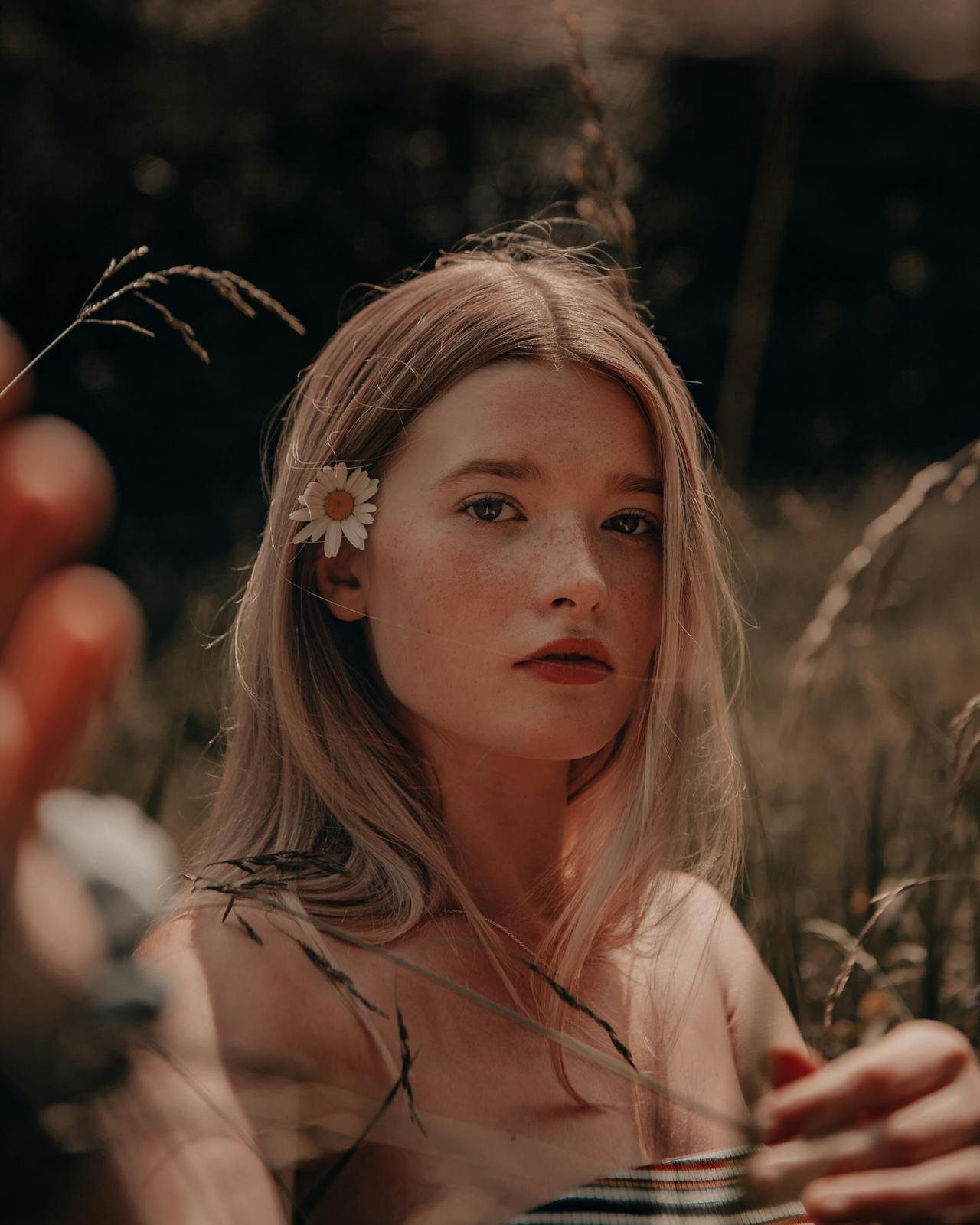
  • 世界各地最佳野花草甸旅遊指南

    野花草甸是大自然中最迷人且充滿生機的景觀之一。這些季節性的奇觀提供了色彩、香氣和生物多樣性的壯麗展示。無論您是大自然愛好者、攝影師,還是僅僅想體驗大自然的美麗,以下是世界各地您應該考慮造訪的最佳野花草甸指南。

    1. 荷蘭:庫肯霍夫花園

    • 地點:荷蘭利塞(Lisse)

    • 最佳訪問時間:四月中到五月

    庫肯霍夫花園,又被稱為「歐洲花園」,是世界上最壯觀的野花展示之一。雖然它以郁金香聞名,但周圍的廣大花田裡也滿是各種各樣的野花,無論是色彩斑斕的郁金香還是其他盛開的花朵,總是為遊客提供一場視覺上的盛宴。每年春天的庫肯霍夫節慶是最理想的參觀時機,數百萬朵郁金香在此齊放,繽紛如畫。

    2. 美國:羚羊谷加利福尼亞罌粟保護區

    • 地點:美國加利福尼亞州蘭卡斯特

    • 最佳訪問時間:三月到五月

    位於加州沙漠中的羚羊谷加利福尼亞罌粟保護區,是美國最令人驚嘆的野花景觀之一,特別以加利福尼亞罌粟花著稱。每年春天,這片土地會轉變為金黃的罌粟海,並與其他野花如毛地黃、報春花和金盞花共同綻放。保護區內設有多條徒步小徑,讓遊客可以在充滿色彩的花海中漫步,是拍攝和親近大自然的理想之地。

    3. 英國:科茨沃爾德野花草甸

    • 地點:英格蘭格洛斯特郡

    • 最佳訪問時間:五月底到六月

    科茨沃爾德,作為英格蘭一個美麗的自然保護區,以其如畫的村莊、起伏的丘陵和廣闊的野花草甸而聞名。這一地區的草甸生長著大量的本地野花,包括蘭花、毛地黃和雛菊等。無論您是走在科茨沃爾德小徑,還是參觀當地的自然保護區,都能沉浸於這片多變的花卉景觀中,並享受悠閒的鄉村氛圍。

    4. 澳大利亞:格蘭屏國家公園

    • 地點:澳大利亞維多利亞州

    • 最佳訪問時間:九月到十一月

    澳大利亞的格蘭屏國家公園是野花愛好者的天堂。這裡擁有超過900種野花,是該國生物多樣性最豐富的區域之一。從精緻的蘭花到鮮豔的金合歡花和野豌豆,格蘭屏擁有豐富的花卉景觀。春天過後,這些野花會在公園內的多條徒步徑旁悄然綻放,是親近自然和拍攝美景的完美場所。

    5. 瑞士:瑞士阿爾卑斯山草甸

    • 地點:瑞士多個地區

    • 最佳訪問時間:六月到八月

    瑞士的阿爾卑斯山不僅以其壯麗的山脈聞名,也以其美麗的野花草甸著稱。這些草甸分佈在各個山谷中,夏季時分會綻放出五彩斑斕的花卉。您可以在日內瓦湖區、采爾馬特和恩甘丁山谷等地徒步旅行,欣賞高山上豐富的野花,如高山紫菀、雪蓮和龍膽花等。這些草甸將花卉之美與壯麗的阿爾卑斯山脈相結合,是一個獨特的旅遊景點。

    6. 新西蘭:提阿瑙盆地

    • 地點:菲奧德蘭,新西蘭

    • 最佳訪問時間:十一月到一月

    新西蘭南島的提阿瑙盆地以其寬闊的野花草甸而聞名,特別是在新西蘭的夏季。這裡擁有多種本地花卉,包括蘭花、雛菊和草甸草等。草甸被壯麗的山脈和峽灣環繞,為喜愛攝影和戶外活動的旅客提供了一個完美的背景。這個地區屬於菲奧德蘭國家公園,是聯合國教科文組織世界遺產,也是大自然愛好者的天堂。

    7. 阿根廷:巴塔哥尼亞野花草甸

    • 地點:阿根廷南部

    • 最佳訪問時間:十二月到二月

    巴塔哥尼亞,這個以其崎嶇地形和壯麗景觀著稱的地方,擁有南美最迷人的野花草甸之一。在南半球的夏季(十二月到二月),這片區域的草甸被鮮豔的野花所覆蓋,像是勿忘我、罌粟和野雛菊等。這些野花生長在安第斯山脈的陰影下,與周圍的山脈相輝映,營造出一個迷人的景象。巴塔哥尼亞的地理特徵使這些草甸保持著原始的狀態,是大自然愛好者的理想之地。

    8. 南非:納馬夸蘭

    • 地點:南非北開普省

    • 最佳訪問時間:八月到九月

    南非的納馬夸蘭以其「超級開花」現象而聞名,每年這片沙漠區域會轉變為一片花海。這一景象通常出現在該區域獲得足夠降水後,數百萬朵花卉一同綻放,形成一片五彩斑斕的畫卷。最著名的花卉是納馬夸雛菊,但遊客還可以看到其他本地花卉,如巴格納花、苔蘚和海螺花等。最佳觀賞時間通常是在南非的冬末春初(八月到九月),這時花朵最為茂盛。

    9. 加拿大:班夫國家公園

    • 地點:加拿大阿爾伯塔省

    • 最佳訪問時間:六月到八月

    班夫國家公園位於加拿大的阿爾伯塔省,以其清澈的湖泊和雄偉的山脈而著稱,但它同樣擁有許多美麗的野花草甸。這些高山草甸充滿了各種野花,如火焰花、狼毒花和印度畫筆花等。夏季時,這些花卉會綻放,與周圍的洛磯山脈共同構成一幅壯麗的景象。遊客可以沿著像是露易絲湖和莫雷恩湖的步道,穿越這些盛開的草甸,感受大自然的寧靜與美麗。

    10. 日本:北海道花卉草甸

    • 地點:日本北海道

    • 最佳訪問時間:六月到七月

    日本的北海道是野花草甸的另一個美麗目的地。每年夏季,富良野等地的草甸會開滿色彩斑斕的野花,如罌粟、龍膽花和薰衣草等。北海道的涼爽氣候和山地背景為這些野花提供了理想的生長條件,使這裡成為拍攝花卉和大自然美景的最佳地點。

    無論是穿越巴塔哥尼亞的廣闊草甸,還是在科茨沃爾德的花田中漫步,世界各地的野花草甸都提供了令人驚艷且寧靜的景觀。每個地方都有其獨特的花卉展示和自然魅力,成為熱愛大自然和攝影的旅客的理想去處。那麼,收拾好行李,拿起相機,計劃您的下一次野花之旅,去探索這些無與倫比的花卉天堂吧!

  • The Best Wildflower Meadows Around the World to Visit

    Wildflower meadows are among nature’s most vibrant and captivating landscapes. These seasonal wonders provide a spectacular display of colors, fragrances, and biodiversity. Whether you’re a nature lover, photographer, or simply looking to experience the beauty of the great outdoors, here’s a Hong Kong florist guide to the best wildflower meadows around the world that you should consider visiting.

    1. The Netherlands: Keukenhof Gardens

    • Location: Lisse, Netherlands

    • Best Time to Visit: Mid-April to May

    Keukenhof Gardens, also known as the “Garden of Europe,” is home to some of the world’s most stunning wildflower displays. While it’s primarily known for its tulips, the expansive fields surrounding the garden are filled with a variety of wildflowers in every color imaginable. This is the perfect place for flower lovers to wander and enjoy the artistry of nature. It’s a must-see during the annual Keukenhof Festival, when millions of tulips bloom, creating a rainbow of color.

    2. United States: Antelope Valley California Poppy Reserve

    • Location: Lancaster, California, USA

    • Best Time to Visit: March to May

    Nestled in the California desert, Antelope Valley is home to one of the most breathtaking wildflower blooms in the United States: the California poppy. During the spring season, this area transforms into a golden sea of orange poppies, alongside other wildflowers such as lupines, primroses, and coreopsis. The reserve features several hiking trails that allow visitors to immerse themselves in the vibrant beauty of this desert meadow. The reserve’s gentle rolling hills make it an excellent spot for photography and nature walks.

    3. United Kingdom: Cotswolds Wildflower Meadows

    • Location: Gloucestershire, England

    • Best Time to Visit: Late May to June

    The Cotswolds, an Area of Outstanding Natural Beauty (AONB) in England, is known for its picturesque villages, rolling hills, and expansive wildflower meadows. The meadows in this region are teeming with native wildflowers, including orchids, buttercups, and ox-eye daisies. Whether you are walking along the Cotswold Way or visiting the many local nature reserves, the region offers a peaceful escape into nature with beautiful floral displays that change with the seasons. A visit here offers not just wildflowers, but an idyllic English countryside experience.

    4. Australia: Grampians National Park

    • Location: Victoria, Australia

    • Best Time to Visit: September to November

    Australia’s Grampians National Park is a haven for wildflower enthusiasts. Located in the state of Victoria, this region boasts over 900 species of wildflowers, making it one of the country’s most biologically diverse areas. From delicate orchids to brilliant wattles and wild peas, the Grampians are home to a kaleidoscope of wildflowers. The meadows come alive in spring, especially after the region’s winter rains. Visitors can hike along the many trails, such as the Pinnacle Walk or the Wonderland Loop, to witness these spectacular blooms in their natural habitat.

    5. Switzerland: Swiss Alps Meadows

    • Location: Various regions in Switzerland

    • Best Time to Visit: June to August

    The Swiss Alps are not only famous for their dramatic peaks but also for their stunning wildflower meadows. These meadows, spread across various mountain valleys, are a riot of color during the summer months. You’ll find alpine asters, edelweiss, and gentians dotting the landscape. Hiking trails in regions like the Jungfrau, Zermatt, and the Engadine Valley will take you through these pristine meadows, offering breathtaking views of both the flowers and the surrounding mountains. These meadows provide a unique blend of high-altitude floral beauty with a serene alpine environment.

    6. New Zealand: Te Anau Basin

    • Location: Fiordland, New Zealand

    • Best Time to Visit: November to January

    In New Zealand’s South Island, the Te Anau Basin is renowned for its wide-open meadows filled with wildflowers in the summer months. The region’s cool, temperate climate supports a variety of species, including native orchids, daisies, and tussock grasses. The meadows are framed by dramatic mountains and fjords, making this a prime location for outdoor enthusiasts who want to combine wildflower viewing with hiking and photography. This stunning destination is part of Fiordland National Park, which is a UNESCO World Heritage Site, and offers a pristine, unspoiled environment.

    7. Argentina: Patagonian Wildflower Meadows

    • Location: Southern Argentina

    • Best Time to Visit: December to February

    Patagonia, with its rugged terrain and stunning landscapes, is home to some of the most picturesque wildflower meadows in South America. During the Southern Hemisphere’s summer months (December to February), fields of vibrant wildflowers such as forget-me-nots, poppies, and wild daisies blanket the region. The wildflowers grow in the shadow of the towering Andes Mountains, and the sweeping meadows provide an ethereal atmosphere. Patagonia’s unique geography means these wildflower meadows are relatively untouched and offer an authentic wilderness experience.

    8. South Africa: Namaqualand

    • Location: Northern Cape, South Africa

    • Best Time to Visit: August to September

    Namaqualand, located in South Africa’s Northern Cape, is famous for its “superbloom,” where vast stretches of desert transform into a wildflower paradise. This event happens once a year, after the region receives enough rainfall. The landscape becomes blanketed with millions of flowers in hues of orange, yellow, purple, and white. The most famous flower is the Namaqua daisy, but visitors will also see a mix of other native species like vygies, fynbos, and mesembryanthemums. The best time to visit is typically late winter and early spring (August to September), when the wildflower display is at its peak.

    9. Canada: Banff National Park

    • Location: Alberta, Canada

    • Best Time to Visit: June to August

    Banff National Park in Alberta, Canada, is famous for its crystal-clear lakes and towering mountains, but it’s also home to a wealth of wildflower meadows. The alpine meadows, located at higher elevations, are filled with species like the vibrant fireweed, lupines, and Indian paintbrush. The wildflowers are especially stunning during the summer months when they bloom against the backdrop of the rugged Rockies. Exploring trails like the Lake Louise and Moraine Lake areas will lead you through lush, flower-filled meadows that are perfect for nature lovers and photographers alike.

    10. Japan: Hokkaido Flower Meadows

    • Location: Hokkaido, Japan

    • Best Time to Visit: June to July

    Hokkaido, Japan’s northernmost island, is known for its beautiful wildflower meadows. During late spring and early summer, fields of wildflowers such as poppies, lupines, and lavender bloom in spectacular arrays of color. The meadows of Furano, in particular, are a popular destination for flower lovers, offering endless fields of lavender and other seasonal flowers. The stunning combination of flowers with Hokkaido’s cool climate and mountainous backdrop makes it one of the most picturesque spots to visit for a wildflower experience in Asia.

    Whether you’re hiking through the vast meadows of Patagonia or wandering the flower-filled hills of the Cotswolds, wildflower meadows around the world offer some of the most beautiful and serene landscapes nature has to offer. Each of these locations provides a unique experience, filled with local flora, biodiversity, and natural beauty. So, pack your bags, grab your camera, and plan your next adventure to one of these wildflower paradises for a trip you’ll never forget!

  • The Dark Past of Valentine’s Day: A Historical Guide

    Valentine’s Day is widely celebrated as a day of love, affection, and romantic gestures. From red roses and heart-shaped chocolates to grand declarations of love, the modern version of the holiday has become synonymous with romance. However, the origins and evolution of Valentine’s Day are not all light and sweet. Beneath the surface, this holiday has a dark and complex past tied to ancient rituals, bloody legends, and commercialization. Here’s a florist guide to how Valentine’s Day’s history includes some much darker moments.

    1. The Origins in Roman Pagan Festivals

    The origins of Valentine’s Day trace back to ancient Roman times, where it was linked to a pagan festival known as Lupercalia. Celebrated in mid-February, Lupercalia was a fertility festival honoring the Roman gods Lupercus and Faunus, as well as the legendary she-wolf that raised Romulus and Remus, the founders of Rome.

    During the festival, priests would sacrifice goats and a dog, and then use the animals’ skins to whip women, which was believed to enhance fertility. Women would line up willingly for this ritual, and it was said to promote health, fertility, and even love. This was hardly a romantic celebration as we think of today, and rather an intense, sometimes violent, expression of fertility.

    2. The Martyrdom of St. Valentine

    While the holiday is named after St. Valentine, there are multiple accounts of early Christian martyrs named Valentine, and little is known for sure about their lives. According to one popular legend, Valentine was a Roman priest who secretly performed marriages for young lovers during a time when the emperor, Claudius II, banned marriages for young men. Claudius believed that single men made better soldiers, so he outlawed marriages to keep his military strong. Valentine’s defiance led to his arrest, torture, and eventual execution on February 14th.

    Valentine’s execution wasn’t a romantic or peaceful affair—his refusal to abandon his beliefs in love and commitment led to a gruesome death. In other accounts, Valentine was tortured for trying to spread Christianity in a pagan society. Regardless of the exact details, his death marked a bloody chapter of defiance against a cruel emperor and societal repression.

    3. The “Valentine’s Massacre” and Bloody Celebrations

    In medieval and Renaissance times, the celebration of Valentine’s Day took a more unsettling form. The Valentine’s Massacre in 1418 is one example, which occurred in France, where the Duke of Orléans was imprisoned after his capture during the Hundred Years’ War. A popular tradition in France involved drawing lots to choose a “Valentine,” often a young woman who would be wooed or pursued, sometimes violently.

    In some cases, those who were selected would be forced into marriage or relationships, reflecting how love was sometimes treated as a mere transaction or political tool. This dark side of Valentine’s traditions was marked by coercion and power dynamics rather than mutual affection.

    4. Commercialization and the Dark Side of Modern Valentine’s Day

    In today’s world, Valentine’s Day is often associated with extravagant gifts, lavish dinners, and expensive experiences, thanks to powerful marketing campaigns from the 19th century onwards. However, this commercialization has a dark side that revolves around the exploitation of love and affection for profit.

    In the 1800s, greeting card companies began mass-producing Valentine’s cards, encouraging people to buy rather than handwrite personal messages of love. The commercialization has only grown in the following decades, leading to a culture of materialism surrounding the holiday. The pressure to spend money on gifts or meet unrealistic standards of romance has caused stress, financial strain, and a sense of inadequacy for many people.

    Moreover, the commercialization of Valentine’s Day has often excluded people who don’t fit the traditional romantic mold, including those who are single, those who are LGBTQ+, and those who don’t participate in consumer-driven love celebrations. The holiday can often feel like an obligation rather than a celebration of genuine connection.

    5. Exclusion of Marginalized Groups

    While the holiday is now seen as a time to celebrate love in all its forms, its history has not been kind to many marginalized communities. For centuries, LGBTQ+ people faced persecution and violence for their love in many parts of the world, including during the reign of Emperor Claudius in Rome. The celebration of heterosexual love on Valentine’s Day, while lovely for many, can inadvertently serve as a reminder of exclusion for those in the LGBTQ+ community, especially during times when same-sex relationships were illegal or considered taboo.

    Even in more recent years, the notion of “Valentine’s Day as a Day for Everyone” has been slow to take hold in some parts of the world, where those who do not conform to traditional relationship norms feel excluded. The idea of “love” being narrowly defined, often commercialized, has made Valentine’s Day a source of pain for many who do not fit into its conventional parameters.

    6. The Role of Consumerism and Gender Expectations

    While many people enjoy giving and receiving gifts, Valentine’s Day is also riddled with gender expectations that often place the burden of celebration on one partner, typically the male. The pressure on men to buy expensive gifts or plan romantic gestures can create financial stress, while women often feel obligated to reciprocate in some way. The commercialization of romance also plays into rigid gender roles, where “love” is symbolized through specific types of gifts, such as jewelry, flowers, or chocolates.

    For those who don’t conform to traditional gender roles or romantic expectations, Valentine’s Day can be a day full of alienation or frustration. The message that love needs to be expressed through material means reinforces the idea that relationships can be commodified.

    7. The Psychological Impact of Unrealistic Expectations

    Valentine’s Day, with its focus on perfect romance and grand gestures, can lead to feelings of inadequacy and disappointment. In a world of social media filters, idealized advertisements, and portrayals of “perfect couples,” many individuals experience unrealistic expectations on how love should look. When reality falls short of these expectations, feelings of loneliness, frustration, and low self-esteem can arise.

    This dark aspect of Valentine’s Day can affect individuals who are single, those in non-traditional relationships, or even those in relationships where there are high expectations to live up to. Rather than a genuine expression of love, the holiday often becomes a stressful reminder of what people feel they “should” be doing.

    Reclaiming the Meaning of Valentine’s Day

    While Valentine’s Day has undeniably dark roots and has been commercialized into a stress-inducing occasion, it’s also important to recognize that it can be reclaimed. The core message of love, in all its forms, still holds relevance and can be celebrated in more meaningful ways. By moving away from materialism, focusing on genuine connections, and embracing a more inclusive definition of love, we can honor both the complex history and the true spirit of this day.

    Valentine’s Day doesn’t have to be a reminder of historical bloodshed or societal pressures—it can be an opportunity to reflect on personal growth, compassion, and the love that transcends all boundaries.

  • 全球 LGBTQ+ 社群的情人節慶祝方式

    情人節是全球共同慶祝的愛情節日,對 LGBTQ+ 社群而言,這一天更是展現愛與驕傲的重要時刻。儘管世界各地的文化和法律環境不同,LGBTQ+ 群體仍以獨特的方式慶祝這一天,從包容性的派對到同性求婚儀式,以下是 LGBTQ+ 社群在世界各地如何度過 2 月 14 日的浪漫時刻。

    1. 美國 —— 驕傲風格的情人節派對

    在紐約、舊金山和洛杉磯等 LGBTQ+ 友善城市,許多酒吧、俱樂部和社區中心會舉辦特別的情人節活動,包括變裝秀、酷兒(Queer)快速約會、主題舞會等。此外,許多 LGBTQ+ 伴侶會選擇在這一天求婚或公開慶祝愛情,尤其是在同性婚姻合法的州份。

    2. 英國 —— 浪漫晚餐與愛的公開表達

    英國對 LGBTQ+ 權利的支持度較高,因此許多同性伴侶會像異性伴侶一樣,在情人節享受燭光晚餐、交換禮物,並參與酷兒友善的活動。倫敦、曼徹斯特和布萊頓等城市的 LGBTQ+ 友善場所會舉辦特別的情人節體驗,例如歌舞表演、詩歌朗誦會和浪漫派對。

    3. 加拿大 —— 冬季驕傲與愛之慶典

    在加拿大,情人節通常與 冬季驕傲節(Winter Pride)同時進行,特別是在惠斯勒(Whistler)等地,LGBTQ+ 伴侶可以在浪漫的雪景中共度佳節。此外,許多 LGBTQ+ 組織也會藉此機會舉辦包容性的活動,如慈善舞會、同性舞蹈之夜和驕傲主題的情人節市集。

    4. 德國 —— LGBTQ+ 電影放映與多元愛情故事

    德國擁有充滿活力的 LGBTQ+ 社群,在情人節期間,許多城市會舉辦酷兒友善的電影放映會、藝術展覽和社區活動。柏林以其進步的氛圍和 LGBTQ+ 夜生活聞名,許多夜店和酒吧會舉行情人節主題派對,讓同性伴侶和單身者都能在包容的空間中慶祝愛情。

    5. 荷蘭 —— 阿姆斯特丹的婚禮與浪漫運河遊

    荷蘭是全球第一個將同性婚姻合法化的國家,因此許多 LGBTQ+ 伴侶選擇在情人節結婚或訂婚,特別是在阿姆斯特丹。當地還有浪漫的運河遊船晚宴和 LGBTQ+ 友善的餐廳,讓情侶能夠度過難忘的節日。

    6. 泰國 —— 同性祝福儀式與酷兒愛情活動

    泰國是 LGBTQ+ 旅行者的熱門目的地,每年 2 月 14 日,曼谷和清邁等城市都會舉辦多種酷兒友善的活動。儘管同性婚姻尚未合法,一些佛教寺廟仍會為 LGBTQ+ 伴侶提供象徵性的祝福儀式。此外,當地的 LGBTQ+ 酒吧和夜店也會舉辦情人節主題的派對和表演。

    7. 日本 —— 微妙但有意義的酷兒浪漫表達

    在日本,情人節傳統上是女性送巧克力給男性的日子,但 LGBTQ+ 群體已將這一習俗變得更加多元化。許多同性伴侶會互送巧克力和禮物,而 LGBTQ+ 倡導團體則會利用這一天推動同性婚姻合法化。東京的新宿二丁目作為日本的 LGBTQ+ 熱點,也會舉辦各種情人節主題派對和社交活動。

    8. 巴西 —— 嘉年華與 LGBTQ+ 情人節狂歡

    巴西的官方情人節(「戀人節」)是在 6 月 12 日,但許多 LGBTQ+ 伴侶仍會在 2 月 14 日慶祝愛情,特別是在聖保羅和里約熱內盧等城市。這段時間常與嘉年華重疊,讓 LGBTQ+ 情人節變得更加熱鬧,街頭充滿色彩繽紛的派對、遊行和變裝表演。

    9. 南非 —— 浪漫慶典與愛情倡議

    南非是非洲第一個將同性婚姻合法化的國家,許多 LGBTQ+ 伴侶會在情人節參與浪漫旅行,如前往開普敦的酒莊或海灘度假。許多 LGBTQ+ 權利組織也會在這一天舉辦活動,慶祝愛情的同時,提升對非洲其他地區 LGBTQ+ 權利議題的關注。

    10. 印度 —— 挑戰社會觀念的愛情慶典

    自 2018 年印度正式將同性戀非刑事化後,LGBTQ+ 伴侶在情人節慶祝愛情的方式變得更加公開。儘管社會上仍存有保守勢力,但孟買、德里和班加羅爾等大城市開始出現 LGBTQ+ 友善的派對、詩歌朗誦會和其他文化活動。此外,一些 LGBTQ+ 倡導者會利用情人節推動同性婚姻合法化的議題。

    情人節是表達愛意的日子,而 LGBTQ+ 社群在世界各地以不同的方式慶祝這個特別的時刻。雖然有些國家已完全接受並支持 LGBTQ+ 權利,但仍有許多地方的酷兒群體仍在為平等而奮鬥。無論是透過盛大的慶典、私密的浪漫時刻,還是透過社會倡議活動,這一天傳達的訊息始終不變:愛就是愛,值得被慶祝

  • Valentine’s Day Celebrations in the LGBTQ+ Community Around the World

    Valentine’s Day is a universal celebration of love, and for the LGBTQ+ community, it serves as an opportunity to embrace and express love openly, despite cultural and legal differences across the globe. From inclusive festivals to same-sex marriage proposals, here’s how the LGBTQ+ community celebrates February 14th in different parts of the world.

    1. United States – Pride-Inspired Valentine’s Events

    In major cities like New York, San Francisco, and Los Angeles, LGBTQ+-friendly bars, clubs, and community centers host special Valentine’s Day events, including drag shows, queer speed dating, and themed dance parties. Many LGBTQ+ couples also take this opportunity to propose or celebrate their love publicly, especially in states where same-sex marriage has been legalized.

    2. United Kingdom – Romantic Dinners & Public Displays of Love

    The UK, with its progressive stance on LGBTQ+ rights, sees many same-sex couples celebrating Valentine’s Day just like any other couple—enjoying candlelit dinners, exchanging gifts, and participating in queer-friendly events. In cities like London, Manchester, and Brighton, LGBTQ+-inclusive venues offer special Valentine’s experiences, from cabaret shows to poetry readings.

    3. Canada – Winter Pride & Love Celebrations

    Valentine’s Day in Canada often coincides with Winter Pride events in places like Whistler, where LGBTQ+ couples can enjoy snow-filled romantic getaways. Many LGBTQ+ organizations also use the occasion to promote inclusivity and love, hosting events such as charity galas, same-sex dance nights, and pride-themed Valentine’s markets.

    4. Germany – LGBTQ+ Film Screenings & Inclusive Love Stories

    Germany, home to a vibrant LGBTQ+ community, celebrates Valentine’s Day with queer-friendly film screenings, art exhibitions, and community-led events. Berlin, known for its progressive stance and LGBTQ+ nightlife, hosts special Valentine’s parties where same-sex couples and singles can enjoy a welcoming space to celebrate love in all its forms.

    5. Netherlands – Marriage Celebrations in Amsterdam

    As one of the first countries to legalize same-sex marriage, the Netherlands is an ideal place for LGBTQ+ couples to tie the knot on Valentine’s Day. Amsterdam, known for its inclusivity, sees many LGBTQ+ couples getting engaged or celebrating anniversaries on this day, often with romantic canal boat rides or dinner at LGBTQ+-friendly restaurants.

    6. Thailand – Same-Sex Blessings & Queer Love Events

    Thailand, a popular LGBTQ+ travel destination, embraces Valentine’s Day with various queer-friendly events, especially in cities like Bangkok and Chiang Mai. Although same-sex marriage is not yet legal, Buddhist monks in some temples offer symbolic blessings for LGBTQ+ couples. Many local LGBTQ+ bars and clubs also hold love-themed celebrations.

    7. Japan – Subtle yet Meaningful Expressions of Queer Love

    In Japan, Valentine’s Day is traditionally celebrated with women giving chocolates to men, but the LGBTQ+ community has adapted this custom to be more inclusive. Many same-sex couples exchange chocolates and romantic gifts, while LGBTQ+ advocacy groups use the occasion to push for greater legal recognition of same-sex relationships. Tokyo’s Shinjuku Ni-chōme, the city’s LGBTQ+ district, also hosts themed parties and events.

    8. Brazil – Carnival & LGBTQ+ Valentine’s Festivities

    In Brazil, Valentine’s Day (Dia dos Namorados) is officially celebrated in June, but February 14th is still an occasion for LGBTQ+ couples to express their love, particularly in cities like São Paulo and Rio de Janeiro. With Carnival often coinciding with this time, LGBTQ+ couples enjoy vibrant parties, parades, and drag performances, making Valentine’s Day an energetic and celebratory affair.

    9. South Africa – Love Celebrations Amid Activism

    As the first African country to legalize same-sex marriage, South Africa sees LGBTQ+ couples celebrating Valentine’s Day in a variety of ways, from romantic getaways in Cape Town to activism-focused events promoting LGBTQ+ rights. Many same-sex couples use the day to celebrate love while continuing the fight for equality across the continent.

    10. India – A Celebration of Love Despite Challenges

    Following the decriminalization of homosexuality in 2018, Valentine’s Day has become a more open celebration for LGBTQ+ couples in India. While conservative attitudes still persist, metropolitan cities like Mumbai, Delhi, and Bangalore host LGBTQ+-friendly parties, poetry readings, and public displays of affection in progressive spaces. Some activists also use Valentine’s Day to advocate for same-sex marriage rights.

    Valentine’s Day is a time for love, and the LGBTQ+ community around the world celebrates it in diverse and unique ways. While some countries embrace full marriage rights and open expressions of love, others continue to fight for recognition and equality. Whether through grand romantic gestures, vibrant queer parties, or advocacy events, the message remains the same: love is love, and it deserves to be celebrated everywhere.

  • 全球花店如何迎接 2025 年情人節

    情人節是全球花店一年中最繁忙的時期之一,對鮮花的需求——特別是玫瑰——飆升。這個年度浪漫節日對花卉產業影響重大,通常占據全年銷售額的很大一部分。然而,隨著 2025 年的臨近,花店正面臨獨特的挑戰,並適應新的趨勢,以確保業務在這個重要節日取得成功。

    供應鏈挑戰與成本上升

    花卉產業正面臨供應鏈中斷的問題,導致玫瑰等熱門鮮花的成本上升。物流問題、勞動力短缺和運輸延誤已推高價格,使得花店在進貨時面臨更高成本。許多花商正積極與供應商合作,提前確保貨源,同時努力控制成本,以維持市場競爭力。

    戰略合作與創新產品

    為了提高便利性並吸引更多顧客,許多花店與外送平台(如 DoorDash 和 Uber Eats)合作,提供即時或當日送花服務。此外,一些公司推出創意禮品組合,例如將鮮花與精選巧克力、早餐套餐或高級香氛蠟燭搭配,為顧客提供更個性化和奢華的選擇。

    採納最新花藝趨勢

    消費者對情人節鮮花的喜好正在改變。雖然經典的紅玫瑰仍然是熱門選擇,但越來越多顧客選擇獨特的花卉組合,例如野花、柔和色調或意想不到的配色方案。可持續花藝也日益受到關注,許多顧客更偏好本地種植的花卉、環保包裝,以及可生物降解的花泥替代品。

    幕後的精心準備

    花店為情人節的準備工作往往長達數月,從全球供應商處預訂鮮花,以確保品質與貨源充足。鮮花到店後需進行處理與水養,以確保保持最佳狀態,然後由花藝師精心設計成各式花束。同時,行銷團隊會透過線上平台、社群媒體與實體店面促銷情人節特別款式,吸引更多消費者。

    消費趨勢與市場影響

    儘管經濟環境存在不確定性,消費者仍願意在情人節花費,以傳達愛意。許多人願意支付更高價格,以購買高品質的花束,使這個節日成為花店的重要收入來源。在許多國家,鮮花消費預計將創下新高,反映出鮮花作為愛與浪漫象徵的持續吸引力。

    隨著全球花店迎接 2025 年情人節,他們正積極應對供應鏈挑戰、採納新消費趨勢,並運用科技來滿足不斷增長的需求。無論是創新的配送方式、環保花藝,還是富有創意的花卉設計,花卉產業正不斷進化,以確保情人節依舊是顧客心中特別且難忘的日子。