SAME DAY DELIVERY ORDER BY 1PM – 30% off code: FLORISTRY30

Flowers

inspired

by the

Wild.

Category: Journal

  • Wilderness-Inspired Love

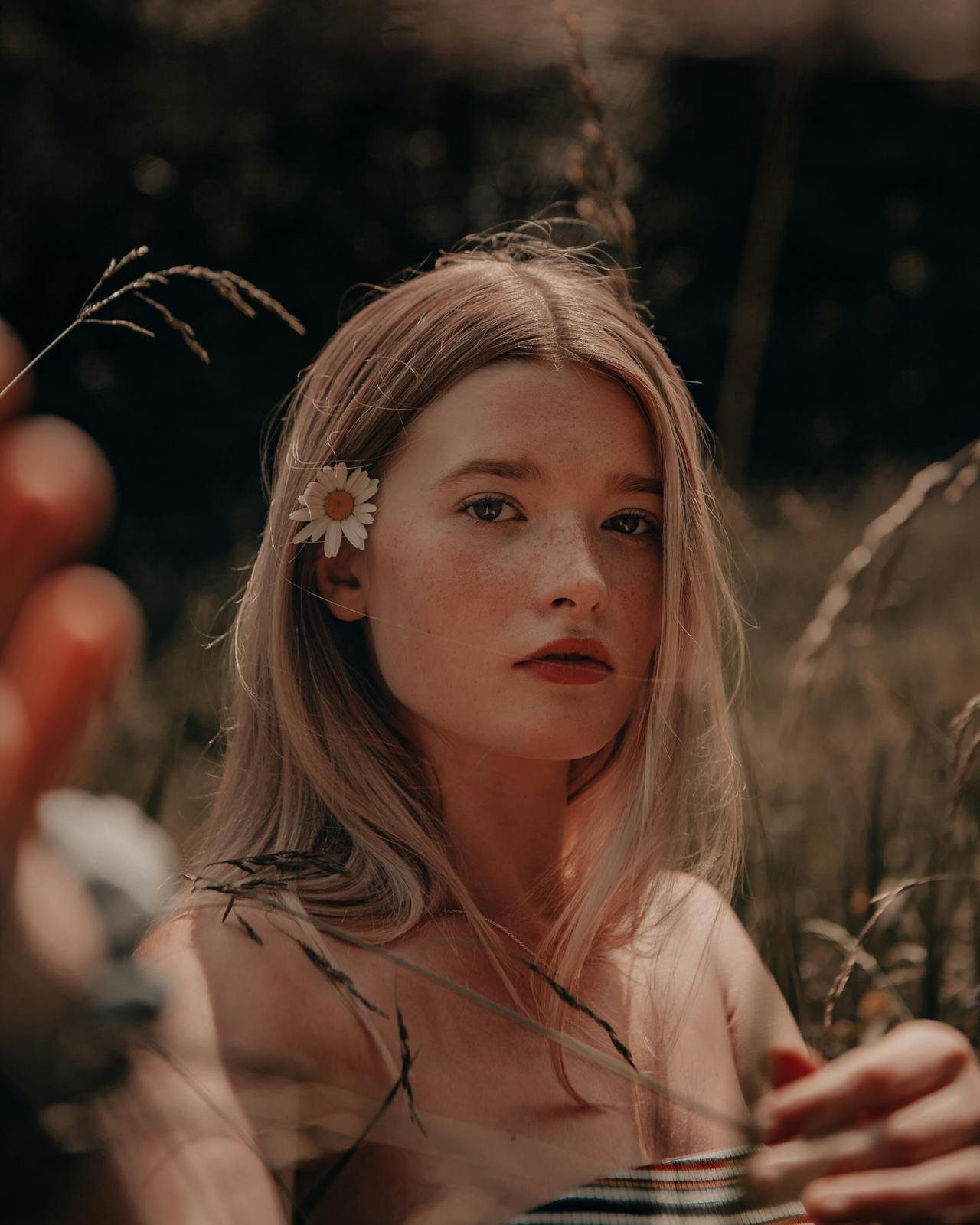
    Love stories set against the backdrop of the wilderness have a unique allure, where the wild and untamed elements of nature are not only a setting but a metaphor for the emotions, struggles, and transformations of the characters involved. These narratives often showcase love’s raw, elemental power—its ability to thrive or falter in the face of adversity, freedom, and isolation. Below is a Floristry guide to understanding the themes, dynamics, and literary works that embrace wilderness-inspired love.

    1. Wilderness as a Metaphor for Emotional Landscape

    In many wilderness-themed love stories, nature mirrors the emotional intensity and complexity of the characters’ relationships. The isolation and unpredictability of the wild often reflect the unknown aspects of love—its potential for beauty but also for destruction.

    • Example: In Wuthering Heights by Emily Brontë, the remote Yorkshire moors are a powerful metaphor for Heathcliff and Catherine’s turbulent, passionate relationship. The harshness and desolation of the landscape echo the destructive intensity of their love.

    2. Love in Isolation

    The wilderness often provides characters with a space of solitude, where love blooms away from the pressures of society. This isolation forces the lovers to confront each other in an unfiltered way, removing distractions and allowing for deeper emotional connections or heightened conflict.

    • Example: In The Call of the Wild by Jack London, Buck, a domesticated dog turned wild, experiences a love for his primal existence that transcends human affection. Similarly, humans who venture into nature can find their bond with the wilderness—and sometimes with each other—strengthened in ways they never imagined in civilization.

    3. Survival and Transformation

    Love stories set in wilderness environments often intertwine with survival narratives. Love becomes a force that can either help characters endure hardship or be tested by it. The wilderness forces transformation, as characters are stripped down to their essential selves, which can either help their love flourish or drive them apart.

    • Example: In The Secret Garden by Frances Hodgson Burnett, the characters’ emotional growth and healing mirror the revitalization of the wild garden they cultivate together. The wilderness environment fosters not only physical growth but also the nurturing of love and companionship.

    4. Conflict Between Nature and Civilization

    Wilderness love stories often juxtapose the call of nature against the constraints of civilized society. The wilderness represents freedom, raw emotion, and authenticity, while civilization represents structure, duty, and often repressed desires. Lovers in these stories may struggle with reconciling their love for one another with the pressures of societal expectations.

    • Example: In Into the Wild by Jon Krakauer, Chris McCandless seeks escape from society to immerse himself in the Alaskan wilderness. His journey ultimately becomes one of self-discovery, but it also reflects the tension between societal expectations and the yearning for unbridled freedom, a tension that can often define love in nature.

    5. The Power of Untamed Beauty

    In literature, wilderness love stories often use the natural world as a catalyst for awakening the senses. The beauty, danger, and unpredictability of the wild can inspire profound emotional responses, deepening the connection between lovers. Nature is both a lover and a rival, a place of beauty that offers both reward and danger.

    • Example: In The Wilds by Julia Kelly, two characters meet in the remote Scottish Highlands, and the rugged terrain enhances their bond. The wilderness isn’t just a setting, it’s an integral part of the emotional experience—its challenges force the characters to find strength in each other.

    6. Rejection of Conventional Norms

    In many wilderness love stories, characters abandon or reject the constraints of conventional norms to live freely in the natural world. Love becomes a rebellion against social or familial expectations, and the wilderness offers a space where lovers can define their relationship on their own terms.

    • Example: The Song of the Lark by Willa Cather illustrates a young woman’s struggle between her artistic aspirations and her personal life, where the wilderness represents an escape from the confines of society’s expectations. In the wild, she finds not just her own strength, but the possibility of love that transcends ordinary life.

    7. Love Between Humans and Nature

    In some wilderness love stories, the bond between characters and nature itself forms the crux of the narrative. Here, the love story isn’t just between two people; it’s a love story between humans and the wild world. This reflects a deeper, spiritual connection to the environment.

    • Example: In My Ántonia by Willa Cather, the landscape itself plays a central role in the story of Ántonia and Jim. Their bond with the land and its natural elements represents a profound love, rooted not just in human affection but in their connection to the earth itself.

    8. Symbolism of the Wilderness

    Nature is rich with symbolism in love stories. The wilderness can represent freedom, danger, rebirth, and even death. It can serve as both a sanctuary and a crucible, where relationships are forged in the fire of challenges and transformed into something new.

    • Example: The Beach by Alex Garland uses the isolation of an idyllic, remote island to create a sense of utopia that is ultimately shattered. The wilderness represents the allure of freedom and paradise but also the dangers of escapism and obsession.

    Wilderness-inspired love in literature offers a rich landscape for exploring the raw, elemental aspects of human relationships. Nature serves not just as a backdrop but as a powerful force that shapes and challenges love. These stories invite readers to reflect on the complexities of connection, survival, and transformation, showing that love, much like nature itself, is unpredictable, beautiful, and sometimes wild.

    The wilderness is both a sanctuary and a battleground where lovers discover not only each other but themselves. Whether through isolation, transformation, or the clash of civilization and the wild, these love stories remind us of the untamed, transformative power of both nature and the human heart.

  • How Flowers Symbolize Luck and Love for the Lunar New Year

    Flowers are an integral part of Lunar New Year celebrations, and their symbolism plays a significant role in the customs, traditions, and well-wishes of this festive time. Flowers are often associated with bringing luck, prosperity, and love into the coming year. Here’s a Hong Kong Florist guide to understanding the various flowers that are commonly seen during the Lunar New Year and the meanings they carry:

    1. Peony: The Flower of Wealth and Prosperity

    • Symbolism: The peony is often referred to as the “king of flowers” in Chinese culture. It represents wealth, prosperity, and good fortune. The peony’s large, vibrant blooms are a visual embodiment of abundance, making it a common decorative flower during the Lunar New Year.

    • Lunar New Year Significance: During the New Year, peonies are believed to attract prosperity and ensure financial success in the coming year. The flower is also seen as a symbol of love and romance, making it popular in celebrations that involve family, friends, and lovers.

    • Where to See: Peony arrangements are often displayed in homes and businesses, especially in regions of China, Taiwan, and Hong Kong.

    2. Plum Blossom: Resilience and New Beginnings

    • Symbolism: The plum blossom is one of the “Four Gentlemen” in Chinese culture, representing resilience and strength. It blooms in the winter and early spring, symbolizing new beginnings, hope, and the triumph of life over adversity.

    • Lunar New Year Significance: As the Lunar New Year marks the arrival of spring, the plum blossom is seen as a harbinger of renewal and a fresh start. It is especially beloved for its delicate beauty and the way it thrives even in harsh conditions, symbolizing perseverance and the promise of a bright future.

    • Where to See: Plum blossoms are often used in festive decorations, especially in flower markets and homes that prepare for the New Year.

    3. Orchid: Elegance and Love

    • Symbolism: Orchids are associated with beauty, elegance, and refinement. They also represent love, fertility, and abundance. In many cultures, orchids are a symbol of perfection and an enduring love.

    • Lunar New Year Significance: Orchids are often given as gifts to express deep affection and to wish someone prosperity in love and relationships. They symbolize fertility and are often associated with family growth and harmony.

    • Where to See: Orchids are popular gifts during the New Year, and they are often displayed in homes and offices for their graceful and loving energy.

    4. Chrysanthemum: Longevity and Joy

    • Symbolism: In Chinese culture, chrysanthemums are known for their association with longevity and vitality. Their bright colors represent joy, optimism, and positive energy, making them a perfect flower for the Lunar New Year.

    • Lunar New Year Significance: Chrysanthemums are often used to decorate homes and temples during the New Year to bring good health and long life. The vibrant blossoms help to ward off evil spirits and invite happiness and harmony into the home.

    • Where to See: Chrysanthemums are commonly found in floral displays at temples, homes, and public spaces, often alongside other traditional New Year flowers.

    5. Lotus: Purity and Enlightenment

    • Symbolism: The lotus is a symbol of purity, spiritual enlightenment, and rebirth. In Chinese tradition, the lotus signifies the ability to rise above challenges and bloom in difficult conditions.

    • Lunar New Year Significance: During the Lunar New Year, the lotus is seen as a symbol of purity and renewal. It is often used in offerings and decorations as a prayer for peace and spiritual growth in the year ahead. Its connection to water and the cycle of rebirth also makes it a symbol of new beginnings.

    • Where to See: The lotus can be found in various forms, from intricate artwork to decorations at temples and shrines during the Lunar New Year.

    6. Lucky Bamboo: Good Fortune and Growth

    • Symbolism: Lucky bamboo is a popular plant that represents good luck, positive energy, and growth. It is often used in Feng Shui practices to attract prosperity and harmony into one’s life.

    • Lunar New Year Significance: Lucky bamboo is a favored gift during the New Year, as it is believed to bring blessings of health, wealth, and happiness. The number of stalks also carries significance, with different numbers symbolizing different types of luck.

    • Where to See: Lucky bamboo is commonly displayed in homes, businesses, and offices as a symbol of ongoing success and good fortune.

    7. Tulip: Perfect Love and Comfort

    • Symbolism: Tulips are often associated with perfect love, beauty, and comfort. They are a symbol of deep affection and are believed to convey warmth and tenderness.

    • Lunar New Year Significance: Tulips are given as expressions of love and care during the New Year. Their vibrant colors symbolize the flourishing of relationships, and they bring feelings of joy and warmth to those who receive them.

    • Where to See: Tulips are used in floral arrangements and decorations during the Lunar New Year to celebrate both romantic and familial love.

    The Blossoming of Luck and Love

    Flowers have a timeless connection to the spirit of the Lunar New Year. They represent more than just beauty—they carry deep, meaningful symbolism that ties into the cultural values of prosperity, health, love, and renewal. Whether through the resilience of the plum blossom, the elegance of the orchid, or the good fortune of the lucky bamboo, flowers help usher in a bright and hopeful year ahead, filling homes with not only vibrant color but with blessings for the future.

    Embrace these floral symbols during your Lunar New Year celebrations to invite luck, love, and new beginnings into your life.

  • 全球Floristry風格指南

    花藝 (floristry),作為一門花卉擺放與設計的藝術,在不同國家有著各自獨特的風格與技巧。這些風格不僅反映了當地的歷史、傳統和價值觀,還彰顯了各種文化對自然與美學的詮釋。以下是各國花藝風格的指南,帶您了解世界各地的花卉藝術。

    1. 日本:插花(Ikebana)

    插花(Ikebana)是日本的傳統花卉藝術,具有深刻的哲學與象徵意義。與西方花藝注重繁榮不同,插花強調簡約、平衡和精神上的聯繫。

    • 核心概念:和諧、線條、平衡以及人與自然的精神聯繫。

    • 設計元素:通常只選用少數幾枝花材,每一枝都具有明確的擺放意圖。插花作品常常遵循三個主要線條,象徵天、地、人。

    • 花卉材料:除了花卉,插花常加入枝條、葉子、草和石頭等非花卉元素。

    • 哲學:每一朵花或枝條象徵自然元素,通過這些元素創造出與自然的靈性聯繫。

    2. 荷蘭:荷蘭花藝

    荷蘭因其在全球花卉市場的主導地位(尤其是鬱金香)而聞名。荷蘭花藝注重自然美感與對稱,並常帶有戲劇性的呈現。

    • 核心概念:對稱、創意與形式。荷蘭花藝強調花卉的純粹之美。

    • 設計元素:荷蘭的花卉設計通常具有平衡的構圖,注重色彩對比與質感的搭配。常見的花卉有玫瑰、鬱金香、百合和菊花等。

    • 花卉材料:各種花卉、葉片,甚至水果、蔬菜或其他天然材料也常被用來搭配。

    • 哲學:荷蘭花藝以自然界為靈感,通過精心安排來表現每一朵花的自然優雅和色彩。

    3. 法國:法式優雅與奢華

    法國花藝以其時尚、浪漫與奢華著稱。法國的花卉設計風格常帶有優雅、精緻,並融合了古典與現代的元素。

    • 核心概念:優雅、風格與精緻。法式花藝既注重自然美,又注重藝術表現。

    • 設計元素:法式花卉設計通常呈圓形或對稱狀,具有豐滿的形狀。花卉常緊湊地擺放,但又不失流動感。

    • 花卉材料:經典花卉如玫瑰、牡丹、百合和繡球花等,常與綠葉搭配。

    • 哲學:法國的花卉設計被視為品味和奢華的表現,通常反映出法國文化的精緻感。

    4. 美國:現代美式花藝

    美國的花藝風格有很多變化,從傳統的花束到前衛的設計都有涉及。美式花藝以大膽的顏色、創新和定制為特點。

    • 核心概念:創新、時尚與定制化。美國的花藝風格強調獨特的色彩搭配和材料使用。

    • 設計元素:美國花藝風格從緊湊的花束到自由流動的有機設計不等。設計中常使用異國花卉、多肉植物以及各種質感的材料。

    • 花卉材料:各種花卉和植物都有可能出現在美式花藝中,從熱帶花卉如蘭花和火鶴花,到傳統的玫瑰和雛菊。

    • 哲學:美國花藝強調活動定制,特別是在婚禮和公司場合中,根據客戶的個性與風格調整花卉設計。

    5. 英國:英式花園風格

    英國花藝常受到英式花園的啟發,特點是自然、樸素和富有魅力。

    • 核心概念:鄉村優雅、自然美與古典魅力。英式花藝注重創造不拘一格的自然風格。

    • 設計元素:英式花藝常常以自由流動的方式呈現花卉,花朵看似隨意卻又富有層次感,呈現自然的花園景象。

    • 花卉材料:玫瑰、牡丹、薰衣草和雛菊等花卉,以及常見的蔓藤、蕨類和香草。

    • 哲學:英國花藝注重捕捉英式田園花園的即興感與浪漫氣息,設計看似隨性卻充滿詩意。

    6. 印度:花卉供奉與儀式

    在印度,花卉的使用與宗教和精神儀式密切相關。印度的花卉設計強調繁複的花環與華麗的色彩。

    • 核心概念:象徵、吉祥與儀式。花卉是宗教儀式、節日和婚禮的重要組成部分。

    • 設計元素:印度花藝常見精緻的花環,花朵多用鮮艷的色彩,形狀和排列富有文化和宗教意義。

    • 花卉材料:萬壽菊、茉莉花、蓮花、玫瑰和菊花等常用於設計。

    • 哲學:花卉的擺放不僅是裝飾,更代表純潔、神聖與奉獻,透過花卉表達對神明的敬意。

    7. 墨西哥:亡靈節與鮮豔花藝

    墨西哥的花藝與文化傳統息息相關,尤其在亡靈節(Día de los Muertos)期間,花卉被用來悼念先人,並用鮮豔的色彩來慶祝生命。

    • 核心概念:慶祝、鮮豔與象徵。花卉用於表達對亡者的敬意和紀念。

    • 設計元素:墨西哥的花卉設計以鮮豔的橙色、黃色和紫色為主,萬壽菊是最具象徵性的花卉,常用來製作祭壇或裝飾。

    • 花卉材料:萬壽菊(Cempasúchil)、玫瑰和其他色彩鮮豔的花卉。

    • 哲學:花卉代表著生命、死亡與記憶,設計旨在帶來快樂並表達對亡者的思念。

    8. 中國:傳統中國花藝設計

    中國花藝受到數千年文化、藝術和哲學的影響,強調花卉的象徵意義與和諧感。

    • 核心概念:象徵、吉祥與和諧。花卉的擺放往往帶有深刻的文化與精神象徵。

    • 設計元素:中國花藝強調平衡和對稱,花卉的數量、顏色和形狀具有特定的象徵意義。

    • 花卉材料:牡丹、蓮花、菊花和竹子等常見於中國花藝設計。

    • 哲學:花卉設計不僅是裝飾,還承載著祝福與繁榮的含義,並且注重吉祥的象徵。

    9. 韓國:現代韓國花藝

    韓國花藝結合了現代美學與傳統元素,既保留了對自然的尊重,又融入了現代簡約的風格。

    • 核心概念:乾淨的線條、現代簡約與優雅。韓國的花藝強調簡約、優雅與自然美。

    • 設計元素:韓國花藝強調對稱,設計簡約而優雅,且富有質感。

    • 花卉材料:傳統花卉如菊花和牡丹與現代季節性花卉搭配。

    • 哲學:設計旨在表達和諧與平靜,通過簡約的形式展現自然之美。

    10. 澳大利亞:野性與自然風格花藝

    澳大利亞花藝強調利用本土植物,並致力於呈現野性與自然之美。

    • 核心概念:野性、未經修飾的美與可持續性。澳大利亞的花藝常使用本土植物,並注重季節感與質感。

    • 設計元素:澳大利亞的花藝作品常帶有隨意且自然的風格,花卉設計注重質感並展現原始的自然美。

    • 花卉材料:如桉樹、金合歡、華麗萱草等澳大利亞本土植物。

    • 哲學:澳大利亞的花藝強調大自然的未經修飾與可持續性,作品常融入環保和自然保護的理念。

    花藝是跨越國界的普遍藝術,每個國家都賦予了花卉設計獨特的風格與文化色彩。從日本插花的簡約哲學,到墨西哥亡靈節的鮮豔色彩,世界各地的花藝表現出各自的傳統與精神價值。了解這些不同的花藝風格,不僅能提升我們對花卉的欣賞,也讓我們更加理解花卉在全球文化中的重要地位與象徵意義。

  • Guide to Floristry Approaches Around the World

    Floristry, the art of arranging and designing flowers, varies widely across different cultures. The styles, techniques, and even flower choices reflect a region’s history, traditions, and values. Here’s a HK Florist guide to the diverse floristry approaches in various countries around the globe.

    1. Japan: Ikebana

    Ikebana, the traditional Japanese art of flower arranging, is deeply philosophical and symbolic. Unlike Western floristry, where the focus is on abundance, Ikebana emphasizes simplicity, minimalism, and balance.

    • Core Concepts: Harmony, line, balance, and the spiritual connection between humans and nature.

    • Design Elements: It uses a small number of stems, with each one placed in a purposeful manner. The arrangement often follows three main lines representing Heaven, Earth, and Man.

    • Floral Materials: Branches, leaves, and flowers are commonly used in Ikebana, often incorporating non-floral elements such as grasses, twigs, or stones.

    • Philosophy: Each flower or branch used symbolizes a natural element, creating a spiritual or meditative connection.

    2. The Netherlands: Dutch Flower Arranging

    The Netherlands is known for its advanced floristry techniques, largely due to its dominance in global flower markets, particularly tulips. Dutch floristry tends to focus on natural beauty and symmetry, often with a dramatic flair.

    • Core Concepts: Symmetry, creativity, and attention to form. Dutch florists focus on the pure beauty of flowers.

    • Design Elements: Dutch flower arrangements often feature a balanced composition with an emphasis on color contrast and texture. It includes a variety of flowers like roses, tulips, lilies, and chrysanthemums.

    • Floral Materials: A broad variety of flowers, foliage, and even fruits, vegetables, or other natural materials are often used.

    • Philosophy: Florists in the Netherlands often take inspiration from the natural world, arranging flowers in ways that express the natural elegance and colors of each bloom.

    3. France: French Elegance and Luxury

    French floristry is known for its chic, romantic, and luxurious approach. French flower arrangements are often sophisticated, combining classical arrangements with modern touches.

    • Core Concepts: Elegance, style, and refinement. French floristry embraces both natural beauty and artistic expression.

    • Design Elements: Typically, arrangements are structured, but still very fluid. French florists often prefer round, opulent bouquets with tight compact designs. Flowers are artfully arranged to create soft, flowing, or asymmetrical shapes.

    • Floral Materials: Classical flowers such as roses, peonies, lilies, and hydrangeas are commonly used, often paired with green foliage.

    • Philosophy: The art of arranging flowers is seen as an expression of refined taste and luxury, often reflecting the sophistication of French culture.

    4. United States: Modern American Floristry

    In the United States, floristry has evolved to encompass a wide range of styles, from traditional bouquets to avant-garde designs. American floristry is known for its boldness, use of color, and inclusivity of different floral techniques.

    • Core Concepts: Innovation, trendiness, and customization. Florists experiment with unique color schemes and materials.

    • Design Elements: American floristry can range from tight, structured bouquets to free-form, organic designs. Arrangements often include exotic flowers, non-traditional materials like succulents, and a variety of textures.

    • Floral Materials: A diverse range of flowers and plants are used, from tropical flowers like orchids and anthuriums to more traditional flowers like roses and daisies.

    • Philosophy: There is a strong focus on customization for events like weddings and corporate functions, with florists adapting their designs to reflect the personalities and styles of their clients.

    5. United Kingdom: English Garden Style

    British floristry is often inspired by the natural beauty of English gardens, characterized by informal, rustic, and charming arrangements.

    • Core Concepts: Rustic elegance, natural beauty, and old-world charm. There is an emphasis on natural, untamed designs.

    • Design Elements: British floristry often features wild, informal arrangements with flowers spilling out in a relaxed, unstructured manner. Bouquets are often gathered with a loose, free-flowing shape.

    • Floral Materials: Garden flowers like roses, peonies, lavender, and daisies are often used, as well as greenery such as ivy, ferns, and herbs.

    • Philosophy: British florists focus on creating designs that reflect the spontaneity and romance of an English country garden.

    6. India: Floral Offerings and Rituals

    Floral arrangements in India are deeply tied to spirituality and religion. Flowers play an essential role in temple offerings, festivals, and weddings. The approach to floristry in India varies from region to region, but it tends to focus on intricate, vibrant designs.

    • Core Concepts: Symbolism, auspiciousness, and ritual. Flowers are used in religious ceremonies and as symbols of devotion.

    • Design Elements: Indian floral arrangements often feature intricate patterns and vibrant color palettes. Garland making is a traditional skill, with flowers like marigolds, jasmine, and roses being used extensively.

    • Floral Materials: Marigolds, jasmine, lotus, roses, and chrysanthemums are commonly used.

    • Philosophy: Floral arrangements are not just decorative but have spiritual significance, symbolizing purity, beauty, and devotion.

    7. Mexico: Day of the Dead and Vibrant Floristry

    Mexican floristry is deeply rooted in cultural traditions, particularly in the Day of the Dead (Día de los Muertos), where vibrant flower arrangements honor the deceased. Florists often use bold colors, creating striking, vivid displays.

    • Core Concepts: Celebration, vibrancy, and symbolism. Flowers are used to honor ancestors and to bring beauty to celebrations.

    • Design Elements: Bright, bold colors like orange, yellow, and purple dominate Mexican flower arrangements. Marigolds are the most symbolic, often used to create elaborate altars or displays.

    • Floral Materials: Marigolds (Cempasúchil), roses, and other colorful flowers are central to Mexican floristry.

    • Philosophy: The flowers symbolize life, death, and remembrance, with designs meant to invoke joy and remembrance during spiritual ceremonies.

    8. China: Traditional Chinese Floral Design

    Chinese floristry is influenced by centuries of art, culture, and tradition, where flowers are symbols of good fortune, prosperity, and harmony. The approach is often restrained and subtle, with emphasis on symbolism and balance.

    • Core Concepts: Symbolism, auspiciousness, and harmony. Flower arrangements are carefully designed to reflect positive messages.

    • Design Elements: Chinese floristry focuses on balanced, symmetrical arrangements that symbolize wealth, good fortune, and longevity. The use of color, shape, and number of flowers is highly symbolic.

    • Floral Materials: Peonies, lotuses, chrysanthemums, and bamboo are commonly used in Chinese floral designs.

    • Philosophy: Flowers are believed to bring prosperity, health, and happiness, and florists pay close attention to auspicious symbolism when designing arrangements.

    9. South Korea: Modern Korean Floristry

    Korean floristry combines modern aesthetics with traditional elements. Korean florists have embraced contemporary trends but also preserve respect for natural materials and balanced designs.

    • Core Concepts: Clean lines, modern simplicity, and elegance. There is a focus on creating arrangements that blend natural beauty with stylish simplicity.

    • Design Elements: Korean floristry emphasizes symmetry, with arrangements that are often minimalistic and graceful.

    • Floral Materials: Traditional flowers like chrysanthemums and peonies are paired with more modern, seasonal flowers.

    • Philosophy: The idea is to evoke harmony and peace, with designs that celebrate nature’s beauty in an understated manner.

    10. Australia: Wild and Nature-Inspired Floristry

    In Australia, floristry tends to be influenced by the unique, native flora of the country. Australian floristry embraces organic, natural designs with an emphasis on texture and color.

    • Core Concepts: Wild, untamed beauty, and sustainability. Australian florists often incorporate native and seasonal flowers into their designs.

    • Design Elements: Wildflower arrangements and native plants like eucalyptus, banksia, and wattles are central. There is a strong focus on creating texture and using a more relaxed, natural style.

    • Floral Materials: Australian natives, such as eucalyptus, proteas, and kangaroo paw, are often featured in arrangements.

    • Philosophy: Australian floristry celebrates the raw, untouched beauty of nature, often incorporating sustainability and environmental consciousness into the design process.

    Floristry is a universal art form that transcends borders, each country adding its distinct flavor and cultural nuances to flower design. From the minimalist elegance of Japan’s Ikebana to the bold, vibrant celebrations of Mexico’s Day of the Dead, floral traditions around the world reflect the values, aesthetics, and symbolism of their cultures. Understanding these diverse approaches not only deepens appreciation for flowers but also highlights their significance in human connection and expression across the globe.

  • A Wild-Inspired Valentine’s Day: A Guide to Love in the Great Outdoors (or the Spirit of It)

    If you and your partner are nature enthusiasts or simply want to escape the usual Valentine’s Day clichés, a wild-inspired celebration can add adventure, spontaneity, and earthy charm to your day. Whether you’re venturing into the wilderness or recreating the feel of the wild at home, here’s how to make the day unforgettable:

    1. Plan the Setting

    Choose the location based on how “wild” you want to go:

    • Outdoorsy Couples: A hike, beachside picnic, or stargazing spot.

    • Home Adventurers: Transform your living space into a cozy wilderness retreat with string lights, plants, and nature sounds.

    Ideas for Outdoor Escapades:

    • National Parks or Trails: Explore a local or nearby park, making sure to pack essentials for comfort and safety.

    • Camping or Glamping: Spend the night under the stars with a tent or luxurious glamping setup.

    • Wildlife Spotting Adventure: Visit a wildlife sanctuary or bird-watching site.

    Ideas for Home Retreats:

    • Nature Nook: Set up a tent in your living room or backyard, complete with blankets, lanterns, and faux campfires.

    • Sounds of the Wild: Play ambient sounds like a crackling fire, chirping birds, or rushing rivers.

    • Rustic Decor: Use wood accents, earthy tones, and natural materials for a grounded vibe.

    2. Wild-Inspired Food and Drinks

    Create a menu inspired by the great outdoors. Think simple, hearty, and flavorful.

    Picnic-Style Options:

    • Charcuterie Spread: Include artisanal cheeses, cured meats, nuts, fruits, and crusty bread.

    • Campfire Classics: Roast marshmallows for s’mores or cook skewers over an open flame.

    • Wild Harvest: Incorporate wild berries, honey, or edible flowers for a rustic touch.

    Drinks:

    • Wilderness-Inspired Cocktails: Mix drinks like a spiced cider, herbal gin cocktail, or bourbon with maple syrup.

    • Mocktails: Try berry spritzers or sparkling water infused with citrus and mint.

    3. Activities for Connection and Fun

    Keep the wild theme alive with unique experiences:

    • Adventure Date: Try zip-lining, kayaking, or rock climbing for a heart-racing experience.

    • Crafting Together: Create handmade items like pressed flower art or wood-carved tokens.

    • Storytelling Around a Fire: Share stories, memories, or even ghost tales under the stars or by candlelight.

    For a homebound adventure:

    • Scavenger Hunt: Set up a nature-inspired hunt with clues leading to small, thoughtful gifts.

    • DIY Projects: Build a birdhouse, create a terrarium, or make nature-inspired jewelry together.

    4. Dress the Part

    Opt for comfort and style with a touch of wilderness flair:

    • Outdoorsy Looks: Wear matching plaid shirts, hiking boots, and cozy scarves.

    • Nature-Inspired Elegance: Incorporate floral patterns, earthy tones, or handmade accessories.

    5. Capture the Moments

    • Bring along a camera or journal to document your adventure.

    • If at home, set up a photo booth with props like binoculars, faux antlers, or adventure hats.

    6. Reflect and Connect

    End the day with a meaningful moment:

    • Gratitude Exchange: Share what you love most about each other.

    • Starry Night Wishes: If outdoors, lay under the stars and dream about your future adventures together.

    • Handwritten Notes: Exchange letters sharing your wildest dreams and your appreciation for one another.

    7. Thoughtful Gifts with a Wild Twist

    • For Nature Lovers: Give a plant, wildflower seeds, or a guidebook for future adventures.

    • Sentimental Keepsakes: Craft a memory jar or photo album inspired by your wild Valentine’s Day.

    With a little creativity and an adventurous spirit, this Valentine’s Day can be as wild and wonderful as your love. Whether you’re scaling mountains or simply savoring the sounds of nature from home, let the beauty of the natural world set the tone for your celebration. ❤️

  • A Guide to Auspicious Flowers to Send in Hong Kong

    In Hong Kong, flowers hold deep cultural significance, often tied to traditions, festivals, and occasions. Choosing the right flowers for a gift demonstrates respect, thoughtfulness, and an understanding of local customs. Here’s a HK flower delivery guide to the most auspicious flowers to send in Hong Kong, their meanings, and when they’re most appropriate.

    1. Understanding the Symbolism of Flowers in Hong Kong

    In Chinese culture, flowers symbolize various virtues and blessings. When choosing flowers, consider their meaning and cultural relevance to the occasion:

    • Prosperity and Wealth: Flowers like peonies and orchids.

    • Longevity: Chrysanthemums and peach blossoms.

    • Good Fortune: Narcissus and lotus flowers.

    • Happiness and Harmony: Roses and lilies.

    2. Auspicious Flowers and Their Meanings

    Here are some popular auspicious flowers and their traditional significance:

    1. Orchids (蘭花 / Lan Hua)

      • Symbolize: Elegance, fertility, and refined beauty.

      • Ideal for: Housewarmings, business gifts, and celebrations. Orchids are a staple during Lunar New Year as they signify abundance and good fortune.

      • Presentation: A potted orchid is especially well-received as a long-lasting gift.

    2. Peonies (牡丹 / Mu Dan)

      • Symbolize: Prosperity, honor, and romance.

      • Ideal for: Weddings, anniversaries, or any occasion where a luxurious gesture is appropriate.

      • Presentation: Opt for pink or red peonies for love and wealth symbolism.

    3. Chrysanthemums (菊花 / Ju Hua)

      • Symbolize: Longevity, rejuvenation, and resilience.

      • Ideal for: Birthdays and celebrations for elders. White chrysanthemums are generally used for funerals, so avoid these unless specifically for mourning.

      • Presentation: Vibrant yellow or red chrysanthemums are auspicious.

    4. Narcissus (水仙 / Shui Xian)

      • Symbolize: Good fortune and prosperity.

      • Ideal for: Lunar New Year and business-related gifts, as they are believed to bring career success.

      • Presentation: Often given as a blooming potted plant.

    5. Lotus (蓮花 / Lian Hua)

      • Symbolize: Purity, harmony, and enlightenment.

      • Ideal for: Religious occasions or as a thoughtful gift for those who value spirituality.

      • Presentation: Fresh-cut lotus flowers or potted lotus plants are suitable.

    6. Roses (玫瑰 / Mei Gui)

      • Symbolize: Love, happiness, and friendship.

      • Ideal for: Romantic gestures, birthdays, or as a versatile gift. Red roses are romantic, while pink or yellow roses can symbolize joy and friendship.

      • Presentation: A simple bouquet or mixed arrangement works well.

    7. Bamboo (竹 / Zhu)

      • Symbolize: Strength, flexibility, and resilience.

      • Ideal for: Business openings, housewarmings, and career milestones. Bamboo plants are believed to attract positive energy and good fortune.

      • Presentation: Lucky bamboo in a decorative pot is popular.

    3. Occasions and Recommendations

    Here’s how to choose flowers based on specific occasions:

    • Lunar New Year: Orchids, narcissus, and peach blossoms for wealth and prosperity.

    • Weddings: Peonies, roses, or lilies in red and pink shades for happiness and harmony.

    • Business Gifts: Bamboo, orchids, or a vibrant mixed arrangement for good fortune.

    • Birthdays: Chrysanthemums, roses, or lilies in bright colors to wish joy and longevity.

    • Housewarming: Orchids, bamboo, or lotus for a fresh start and good energy.

    4. Flower Etiquette in Hong Kong

    • Colors to Choose: Red, pink, yellow, and purple are auspicious. Avoid white flowers (except in specific mourning contexts) as they symbolize death.

    • Avoid Overwhelming Scents: Subtle fragrances are preferred, especially for indoor settings.

    • Quality Over Quantity: A high-quality, well-arranged bouquet or potted plant is more meaningful than a large but inexpensive arrangement.

    5. Popular Flower Arrangements

    • Potted Plants: Orchids, bamboo, or narcissus are long-lasting and considered lucky.

    • Bouquets: Roses, lilies, and peonies in auspicious colors like red and gold are ideal.

    • Custom Mixed Arrangements: Combining flowers like chrysanthemums, orchids, and lotus with festive ribbons or lucky symbols enhances the cultural significance.

    HK florist recommendations

    Sending flowers in Hong Kong is a meaningful gesture when chosen with care. By understanding the cultural symbolism and selecting auspicious blooms, you can convey good wishes, respect, and thoughtfulness, making your gift truly memorable. https://sunny-florist.com/

  • 畢業花束花語指南

    畢業是一個值得慶祝的成就與轉折時刻。選擇畢業花束時,花語可以為禮物增添深層意義。以下是一些常見花卉的象徵意義,幫助您挑選最適合的花束來祝賀畢業生。

    1. 玫瑰

    • 紅玫瑰:象徵愛、尊重與欽佩,非常適合表達對畢業生的驕傲與祝賀。

    • 黃玫瑰:代表友誼、快樂與新的開始,適合祝福畢業生展開新的人生篇章。

    • 粉玫瑰:傳達感激與欽佩,適合讚美畢業生的努力。

    • 白玫瑰:象徵純潔與新起點,寓意畢業生開啟全新的未來。

    2. 康乃馨

    • 紅康乃馨:代表欽佩與深深的尊敬。

    • 白康乃馨:象徵純潔的愛與祝福,是祝願成功的絕佳選擇。

    • 粉康乃馨:寓意感恩與友誼的情誼。

    3. 向日葵

    • 象徵樂觀、幸福與忠誠。向日葵為畢業花束增添了歡快的氣氛,提醒畢業生追隨光明與成功。

    4. 百合

    • 白百合:代表純潔與新開始。

    • 橙百合:象徵自信與熱情,是充滿活力且充滿力量的選擇。

    • 馬蹄蓮:常與轉變和優雅相關,象徵畢業生邁向更成熟的未來。

    5. 蘭花

    • 象徵堅強、美麗與獨特,蘭花是讚美畢業生個性與毅力的完美選擇。

    6. 雛菊

    • 非洲菊(大雛菊):象徵歡樂與慶祝,是增添花束活力的理想選擇。

    • 白雛菊:代表純潔與新開始,非常適合送給即將進入人生新階段的畢業生。

    7. 鬱金香

    • 黃鬱金香:象徵幸福與快樂。

    • 紫鬱金香:代表欽佩與成功,是優雅祝賀畢業成就的選擇。

    • 紅鬱金香:傳遞愛與敬意。

    8. 芍藥

    • 象徵繁榮、好運與榮譽,是畢業花束的奢華且有意義的選擇。

    9. 鳶尾花

    • 象徵智慧、勇氣與希望,鳶尾花是為畢業生踏上新旅程的深思熟慮之選。

    10. 滿天星

    • 代表純潔與永恆的愛,經常作為細膩的搭配,象徵無限的可能性。

    搭配花束以增添深意

    混搭不同的花卉,能使花束傳遞更豐富的訊息,例如:

    • 結合 黃玫瑰向日葵,象徵快樂與對未來的樂觀。

    • 蘭花馬蹄蓮 配合,打造優雅且具有轉變意涵的花束。

    • 在任何花束中加入 滿天星,增添純潔與無限潛力的意象。

    顏色與象徵意義

    挑選花卉時,也可以考慮顏色的象徵意義:

    • 金色/黃色:快樂、成功與正能量。

    • 藍色:智慧、信任與寧靜。

    • 白色:純潔、新起點與清晰。

    • 紫色:欽佩、高貴與成就。

    • 粉色:感激與欽佩。

    送花實用小貼士

    1. 個性化設計:加入畢業生喜愛的花卉或校色。

    2. 附加紀念品:可綁上小飾品、便條或絲帶,表達特別的祝福。

    3. 考慮環保:選擇本地採購或環保花卉,為地球出一份力。

    選擇具有深刻花語的畢業花束,讓它成為不僅僅是禮物,更是一份充滿驕傲、鼓勵與希望的心意傳遞。

  • Guide to Flower Symbolism for Graduation Bouquets

    Graduation is a moment of achievement, transition, and celebration. When choosing flowers for a graduation bouquet, the symbolism of each flower can add a meaningful touch to the gesture. Here’s a guide to help you select flowers that convey the perfect message for the graduate.

    1. Roses

    • Red Roses: Symbolize love, respect, and admiration. Ideal for expressing pride and heartfelt congratulations.

    • Yellow Roses: Represent friendship, joy, and new beginnings, perfect for celebrating future endeavors.

    • Pink Roses: Convey gratitude and admiration, great for honoring a graduate’s hard work.

    • White Roses: Signify purity and new starts, symbolizing the graduate’s clean slate as they step into the future.

    2. Carnations

    • Red Carnations: Denote admiration and deep respect.

    • White Carnations: Represent pure love and good luck, an excellent choice for wishing success.

    • Pink Carnations: Symbolize gratitude and the bonds of friendship.

    3. Sunflowers

    • Symbolize optimism, happiness, and loyalty. Sunflowers are a cheerful addition to any graduation bouquet and a reminder to always follow the light and strive for success.

    4. Lilies

    • White Lilies: Represent purity and new beginnings.

    • Orange Lilies: Symbolize confidence and passion, making them a vibrant and empowering choice.

    • Calla Lilies: Often associated with transition and elegance, they can signify the graduate’s step into a sophisticated future.

    5. Orchids

    • Represent strength, beauty, and uniqueness. Orchids are perfect for celebrating the graduate’s individuality and perseverance.

    6. Daisies

    • Gerbera Daisies: Symbolize cheerfulness and celebration, perfect for adding a lively and fun touch to the bouquet.

    • White Daisies: Represent purity and fresh starts, ideal for the next chapter in the graduate’s life.

    7. Tulips

    • Yellow Tulips: Symbolize happiness and cheerfulness.

    • Purple Tulips: Represent admiration and success, an elegant choice for congratulating academic achievements.

    • Red Tulips: Convey love and respect.

    8. Peonies

    • Represent prosperity, good fortune, and honor, making them a luxurious and meaningful choice for graduation bouquets.

    9. Irises

    • Symbolize wisdom, courage, and hope. Irises are a thoughtful choice for graduates embarking on their next journey.

    10. Baby’s Breath (Gypsophila)

    • Represents purity and eternal love, often used as a delicate filler to symbolize the limitless possibilities ahead.

    Combining Flowers for a Deeper Message

    Mixing different flowers can create a bouquet that tells a fuller story. For example:

    • Combine yellow roses and sunflowers to symbolize joy and optimism for the graduate’s future.

    • Pair orchids with calla lilies for an elegant bouquet celebrating strength and transformation.

    • Add baby’s breath to any arrangement for a touch of innocence and infinite potential.

    Colors and Their Meanings

    When selecting flowers, consider their colors as well:

    • Gold/Yellow: Happiness, success, and positivity.

    • Blue: Wisdom, trust, and serenity.

    • White: Purity, fresh starts, and clarity.

    • Purple: Admiration, royalty, and achievement.

    • Pink: Gratitude and admiration.

    Practical Tips for Graduation Bouquets

    1. Personalize the Arrangement: Include the graduate’s favorite flowers or school colors.

    2. Add a Keepsake: Attach a small charm, note, or ribbon with a special message.

    3. Consider Sustainability: Opt for locally sourced or eco-friendly blooms for an environmentally conscious gift.

    With the right flowers and symbolism, a graduation bouquet becomes more than a gift—it becomes a heartfelt message of pride, encouragement, and hope for the graduate’s future.

  • 香港花卉產業:處於十字路口的脆弱生態系統

    香港的花卉產業,作為一個擁有百年歷史的商業中心,正面臨前所未有的挑戰,因為重建計劃可能威脅到其充滿活力的社區。以其繁華的市場和豐富的文化遺產而聞名,這個產業正處於一個十字路口,需要在現代化需求與保護其獨特身份之間找到平衡。本文探討了香港花卉產業的現狀、重建計劃的影響,以及2025年及以後的可持續發展機會。

    繁榮商業的遺產

    香港的花卉市場,集中在旺角的洗衣街和花墟道,是該市最具標誌性的地標之一。這裡有超過120家地面花店,分佈在四條街道上,長期以來一直是本地居民和遊客的熱門目的地,提供來自世界各地的各種花卉。該市場的歷史可以追溯到19世紀末,當時喜愛花卉的英國人和當地農民開始交易花卉,最終將該地區轉變為一個繁榮的商業中心。

    市場的成功建立在可及性、價格實惠和文化意義之上。花卉在香港的傳統中扮演著重要角色,從婚禮和節日到日常儀式,使該產業成為城市社會結構的重要組成部分。

    重建的威脅

    2024年3月,市區重建局(URA)公佈了一項有爭議的花卉市場區重建計劃。該提案包括拆除22棟低層建築,影響35家地面店鋪和12家樓上企業,並建設高層住宅樓、購物中心和水道公園。

    該計劃引發了廣泛的反對,近90%的公眾意見表達了對市場獨特性喪失和長期經營企業被迫搬遷的擔憂。花商和居民擔心重建將破壞市場的活力氛圍,取而代之的是缺乏現有設置魅力和真實性的通用商業空間。

    批評者還指出市區重建局的過往記錄,以利東街(前稱“喜帖街”)的失敗復興為警示。該地區曾經以傳統喜帖店聞名,後來被改造成以連鎖店為主的步行商業區,失去了其文化身份。

    挑戰與擔憂

    1. 企業搬遷:許多花商,其中一些已經在市場經營了幾代人,對未來感到不確定。市區重建局並未保證受影響的企業能夠在重建後重返該地區。

    2. 經濟影響:重建預計至少需要10年時間,在此期間,企業將在施工干擾和客流量減少的情況下艱難生存。

    3. 文化遺產的喪失:花卉市場不僅僅是一個商業中心,它是香港歷史和傳統的活見證。其破壞將抹去城市文化身份的重要部分。

    可持續發展的機會

    儘管重建帶來了重大挑戰,但它也為產業的演變和繁榮提供了機會。重點關注的領域包括:

    1. 可持續性:全球花卉產業越來越多地採用環保做法,例如本地採購花卉、可生物降解的包裝和無泡沫花藝。香港的花卉市場可以採取類似措施,以滿足消費者對可持續產品的需求。

    2. 技術整合:人工智能驅動的庫存管理和增強現實(AR)虛擬購物等創新可以提升客戶體驗並簡化運營。

    3. 文化保護:重建計劃可以融入慶祝市場遺產的元素,例如主題零售空間、互動展覽和社區活動。

    4. 旅遊發展:通過保留其獨特性,花卉市場可以繼續吸引遊客,為香港的經濟和作為文化目的地的全球聲譽做出貢獻。

    前進的道路

    香港的花卉產業正處於一個關鍵時刻。雖然重建提供了現代化和增長的潛力,但必須以對市場文化和歷史意義的敏感性來進行。市區重建局、花商和居民等利益相關者必須共同努力,在進步與保護之間找到平衡。

    隨著城市規劃委員會審查公眾意見並考慮修改重建計劃,花卉市場的未來懸而未決。通過優先考慮可持續性、創新和文化遺產,香港可以確保其花卉產業在未來幾代人中繼續綻放。

  • The Hong Kong Flower Industry: A Fragile Ecosystem at a Crossroads

    Hong Kong’s flower industry, a century-old commercial hub, is facing unprecedented challenges as redevelopment plans threaten to uproot its vibrant community. Known for its bustling markets and rich cultural heritage, the industry is at a crossroads, balancing the need for modernization with the preservation of its unique identity. This article explores the current state of the Hong Kong flower industry, the impact of redevelopment plans, and the opportunities for sustainable growth in 2025 and beyond.

    A Legacy of Blooming Commerce

    Hong Kong’s flower market, centered around Sai Yee Street and Flower Market Road in Mong Kok, is one of the city’s most iconic landmarks. With over 120 ground-floor flower shops spanning four streets, the market has long been a destination for locals and tourists alike, offering a diverse array of blooms from around the world. The market’s roots trace back to the late 19th century, when flower-loving Britons and local farmers began trading blooms, eventually transforming the area into a thriving commercial hub.

    The market’s success is built on its accessibility, affordability, and cultural significance. Flowers play a central role in Hong Kong’s traditions, from weddings and festivals to daily rituals, making the industry an integral part of the city’s social fabric.

    The Threat of Redevelopment

    In March 2024, the Urban Renewal Authority (URA) unveiled a controversial redevelopment plan for the flower market district. The proposal includes the demolition of 22 low-rise buildings, affecting 35 ground-level shops and 12 upper-level businesses, and the construction of high-rise residential towers, shopping malls, and a waterway park.

    The plan has sparked widespread opposition, with nearly 90% of public submissions expressing concerns about the loss of the market’s unique character and the displacement of long-standing businesses. Florists and residents fear that the redevelopment will destroy the market’s vibrant atmosphere, replacing it with generic commercial spaces that lack the charm and authenticity of the current setup.

    Critics also point to the URA’s track record, citing the failed revitalization of Lee Tung Street (formerly “Wedding Card Street”) as a cautionary tale. The area, once known for its traditional wedding card shops, was transformed into a pedestrianized commercial zone dominated by chain stores, losing its cultural identity in the process.

    Challenges and Concerns

    1. Displacement of Businesses: Many florists, some of whom have operated in the market for generations, face uncertainty about their future. The URA has offered no guarantees that affected businesses will be able to return to the area after redevelopment.

    2. Economic Impact: The redevelopment is expected to take at least 10 years, during which time businesses will struggle to survive amid construction disruptions and reduced foot traffic.

    3. Loss of Cultural Heritage: The flower market is more than just a commercial hub; it is a living testament to Hong Kong’s history and traditions. Its destruction would erase a vital part of the city’s cultural identity.

    Opportunities for Sustainable Growth

    While the redevelopment poses significant challenges, it also presents opportunities for the industry to evolve and thrive. Key areas of focus include:

    1. Sustainability: The global floral industry is increasingly embracing eco-friendly practices, such as locally sourced flowers, biodegradable packaging, and foam-free arrangements. Hong Kong’s flower market could adopt similar measures to align with consumer demand for sustainable products.

    2. Technology Integration: Innovations like AI-powered inventory management and augmented reality (AR) for virtual shopping could enhance the customer experience and streamline operations.

    3. Cultural Preservation: The redevelopment plan could incorporate elements that celebrate the market’s heritage, such as themed retail spaces, interactive exhibits, and community events.

    4. Tourism Development: By preserving its unique character, the flower market could continue to attract tourists, contributing to Hong Kong’s economy and global reputation as a cultural destination.

    The Path Forward

    The Hong Kong flower industry stands at a pivotal moment. While redevelopment offers the potential for modernization and growth, it must be approached with sensitivity to the market’s cultural and historical significance. Stakeholders, including the URA, florists, and residents, must work together to strike a balance between progress and preservation.

    As the Town Planning Board reviews public feedback and considers amendments to the redevelopment plan, the future of the flower market hangs in the balance. By prioritizing sustainability, innovation, and cultural heritage, Hong Kong can ensure that its flower industry continues to bloom for generations to come.