SAME DAY DELIVERY ORDER BY 1PM – 30% off code: FLORISTRY30

Flowers

inspired

by the

Wild.

Category: Journal

  • A Guide to Coral and Special Colour Peonies for Mother’s Day

    Peonies, known for their lush, romantic blooms and delightful fragrance, are a perfect flower to celebrate Mother’s Day. Their delicate petals and rich colours bring elegance and beauty, making them a wonderful choice for bouquets, centrepieces, or a gift to a special mom in your life. Among the many colours peonies come in, coral and special colours (which often feature rare and unique hues) are particularly stunning and meaningful. Here’s everything you need to know about these beautiful peonies.

    Coral Peonies: The Perfect Shade for Mother’s Day

    Coral is a warm, vibrant colour that blends soft pinks, oranges, and peaches. It exudes energy and joy, making it a wonderful choice for celebrating a special occasion like Mother’s Day. Coral peonies convey warmth, admiration, and gratitude, and they are particularly meaningful when you want to express your appreciation for someone’s loving and nurturing nature.

    Popular Coral Peony Varieties:

    1. Coral Charm
      This is one of the most iconic coral peonies. The Coral Charm starts with a soft peach-pink colour and gradually deepens into a warm coral as it matures. Its large, showy flowers and lovely fragrance make it a favourite for Mother’s Day bouquets.

    2. Coral Sunset
      This variety offers a dramatic contrast of bright coral with a hint of yellow at the centre. The blooms have a unique colour progression, shifting from soft peach to bold coral shades. It’s perfect for a cheerful, radiant look.

    3. Lemon Chiffon
      A delicate, soft yellow-peach peony, Lemon Chiffon brings a lighter, more pastel coral touch. It’s ideal for adding a soft, elegant hue to any floral arrangement.

    Styling Coral Peonies for Mother’s Day:

    • Bouquet: Combine coral peonies with white, pink, or light green flowers like roses, hydrangeas, or lilies to create a soft, complementary palette.

    • Floral Arrangement: Pair them with lush greenery for a more natural, garden-inspired look. Use eucalyptus, fern, or olive branches for contrast.

    • Vase: Opt for a vintage-inspired vase or glass jar to enhance the charm of the coral peonies.

    Special Colour Peonies: Rare and Unique Hues

    In addition to the more traditional pink, white, and red peonies, there are a variety of special colours that feature striking or unique tones. These rare and exceptional hues can be perfect for a mom who appreciates something out of the ordinary. Special colour peonies are often more complex in their shades, often blending multiple tones for a more sophisticated look.

    Notable Special Colour Peony Varieties:

    1. Peach or Apricot Peonies
      Peach and apricot peonies combine soft pastel tones with hints of yellow and orange, giving them a warm, vintage appeal. Varieties like ‘Cora Louise’ and ‘Bowl of Cream’ have delicate, peachy shades with a slight cream centre that evoke a timeless elegance.

    2. Lavender or Lilac Peonies
      Lavender or lilac peonies, such as ‘Sarah Bernhardt’ and ‘Lavender Hill,’ offer a calming, soft hue that’s both rare and romantic. These peonies are a unique addition to any Mother’s Day arrangement, with their pastel purple tones creating a sophisticated charm.

    3. Purple Peonies
      Rich purple peonies such as ‘Kansas’ or ‘Scarlet Heaven’ offer an elegant, regal look. These varieties feature deep, jewel-toned purple petals with hints of magenta, adding a bold and dramatic flair to any bouquet.

    4. Yellow Peonies
      Yellow peonies like ‘Bartzella’ are a rare and striking variety, featuring a sunny golden hue that adds warmth and vibrancy. The petals of these peonies sometimes have soft hints of orange or cream, creating a beautiful contrast with other colours.

    Styling Special Colour Peonies for Mother’s Day:

    • Mixed Bouquets: Special colour peonies can be stunning on their own but can also be paired with contrasting flowers like dark purples or whites to make their unique tones pop.

    • Monochromatic Bouquets: Focus on one unique colour, such as lavender, yellow, or apricot, for an elegant monochromatic bouquet.

    • Arrangement in Glass or Ceramic Vases: Opt for a neutral vase in white, glass, or pale gold to keep the focus on the stunning colours of the peonies. For a more luxurious feel, a marble vase would complement the peony’s richness.

    Caring for Peonies to Extend Their Lifespan

    Whether you’re giving coral or special colour peonies as a gift or using them in your own Mother’s Day decor, it’s essential to care for them to keep them fresh and beautiful for as long as possible. Here are a few tips:

    1. Cutting and Preparing the Stems:
      When you first receive peonies, re-cut the stems at an angle under running water to prevent air bubbles from forming in the stem. This will help them take up water more easily.

    2. Watering:
      Peonies love water, so make sure the vase is filled with clean, cool water. Change the water every couple of days to prevent bacteria growth.

    3. Temperature and Light:
      Keep the flowers in a cool place, away from direct sunlight or heat sources. They’ll last longer in a moderate environment.

    4. Remove Wilted Petals:
      As the peonies bloom and mature, it’s natural for some petals to start wilting. Gently remove any dead petals to keep the bouquet looking fresh.

    Coral and special colour peonies offer a breathtaking range of shades and meanings, making them an excellent choice for Mother’s Day. Whether you go for the vibrant warmth of coral or the rare and unique hues of special-colour peonies, these flowers convey love, appreciation, and beauty. With proper care, your peony bouquet will remain a stunning tribute to the special mom in your life for days to come.

  • 花卉表情符號指南

    花卉表情符號(Emoji)不僅能讓訊息更生動,還能傳達不同的情感與寓意。以下是一些常見的花卉表情符號及其含義與使用方式。

    1. 🌸 櫻花(Cherry Blossom)

    含義:代表春天、美麗、純潔、短暫的美好。 適用場合:適合用於表達溫柔、浪漫的感覺,或慶祝春天的到來。

    2. 🌺 向日葵(Sunflower)

    含義:象徵陽光、活力、正能量。 適用場合:可用於鼓勵朋友、表達樂觀心態或帶來溫暖的氛圍。

    3. 🌼 白花(Blossom)

    含義:象徵純潔、祥和、美好的祝願。 適用場合:可用於祝福他人,或在談論純真事物時使用。

    4. 🌻 鬱金香(Tulip)

    含義:代表愛情、優雅、美好的願望。 適用場合:可用於表達愛慕或對美好未來的期待。

    5. 🌹 玫瑰(Rose)

    含義:紅玫瑰代表愛情與浪漫,白玫瑰象徵純潔,黃玫瑰則代表友誼。 適用場合:適合用於情人節、告白、表達感激或友誼。

    6. 🌿 四葉草(Four Leaf Clover)

    含義:象徵幸運、希望、祝福。 適用場合:適合在祝福他人時使用,例如考試、面試前的鼓勵。

    7. 🌷 牡丹(Hibiscus)

    含義:象徵熱情、南國風情、美麗。 適用場合:可用於度假相關話題,或形容一個人充滿魅力。

    8. 🌱 萬壽菊(Blossoming Flower)

    含義:代表新生、希望、光明。 適用場合:適合用於新開始、新階段或祝福別人生活順利。

    9. 🌾 稻穗(Ear of Rice)

    含義:象徵豐收、感恩、努力的成果。 適用場合:可在感恩節、慶祝成功或感謝某人時使用。

    花卉表情符號不僅美觀,也能增強訊息的情感表達。根據不同的場合和對象選擇合適的花卉Emoji,可以讓你的訊息更具溫度與深意!

  • Floristry花卉詞彙指南

    花卉不僅美化環境,還承載著豐富的文化與象徵意義。以下是一些常見花卉的名稱、象徵意義及簡要介紹。

    1. 玫瑰花(Rose)

    象徵意義:愛情、浪漫、熱情 介紹:玫瑰是世界上最受歡迎的花卉之一,不同顏色代表不同的情感,如紅玫瑰象徵熱戀,白玫瑰象徵純潔,黃玫瑰則代表友誼。

    2. 百合花(Lily)

    象徵意義:純潔、高貴、祝福 介紹:百合花常用於婚禮與喪禮,寓意著純潔與哀思。其種類繁多,如香水百合、鐵炮百合、虎百合等。

    3. 康乃馨(Carnation)

    象徵意義:母愛、敬愛、溫馨 介紹:康乃馨經常作為母親節的代表花卉,紅色代表熱愛,粉色象徵感謝,白色則寓意懷念。

    4. 向日葵(Sunflower)

    象徵意義:陽光、希望、忠誠 介紹:向日葵的花盤會隨太陽轉動,象徵著積極向上的人生態度,也代表忠誠與愛慕。

    5. 櫻花(Cherry Blossom)

    象徵意義:短暫美好、青春、希望 介紹:櫻花盛開時美麗動人,但花期短暫,象徵人生的短暫與珍惜當下,特別受日本文化影響。

    6. 牡丹(Peony)

    象徵意義:富貴、繁榮、吉祥 介紹:牡丹被譽為「花中之王」,是中國傳統的吉祥花卉,象徵著繁榮昌盛,常見於春季花卉展覽。

    7. 風信子(Hyacinth)

    象徵意義:重生、愛意、道歉 介紹:風信子的花朵密集,顏色豐富,有紫、藍、白、粉等多種顏色,每種顏色皆有不同寓意。

    8. 蘭花(Orchid)

    象徵意義:高雅、智慧、純真 介紹:蘭花是東方文化中常見的花卉,代表高尚品格與優雅。它們易於栽培,並具有持久的觀賞價值。

    9. 罌粟花(Poppy)

    象徵意義:安眠、紀念、希望 介紹:罌粟花與戰爭紀念有關,特別是在歐美國家,用於紀念戰爭中犧牲的人員。

    10. 勿忘我(Forget-Me-Not)

    象徵意義:永恆的愛、忠誠、回憶 介紹:勿忘我是細小但美麗的藍色花卉,常作為友誼與思念的象徵,寓意著永不忘懷。

    花卉的世界五彩繽紛,每一朵花都承載著獨特的寓意。選擇合適的花卉,不僅能夠傳遞情感,也能帶來美好的祝福與回憶。

  • Floristry Glossary: Flowers & Botanicals

    A

    • Alstroemeria – Also known as Peruvian lily, this flower symbolizes friendship and devotion.

    • Amaranthus – A cascading flower often used in arrangements for texture and depth.

    • Anemone – A delicate flower with a dark center, symbolizing anticipation.

    • Aster – Star-shaped flowers that symbolize patience and love.

    B

    • Baby’s Breath – A small, airy filler flower used in bouquets and arrangements.

    • Begonia – A vibrant, long-lasting flower available in many colors.

    • Bird of Paradise – A tropical flower resembling a bird in flight, symbolizing joy.

    C

    • Calla Lily – A sophisticated, trumpet-shaped flower representing elegance and purity.

    • Carnation – A versatile flower with ruffled petals, symbolizing admiration and love.

    • Chrysanthemum – A flower associated with joy, longevity, and honor.

    • Camellia – A luxurious bloom representing admiration and perfection.

    D

    • Dahlia – A bold, multi-layered bloom symbolizing dignity and strength.

    • Delphinium – A tall flower with multiple blooms, representing positivity and grace.

    • Daisy – A simple, cheerful flower symbolizing innocence and purity.

    E

    • Eucalyptus – A fragrant foliage often used in arrangements for texture and aroma.

    • Echinacea – A daisy-like flower known for its medicinal properties.

    F

    • Freesia – A highly fragrant flower symbolizing friendship and thoughtfulness.

    • Fiddle Leaf Fig – A popular indoor plant with large, glossy leaves.

    G

    • Gardenia – A fragrant white flower symbolizing purity and love.

    • Gerbera Daisy – A colorful, long-lasting flower symbolizing cheerfulness.

    • Gladiolus – A tall, spiky flower representing strength and moral integrity.

    H

    • Hydrangea – A clustered flower available in various colors, symbolizing gratitude and abundance.

    • Holly – A festive plant associated with Christmas and good fortune.

    I

    • Iris – A striking flower symbolizing wisdom and hope.

    • Ivy – A trailing plant often used in floral arrangements for texture and symbolism of fidelity.

    J

    • Jasmine – A fragrant flower symbolizing purity and grace.

    L

    • Lavender – A fragrant herb used for relaxation and tranquility.

    • Lily – A popular flower symbolizing purity, renewal, and devotion.

    • Lisianthus – A delicate, rose-like flower symbolizing appreciation and gratitude.

    M

    • Magnolia – A large, fragrant bloom symbolizing dignity and perseverance.

    • Marigold – A vibrant flower associated with warmth and remembrance.

    • Myrtle – A traditional wedding flower symbolizing love and prosperity.

    O

    • Orchid – An exotic, elegant flower symbolizing love, beauty, and strength.

    • Oleander – A fragrant flowering shrub with delicate blossoms.

    P

    • Peony – A lush, romantic flower symbolizing prosperity and happiness.

    • Pansy – A small, colorful flower symbolizing loving thoughts.

    • Protea – An exotic bloom symbolizing transformation and courage.

    R

    • Rose – A classic symbol of love, available in many colors with different meanings.

    • Ranunculus – A delicate, layered bloom symbolizing charm and radiance.

    S

    • Snapdragon – A vibrant flower representing grace and strength.

    • Sunflower – A bright, cheerful bloom symbolizing loyalty and warmth.

    • Stephanotis – A fragrant white flower often used in wedding bouquets.

    T

    • Tulip – A versatile spring flower symbolizing love and happiness.

    • Thistle – A spiky flower often used for texture in arrangements.

    V

    • Verbena – A small, clustered flower symbolizing creativity and healing.

    W

    • Wisteria – A cascading vine with fragrant flowers symbolizing longevity and romance.

    • Waxflower – A delicate filler flower symbolizing lasting love and patience.

    Z

    • Zinnia – A colorful bloom symbolizing endurance and friendship.

    This glossary offers an overview of popular flowers and botanicals used in floristry. Whether for weddings, bouquets, or decorative arrangements, each bloom carries its own special meaning and charm.

  • Floristry: 自然風婚禮花藝指南

    自然風婚禮(Wild-Inspired Wedding)展現大自然的純粹之美,以自由流動的花藝設計、豐富的質感和有機的元素,營造出浪漫而隨性的氛圍。這種風格適合追求輕鬆優雅感的新娘,從捧花到儀式佈置,每一處都能散發出仿若野外採集般的自然魅力。本指南將幫助您打造一場充滿野性與詩意的婚禮花藝設計。

    1. 自然風婚禮花藝的關鍵特色

    鬆散有機的形狀 – 避免對稱結構,讓花材自然流動。
    豐富的質感層次 – 結合柔軟花瓣、野生綠葉、種莢和漿果。
    自然採集感 – 使用當季花材,營造原野風情。
    垂墜與流動感 – 使用藤蔓與輕盈花材,創造柔和線條。
    大地色系與淡雅色調 – 柔和浪漫或深邃沈穩的色彩,呼應大自然之美。

    2. 自然風婚禮花材選擇

    新娘捧花

    自然風新娘捧花講究不對稱、層次豐富且充滿空氣感。

    🌿 主花(焦點花材): 牡丹、花園玫瑰、毛茛、大理花
    🌾 輕盈花材(柔和點綴): 桔梗、大波斯菊、松蟲草、瓊花
    🍂 特殊質感(野生元素): 洋薊、漿果類、乾燥種莢
    🌿 垂墜花材(動感線條): 茉莉藤、斯米拉克斯藤、鐵線蓮、垂穗莧
    🍃 綠葉(大地氛圍): 尤加利、橄欖葉、迷你葉、蕨類

    伴娘捧花

    簡約版的新娘捧花,體積較小,可用棉繩或絲帶綁束,保持自然感。

    新郎胸花與親屬胸花

    小巧精緻,可使用迷你玫瑰、蠟花、香草(迷迭香、薰衣草)與小型蕨葉。

    花環與髮飾

    適合浪漫波西米亞風格,可選擇蠟花、小玫瑰、滿天星或藤蔓葉材製作。

    3. 婚禮儀式區花藝設計

    婚禮拱門與背景佈置

    🌿 不對稱設計: 讓花材自然垂墜於拱門的一側,增加流動感。
    🌾 自然框架: 採用木製拱門、樹枝、或自由立式花藝柱。
    🍃 野生藤蔓: 斯米拉克斯藤、蕨類、橄欖葉可打造原野感。

    儀式走道裝飾

    🌿 地面花藝組合: 以「田園花田風」方式,設計鬆散的花叢。
    🌾 懸掛式花藝: 在座位旁以玻璃瓶、藤籃裝飾小型花束。

    4. 婚宴場地花藝設計

    桌花擺設

    🌿 鬆散、流動式花藝: 以低矮但寬展的方式鋪陳花材,使之延伸於桌面。
    🌾 混搭花器: 選擇陶瓷碗、復古玻璃瓶、木質容器,增添自然質感。
    🍃 燭光與花卉搭配: 用燭台與鮮花相結合,營造溫暖浪漫氛圍。

    懸掛式花藝裝置

    🌿 空中花藝設計: 以綠葉與花材懸掛於餐桌上方,形成浪漫森林感。
    🌾 垂墜式設計: 採用垂穗莧、常春藤、紫藤等營造瀑布般的流動效果。

    婚禮蛋糕花藝

    可用小型野花、壓花或可食用花卉點綴,營造自然美感。

    5. 自然風婚禮的色彩靈感

    🎨 柔美浪漫系: 裸粉色、象牙白、淡橘、鼠尾草綠
    🎨 大地鄉村系: 赭紅色、芥末黃、陶土橙、深綠色
    🎨 復古神秘系: 酒紅色、深紫色、森林綠、霧藍色
    🎨 野花繽紛系: 黃色、薰衣草紫、珊瑚橘、靛藍

    6. 自然風婚禮花藝小技巧

    擁抱不完美 – 讓花材自由生長,不刻意對稱。
    選用當季花材 – 當季鮮花最能展現自然風情。
    混搭鮮花與乾燥花 – 乾燥種莢與細緻鮮花的結合,能增添層次感。
    採用環保花藝 – 避免使用花泥,選擇可重複使用的支架。
    從大自然汲取靈感 – 參考森林、原野、野花田的自然風貌。

    自然風婚禮是一場向大自然致敬的浪漫慶典。 透過鬆散流動的花藝設計、野生綠葉與柔美花朵的搭配,營造出一種隨性而迷人的氛圍。讓您的婚禮充滿詩意與自由,享受這場宛如夢境的浪漫之旅!

  • A Floristry Guide to a Wild-Inspired Wedding

    A wild-inspired wedding embraces nature’s untamed beauty, combining free-flowing floral arrangements with organic textures and earthy elements. This floral style captures a romantic, effortless charm—perfect for couples seeking a relaxed yet elegant celebration. From bouquets to ceremony décor, this HK flower shop guide will help you curate a floral aesthetic that feels naturally gathered, whimsical, and deeply connected to the outdoors.

    1. Key Elements of Wild-Inspired Wedding Florals

    Loose and Organic Shapes – Avoid rigid symmetry; instead, let arrangements feel airy and unstructured.
    Natural Textures – Mix soft petals with wild greenery, seed pods, and berries for depth.
    Seasonal and Foraged Feel – Incorporate local blooms for an authentic, nature-inspired touch.
    Trailing and Cascading Designs – Use vines and delicate blooms for a soft, flowing effect.
    Earthy and Muted Tones – Soft, romantic hues or deep, moody palettes complement the wild aesthetic.

    2. Choosing Flowers & Greenery for a Wild Wedding

    A wild-inspired wedding floral design thrives on movement, layers, and natural variety.

    Bridal Bouquet

    A wild wedding bouquet is unstructured, asymmetrical, and full of texture.

    🌿 Focal Flowers (Main Blooms): Peonies, garden roses, ranunculus, dahlias
    🌾 Soft, Airy Blooms: Lisianthus, cosmos, scabiosa, Queen Anne’s lace
    🍂 Textured Accents: Thistles, berries, dried flowers, seed pods
    🌿 Trailing Elements: Jasmine vines, smilax, clematis, amaranthus
    🍃 Greenery: Eucalyptus (seeded or silver dollar), olive branches, ruscus, ferns

    Bridesmaids’ Bouquets

    Smaller, simpler versions of the bridal bouquet, tied loosely with soft ribbons or twine.

    Boutonnieres & Corsages

    Natural and delicate, featuring mini roses, waxflowers, herbs (rosemary, lavender), and tiny ferns.

    Floral Crowns & Hairpieces

    Perfect for a bohemian touch—use waxflowers, small roses, baby’s breath, or greenery.

    3. Ceremony Floral Styling

    Ceremony Arch or Backdrop

    🌿 A-Symmetrical Arrangements: Let florals cascade naturally on one side.
    🌾 Natural Frames: Use wooden arches, branches, or freestanding floral pillars.
    🍃 Wild Greenery: Smilax vines, ferns, and foraged foliage create an organic look.

    Aisle Decorations

    🌿 Grounded Arrangements: Create meadow-style floral clusters along the aisle.
    🌾 Hanging Jars or Baskets: Display small posies of wildflowers along the seating rows.

    4. Reception Floral Styling

    Tablescapes

    🌿 Loose, Flowing Centerpieces: Use low, overflowing arrangements in natural vessels.
    🌾 Mix of Vessels: Use ceramic bowls, vintage glass, or rustic wooden containers.
    🍃 Candles & Florals: Combine soft candlelight with florals for a romantic glow.

    Hanging Floral Installations

    🌿 Suspended Greenery & Florals: Create a floating botanical canopy above dining tables.
    🌾 Draping Elements: Use amaranthus, ivy, or wisteria for a cascading effect.

    Cake Flowers

    Decorate the wedding cake with small wildflowers, pressed flowers, or edible blooms for a natural finish.

    5. Color Palettes for a Wild Wedding

    🎨 Soft & Romantic: Blush, ivory, muted greens, peach
    🎨 Earthy & Bohemian: Terracotta, mustard, rust, sage
    🎨 Moody & Dramatic: Deep burgundy, plum, forest green, dusty blue
    🎨 Vibrant Wildflower: Yellow, lavender, coral, periwinkle

    6. Final Tips for a Wild-Inspired Wedding

    Embrace Imperfection – Let flowers be free-flowing and asymmetrical.
    Go Seasonal & Local – Choose fresh, in-season blooms for a natural feel.
    Mix Fresh & Dried Florals – Combine soft blooms with textural dried elements.
    Use Sustainable Floristry – Avoid floral foam; opt for reusable structures.
    Let Nature Guide You – Draw inspiration from meadows, forests, and untamed landscapes.

    A wild-inspired wedding celebrates the organic beauty of nature. By using flowing florals, textured greenery, and natural arrangements, you can create a romantic, enchanting atmosphere that feels effortlessly magical. 🌿💐
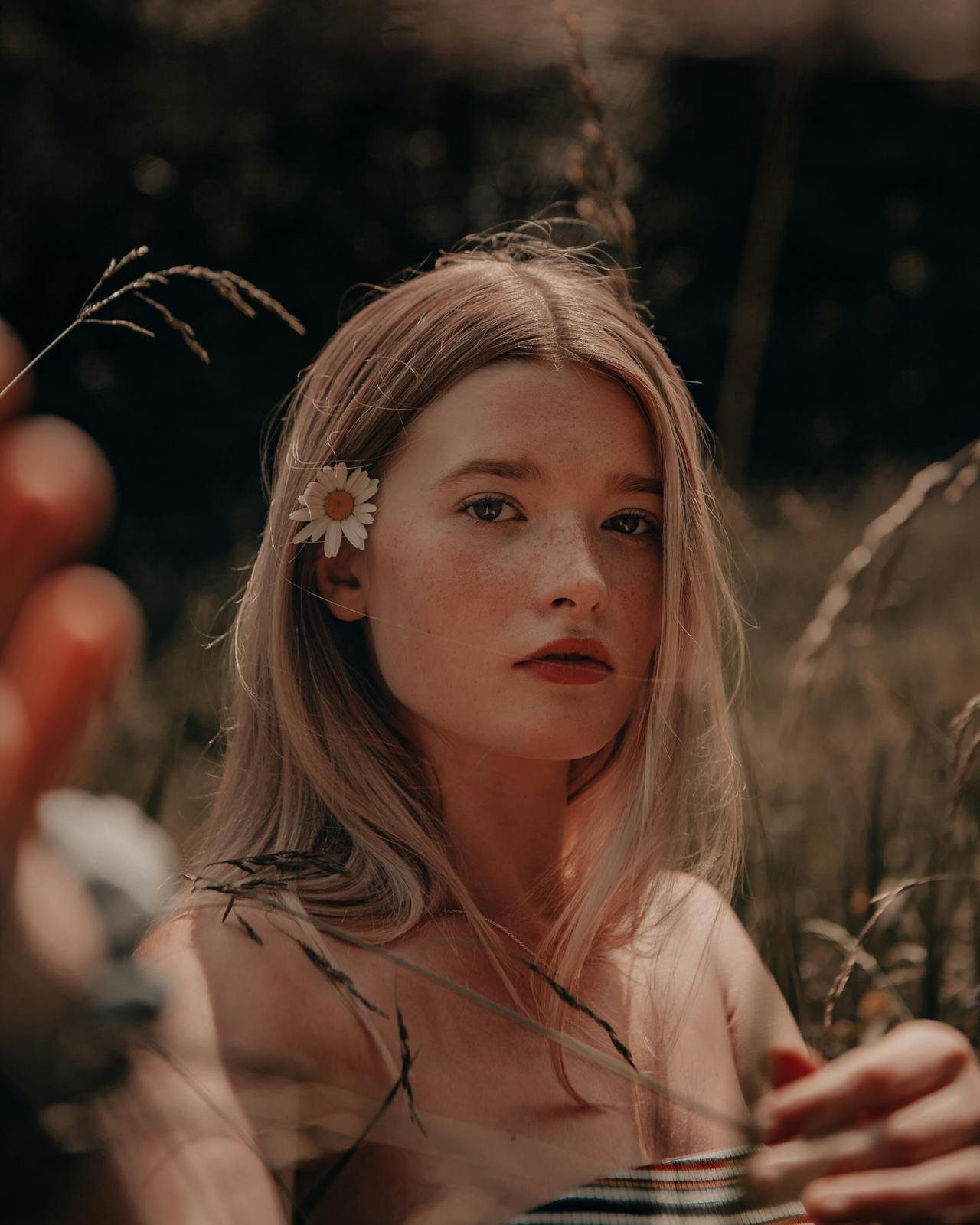
  • 打造自然風花束的花藝指南

    自然風花束(Wild-Inspired Bouquet)展現大自然隨性優雅的美感,彷彿是剛從野外原野或森林中採集而來。這類花束以不拘束的設計和豐富的層次感聞名,無論是用於婚禮、家居裝飾或作為禮物,都能營造出輕鬆自在的氛圍。本指南將介紹如何選擇合適的花材、花藝技巧以及設計要點,幫助您打造一款迷人的自然風花束。

    1. 自然風花束的特色

    鬆散有機的形狀 – 沒有過於刻意的對稱,讓花材自然流動。
    多層次與高低錯落 – 結合不同質感與高度的花材。
    自然採集感 – 看起來像是從花園或野地隨手摘取的花束。
    空氣感與不規則性 – 保持透氣感,避免過於緊密堆疊。
    柔和的色彩過渡 – 讓色彩和諧地交融,而非鮮明對比。

    2. 挑選適合的花材與葉材

    焦點花(主花)

    這些花材是花束的主體,提供主要形狀與色彩。
    🌿 玫瑰(花園玫瑰、大衛奧斯汀玫瑰、噴玫瑰)
    🌿 牡丹
    🌿 大理花
    🌿 毛茛
    🌿 向日葵(適合鄉村風格)

    襯花(輔助花材)

    增添豐富度,使花束更有層次感。
    🌾 桔梗
    🌾 大波斯菊
    🌾 松蟲草
    🌾 瓊花(Queen Anne’s Lace)
    🌾 星辰花(Astrantia)

    野生風與特殊質感花材

    營造自然、不經修飾的野外氛圍。
    🍂 洋薊(Eryngium)
    🍂 種莢(黑種草、罌粟莢)
    🍂 漿果類(超級果、接骨木果)
    🍂 蠟花

    垂墜與空氣感花材

    增加動感與輕盈感,讓花束更靈動。
    🌿 香豌豆花
    🌿 茉莉藤
    🌿 垂穗莧
    🌿 鐵線蓮

    綠葉與葉材

    選擇較為自然、輕盈的葉材,營造野生植物的層次感。
    🍃 尤加利(種子尤加利、銀葉尤加利、小葉尤加利)
    🍃 迷你葉(Ruscus)
    🍃 蕨類
    🍃 橄欖葉
    🍃 斯米拉克斯藤(Smilax)

    3. 配色靈感

    🌸 柔美浪漫風: 淡粉色、象牙白、裸粉、淺綠色
    🌾 大地鄉村風: 深橙色、赤陶色、芥末黃、鼠尾草綠
    🌿 神秘復古風: 酒紅色、深紫色、墨綠色、灰綠色
    🌼 活潑田園風: 黃色、薰衣草紫、珊瑚橘、靛藍

    4. 自然風花束的花藝技巧

    步驟 1:準備花材

    • 去除位於束口下方的葉片,以防腐爛。

    • 保留部分彎曲的莖,使花材呈現自然垂墜感。

    步驟 2:運用螺旋手綁技巧

    • 以一朵焦點花為中心,依序斜向交錯加入其他花材,每添加幾朵花就旋轉花束,使層次更豐富。

    • 保持花材間的透氣感,避免堆疊得過於緊密。

    步驟 3:運用不同質感與層次

    • 先放入主要花材,然後加入小型襯花,最後用細緻的藤蔓與綠葉點綴。

    • 調整不同高度,使花束看起來像是隨手採集而成。

    步驟 4:鬆散綁束,營造自然感

    • 使用麻繩、絲帶或棉線輕輕綁住花束,使其保持放鬆、不過於束縛的狀態。

    • 留長一些花莖,使整體更加隨性、慵懶。

    5. 花束的擺放與包裝技巧

    作為禮物花束: 可用牛皮紙、亞麻布或棉紙包裝,展現自然風格。
    婚禮花束: 選擇絲帶或天鵝絨綁帶,讓綁束處增添質感。
    瓶插設計: 選擇古董風陶瓷瓶、玻璃瓶或復古水壺作為花器,更能突顯自然感。

    自然風花束展現大自然純粹的美感,以自由、不拘束的設計帶來輕鬆與優雅的氛圍。透過選擇不同質感的花材、掌握層次感與流動感,您可以輕鬆打造一款彷彿剛從野地摘採而來的美麗花束。讓創意隨興發揮,感受大自然的野性浪漫!🌿💐

  • A Floristry Guide to Achieving a Wild-Inspired Flower Bouquet

    Wild-inspired flower bouquets embrace the beauty of nature’s untamed elegance. These arrangements capture an organic, free-flowing aesthetic, as if the flowers were freshly gathered from a meadow or woodland. Whether for weddings, home décor, or gifts, a wild bouquet exudes effortless charm. This guide will take you through the key elements, flower choices, techniques, and styling tips for creating a beautifully unstructured floral arrangement.

    1. Key Characteristics of a Wild-Inspired Bouquet

    A wild bouquet stands out for its:
    Loose, organic shape – No rigid symmetry, allowing for natural movement.
    Mix of textures and heights – Blending delicate and bold elements.
    Seasonal and foraged feel – Using flowers and foliage that look naturally gathered.
    Airiness and asymmetry – Emphasizing negative space and irregular form.
    Soft color transitions – A harmonious yet natural mix of shades.

    2. Choosing the Right Flowers and Greenery

    A mix of textures, forms, and flowing stems is essential for achieving an effortless, wild-inspired look.

    Focal Flowers (Statement Blooms)

    These flowers are the stars of the bouquet, providing shape and color.
    🌿 Roses (garden, David Austin, spray roses)
    🌿 Peonies
    🌿 Dahlias
    🌿 Ranunculus
    🌿 Sunflowers (for a rustic touch)

    Supporting & Filler Flowers

    These add volume and movement to the bouquet.
    🌾 Lisianthus
    🌾 Cosmos
    🌾 Scabiosa
    🌾 Queen Anne’s Lace
    🌾 Astrantia

    Wild & Textured Elements

    These bring a natural, foraged feel.
    🍂 Thistles (Eryngium)
    🍂 Seed pods (Nigella, poppy pods)
    🍂 Berries (Hypericum, viburnum berries)
    🍂 Waxflower

    Trailing & Whimsical Flowers

    For movement and an airy effect.
    🌿 Sweet peas
    🌿 Jasmine vines
    🌿 Amaranthus (hanging variety)
    🌿 Clematis

    Lush Greenery & Foliage

    Choose loose, wispy greenery to add depth.
    🍃 Eucalyptus (seeded, silver dollar, baby blue)
    🍃 Ruscus
    🍃 Ferns
    🍃 Olive branches
    🍃 Smilax vines

    3. Color Palette Inspiration

    🌸 Romantic & Soft: Blush, ivory, dusty pink, soft greens
    🌾 Earthy & Rustic: Deep oranges, terracotta, mustard, brown, sage green
    🌿 Moody & Dramatic: Burgundy, plum, deep purple, muted greens
    🌼 Bright & Cheerful: Wildflower hues like yellow, lavender, coral, periwinkle

    4. Floristry Techniques for a Wild Bouquet

    Step 1: Prepare Your Stems

    • Remove leaves from stems that will sit below the bouquet’s tying point.

    • Keep some natural bends in the stems for a relaxed, unstructured feel.

    Step 2: Use the Spiral Technique

    • Start with a focal flower, and add flowers and foliage at an angle, rotating the bouquet as you build.

    • Maintain an airy, asymmetrical shape—avoid making it too compact.

    Step 3: Layer with Texture & Movement

    • Add wispy flowers and trailing greenery last to create flow.

    • Position blooms at varying heights for a natural, just-picked effect.

    Step 4: Secure with a Loose Tie

    • Use twine, silk ribbon, or raffia for a relaxed, rustic finish.

    • Keep the stems long for a natural, gathered look.

    5. Styling & Presentation Tips

    For Bouquets: Wrap in kraft paper or natural linen for a rustic presentation.
    For Wedding Bouquets: Add silk or velvet ribbon with flowing tails.
    For Vase Arrangements: Use a vintage jug or ceramic vase for an effortless display.

    A wild-inspired bouquet celebrates the untamed beauty of nature. By embracing loose shapes, varied textures, and soft movement, you can craft a bouquet that feels effortlessly elegant and naturally stunning. Let your creativity flow and allow each arrangement to tell a story of the wild, romantic, and organic. 🌿💐

  • 花藝植物指南

    Floristry中的植物(Botanicals)包括各種花卉、綠葉、枝條及天然元素,這些材料構成了美麗的花藝作品。無論是花束、宴會裝飾,還是居家擺設,了解各類植物的特性與應用,對於花藝師和愛好者而言都是至關重要的。本指南將介紹植物的種類、用途、設計原則及基本花藝技術。

    1. 認識花藝中的植物

    花藝植物包含以下幾種類型:

    • 花卉 – 作品的焦點,提供色彩、香氣與象徵意義。

    • 綠葉(葉材) – 增加質感、層次感與結構支撐。

    • 枝條與藤蔓 – 增添高度與自然氛圍。

    • 乾燥植物 – 例如芒草、尤加利葉、永生花,具有長久保存的特點。

    • 果實與漿果 – 提供獨特色彩與對比質感。

    • 香草與芳香植物 – 薰衣草、迷迭香、薄荷等,增添香氣與寓意。

    2. 花卉種類與應用

    焦點花(主花)

    這些花朵色彩鮮豔、花形較大,吸引視覺焦點。

    • 代表花卉: 玫瑰、牡丹、百合、向日葵、蘭花

    • 適用場合: 婚禮花束、宴會桌花

    配角花(次花)

    輔助焦點花,使整體佈局更均衡。

    • 代表花卉: 小玫瑰、桔梗、紫羅蘭、毛茛

    • 適用場合: 混合花束、瀑布式花藝

    填充花(襯花)

    增加豐富感,使作品更具層次感。

    • 代表花卉: 滿天星、情人草、蠟花、紫菀

    • 適用場合: 背景花材,讓主花更突出

    垂墜與瀑布花

    柔和的線條讓花藝更具流動感與浪漫氣息。

    • 代表花卉: 長春藤、茉莉、垂穗莧、紫藤

    • 適用場合: 垂掛裝飾、新娘捧花

    3. 綠葉與花藝設計中的運用

    葉材與綠植在花藝中扮演重要角色,它們能襯托主花,使作品更具層次感與自然感。

    常見葉材種類

    • 結構型綠葉: 尤加利葉、尤加利果、蕨類 – 用來支撐整體框架。

    • 垂墜型綠葉: 長春藤、薜荔、茉莉葉 – 提供流動美感。

    • 特殊質感葉材: 銀葉菊、羊耳朵葉 – 柔和色調與細膩質感。

    葉材的使用技巧

    • 作為基礎框架: 先鋪葉材,確保結構穩固。

    • 強調花束邊緣: 以葉材勾勒輪廓,提升層次感。

    • 增強深度與對比: 搭配不同色調的葉材,使作品更立體。

    4. 花藝設計的基本概念

    基礎花藝技巧

    • 螺旋式手綁技術: 將花莖交叉排列,形成均衡花束。

    • 層次與質感: 結合不同形態的花材,使作品更生動。

    • 分組與聚集: 以奇數組合花朵,使畫面更自然。

    • 對稱與不對稱: 對稱設計經典優雅,不對稱設計則更加自然隨興。

    流行花藝風格

    1. 經典花束: 圓形、對稱,傳統且優雅。

    2. 自然野生風: 鬆散、層次豐富,模仿大自然生長形態。

    3. 極簡風格: 注重線條與留白,營造現代感。

    4. 乾燥與永生花: 帶有鄉村風格,色調柔和耐久保存。

    5. 花藝工具與植物養護

    花藝基本工具

    • 花剪與修枝剪 – 修剪花莖,確保切口乾淨。

    • 花泥與花藝鐵絲 – 提供固定與支撐結構。

    • 花卉營養液 – 延長鮮花壽命。

    • 花瓶與膠帶 – 用於插花設計與固定支架。

    植物的養護技巧

    • 鮮花: 修剪斜口、去除水下葉片、每天更換乾淨水源。

    • 乾燥花: 避免潮濕與陽光直射,以防變色或發霉。

    • 綠葉: 定期噴霧,保持葉片水分與光澤。

    植物是花藝創作的靈魂,不同種類的花卉與綠葉能創造無限可能。透過理解花材特性、設計技巧與養護方法,不僅能讓花藝作品更美麗,也能延長花朵的生命。無論是鮮花、乾燥花還是綠植,掌握這些要點將使您的花藝創作更具魅力與專業感。

  • A Floristry Guide to Botanicals

    Botanicals encompass a wide range of plants, flowers, foliage, and natural elements that florists use to create stunning arrangements. Whether for bouquets, event decor, or home styling, understanding how to work with different botanicals is essential for any florist or flower enthusiast. This HK Floristry guide covers the types of botanicals, their uses, design principles, and essential floristry techniques.

    1. Understanding Botanicals in Floristry

    Botanicals in floristry include:

    • Flowers – The focal point of most arrangements, offering color, fragrance, and symbolism.

    • Foliage (Greenery) – Adds texture, depth, and structure to bouquets and arrangements.

    • Branches & Twigs – Provide height, form, and a natural aesthetic.

    • Dried Botanicals – Everlasting elements like pampas grass, eucalyptus, and preserved flowers.

    • Fruits & Berries – Bring unique colors and textures, adding interest and contrast.

    • Herbs & Aromatics – Lavender, rosemary, and mint add fragrance and symbolic meaning.

    2. Types of Flowers and Their Uses

    Focal Flowers

    These are the centerpiece of arrangements, drawing attention with bold colors and large blooms.

    • Examples: Roses, peonies, lilies, sunflowers, orchids

    • Use: Wedding bouquets, centerpiece arrangements

    Supporting Flowers

    These complement focal flowers, adding balance and structure.

    • Examples: Spray roses, lisianthus, alstroemeria, ranunculus

    • Use: Mixed bouquets, cascading floral arrangements

    Filler Flowers

    These add volume and texture to an arrangement, creating a lush appearance.

    • Examples: Baby’s breath, statice, waxflower, aster

    • Use: Background flowers in floral designs

    Trailing & Cascading Flowers

    These create movement and flow, perfect for romantic designs.

    • Examples: Ivy, jasmine, amaranthus, wisteria

    • Use: Hanging installations, bridal bouquets

    3. Foliage and Greenery in Floral Design

    Greenery is just as important as flowers in floristry. It provides a natural backdrop, frames the flowers, and enhances texture.

    Types of Greenery

    • Structural Greens: Eucalyptus, ruscus, ferns – Used for framing.

    • Trailing Greens: Ivy, smilax, jasmine – Adds cascading elegance.

    • Textured Greens: Dusty miller, lamb’s ear – Soft, velvety contrast.

    How to Use Foliage in Arrangements

    • As a Base Layer: Place greenery first to create structure.

    • To Frame the Bouquet: Use leaves and branches to outline the design.

    • To Add Depth: Mix different shades of green for a dimensional look.

    4. Designing Floral Arrangements

    Basic Floristry Techniques

    • Spiral Bouquet Technique: Stems are arranged in a spiral pattern to create a balanced bouquet.

    • Layering & Texturing: Combine flowers with different petal structures and leaf types for depth.

    • Grouping & Clustering: Group flowers in odd numbers to create a natural look.

    • Asymmetry vs. Symmetry: Asymmetrical designs feel organic, while symmetrical ones are classic and formal.

    Popular Floral Design Styles

    1. Classic Bouquets: Round, symmetrical, traditional floral arrangements.

    2. Wild & Organic: Loose, naturalistic arrangements with flowing stems.

    3. Minimalist: Simple, structured designs with negative space.

    4. Dried & Preserved Flowers: Rustic, long-lasting arrangements with muted tones.

    5. Essential Tools & Care Tips

    Floristry Tools

    • Floral Scissors & Snips – For clean cutting of stems.

    • Floral Foam & Wire – Provides support for structured arrangements.

    • Flower Food & Preservatives – Extends the lifespan of fresh blooms.

    • Vases & Floral Tape – Essential for styling and stability.

    Caring for Botanicals

    • Fresh Flowers: Trim stems at an angle, remove leaves below the waterline, and change water daily.

    • Dried Flowers: Keep in a cool, dry place away from direct sunlight.

    • Greenery: Mist regularly to maintain freshness.

    Botanicals are the foundation of floristry, offering endless possibilities for creative expression. By understanding different flowers, greenery, and design techniques, florists can craft beautiful arrangements that elevate any space or occasion. Whether working with fresh, dried, or preserved botanicals, mastering their use will enhance any floral design.